
Let’s talk about the chapter of life that’s trending everywhere—from our group chats to our Pinterest boards—but is still shrouded in so much mystery. We’re diving into menopause, and specifically, the powerful impact of menopause on mental health. It’s more than hot flashes; it’s a profound mind-body shift that every woman will experience, yet we’re rarely given the full playbook.
New research is finally pulling back the curtain, revealing how hormonal changes directly influence our anxiety levels, mood stability, and overall emotional well-being. This isn’t just a “quiet” transition; it’s a conversation about empowerment, holistic care, and rewriting the narrative. Let’s explore what’s really going on and how we can navigate this change with confidence and community.
Why Your Brain Feels Different During Menopause
If you’ve felt like your emotions are on a rollercoaster you didn’t line up for, you’re not being dramatic—it’s science. The groundbreaking research by Crockett et al. confirms that the decline in estrogen and progesterone during menopause directly affects the neurotransmitters that regulate our mood. Think of estrogen as a key mood-stabilizing signal; when its levels dip, it can leave us feeling more vulnerable to anxiety and depression.
This isn’t just “in your head.” It’s a real, physiological shift that explains why you might feel unlike yourself, even when everything in your life seems fine on paper. Understanding this biological link is the first step in reclaiming control over your mental wellness during this transition.
The Lifestyle Factors Amplifying Your Stress
Hormones are a huge piece of the puzzle, but they don’t tell the whole story. The study highlights that lifestyle factors like chronic stress, sleep disturbances, and major life changes can turn a natural transition into a perfect storm for your mental health. Are you in your peak career years while also juggling caregiving? You’re not alone.
Many women navigate menopause alongside career pivots, parenting teens, or caring for aging parents. This mental load, combined with sleepless nights, can significantly compound feelings of anxiety. It’s why a one-size-fits-all approach doesn’t work, and why managing mental health during menopause requires a holistic, multifaceted strategy.
How Societal Stigma Affects Your Inner World
Beyond biology and busy schedules, there’s a powerful cultural force at play: stigma. How often do we see menopause portrayed as anything other than a punchline or a secret to be hidden? These negative societal attitudes toward aging and femininity can create a deep sense of psychological burden, making you feel isolated or “less than.”
Reframing this narrative is a form of self-care. When we start seeing menopause as a natural, powerful rite of passage—much like the viral “glow up” trends we celebrate—we can shed the shame and embrace this new chapter with curiosity and strength.
Your Game Plan for Mental Wellness in Menopause
So, what can you actually do? The research points to a powerful combination of medical, social, and lifestyle strategies. It’s about building your personal toolkit for resilience.
First, talk to your doctor. Hormone replacement therapy (HRT) can be a game-changer for some women experiencing significant psychological distress. Second, lean on your squad. Strong social support systems—from trusted friends to dedicated menopause support groups—provide a crucial emotional buffer against feelings of isolation.
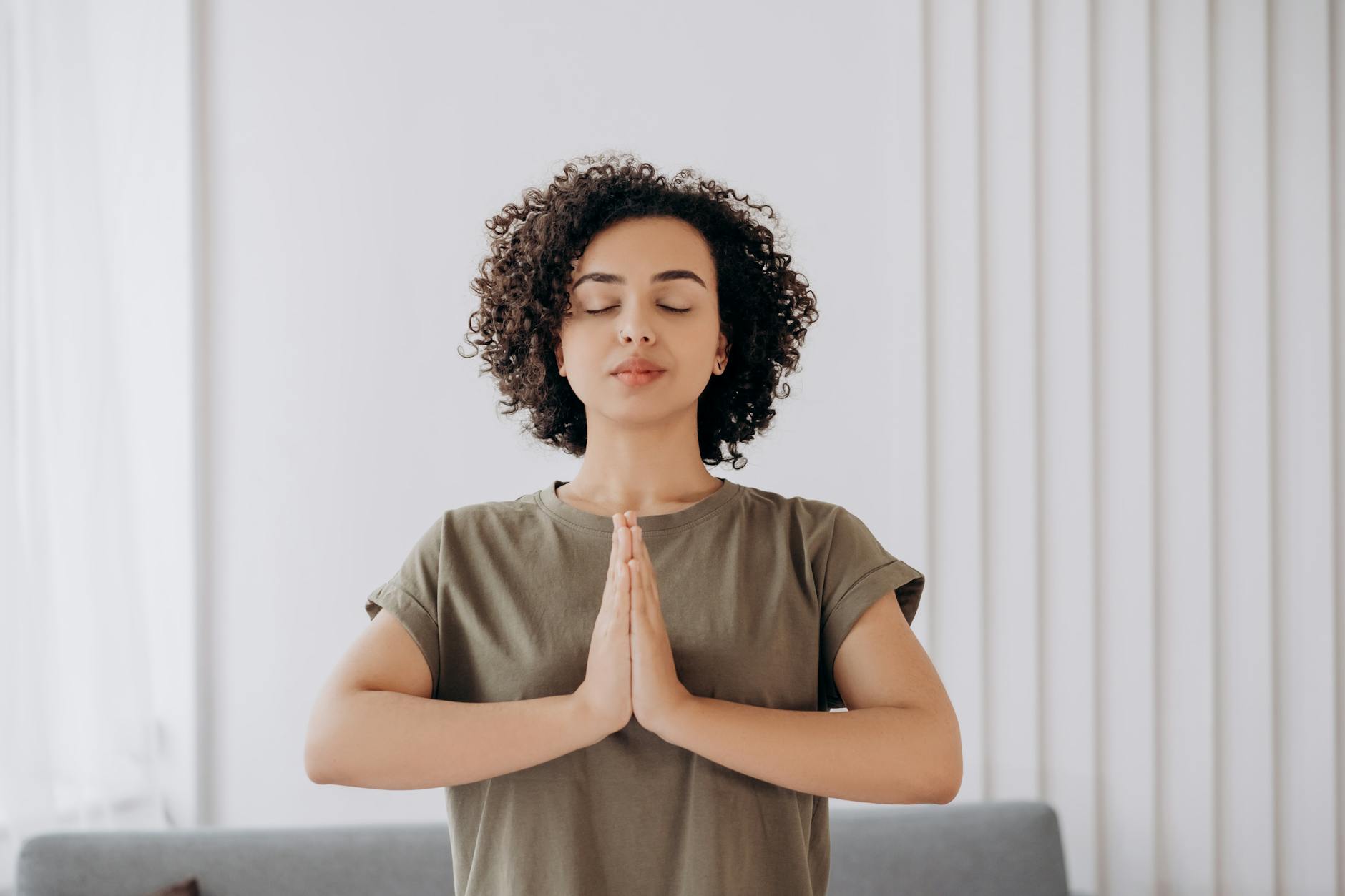
Finally, integrate holistic habits. Think of it as building your wellness routine. Mindfulness practices, regular movement you enjoy, and a nutrient-rich diet aren’t just buzzwords; they are active ways to support your brain chemistry and build emotional resilience from the ground up.
The TechMae Takeaway
Menopause isn’t an end; it’s an evolution. This research empowers us to move beyond just surviving this transition and to start thriving within it. By understanding the intricate dance between our hormones, our lifestyles, and our societal context, we can advocate for the compassionate, comprehensive care we deserve.
This is about more than managing symptoms—it’s about claiming a new era of self-awareness and well-defined strength. It’s a chance to listen to our bodies, honor our needs, and build a sisterhood that normalizes these conversations.
Ready to talk more about navigating life’s biggest transitions with clarity and support? Inside the TechMae app, we’re building a space for women to connect, share insights, and grow together. Come join the movement: Download the TechMae App and be part of what’s next.