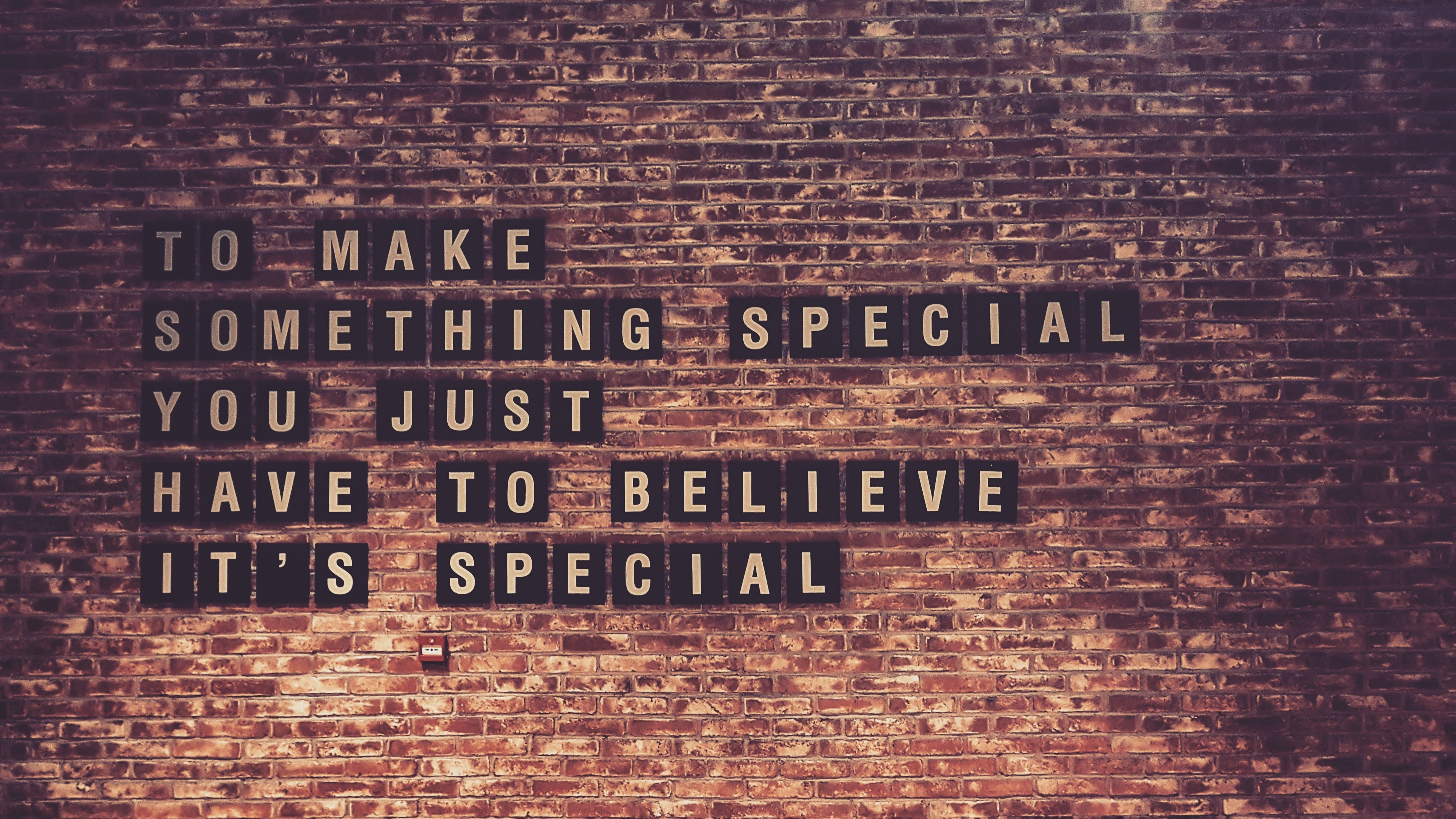

“The quality of your life is the quality of your friendships — but only if those friendships don’t cost you yourself.”
Sis, let’s be real for a second. Friendship is one of those things nobody teaches you how to actually do well. You just kind of figure it out by trial and error — and a lot of error. You’ve probably had that one friend who drained you, that group chat that stressed you out, or that moment where you realized you were giving way more than you were getting. And yet, you still showed up. Because that’s what good friends do, right?
But here’s the thing nobody tells you: being a good friend doesn’t mean being a doormat. It doesn’t mean saying yes to everything, dropping your boundaries, or shrinking yourself so someone else can feel big. Real friendship — the kind that actually lasts — is about showing up without disappearing. And that’s exactly what we’re going to talk about today.
Why Do We Keep Losing Ourselves in Friendship?
Think about the last time you had a falling out with a friend. Maybe it was over something small — a canceled plan, a misread text, a forgotten birthday. Or maybe it was bigger — a betrayal, a pattern of one-sided effort, a friendship that just felt like a job. Either way, you probably walked away asking yourself: “What did I do wrong?”
Here’s the uncomfortable truth: you probably didn’t do anything wrong. But you might have been doing too much right. Women are socialized from a young age to be the caretakers, the peacekeepers, the ones who smooth things over. And that bleeds into our friendships. We over-give. We over-apologize. We over-explain. We show up for everyone else and hope they’ll show up for us — and when they don’t, we wonder why we feel invisible.
A 2022 study from the American Psychological Association found that women who describe themselves as “people-pleasers” in their friendships report 40% higher rates of emotional exhaustion and burnout. Let that sink in. Forty percent. That’s almost half of us running on empty because we’re too afraid to set a boundary.
💡 Quick Tip
Next time a friend asks for something you don’t have the energy for, try this script: “I love you and I want to support you, but I don’t have the bandwidth for that right now. Can we figure out another way?” That’s not mean. That’s honest.
The Friendship Check-In You’ve Never Done
Here’s something wild: most of us spend more time checking our credit score than checking the health of our friendships. And yet, your friendships are one of the biggest predictors of your happiness. Harvard’s famous 85-year longitudinal study on adult development found that the quality of your relationships — not your money, not your career, not your GPA — is the single biggest factor in whether you’re happy and healthy at 80. That’s not a vibe. That’s data.
So let’s do a quick audit. Ask yourself these three questions about your closest friendship right now:
1. Do I feel safe being myself around this person, or do I edit myself before I speak?
2. Does this friendship feel balanced, or am I always the one reaching out, planning, and apologizing?
3. After I spend time with them, do I feel energized or drained?
If you answered “drained” to number three, listen to that. Your body is telling you something your brain is trying to ignore. And here’s the thing — you don’t have to burn the friendship down. You just have to adjust how you show up in it.
💊 What Works: The Gifts of Imperfection by Brené Brown – This book literally rewired how I show up in every friendship. It’s about leaning into who you actually are instead of who you think everyone needs you to be. Every woman in her 20s should read it at least once.
What Actually Works: The Friendship Formula
Okay, so we’ve identified the problem. Now let’s talk solutions. Because I’m not here to just make you feel seen — I’m here to give you something you can actually use. Here’s the framework I use with my own friendships, and it’s changed everything.
Step 1: Define Your Friendship Non-Negotiables. Before you can be a good friend to someone else, you have to know what you need. Write down three things you absolutely require in a friendship. For me, it’s: honesty, reciprocity, and the ability to laugh at ourselves. For you, it might be: reliability, emotional depth, and independence. Whatever it is, name it. If a friendship consistently violates those non-negotiables, you have permission to pull back.
Step 2: Stop Over-Functioning. Over-functioning is when you do the emotional labor for everyone else. You’re the one who remembers birthdays, plans the hangouts, checks in when someone’s quiet, and smooths over conflict. And then you wonder why you’re exhausted. Here’s your permission slip: stop. Let your friends show up for you. If they don’t, you have your answer about where you stand.
Step 3: Learn the Art of the “Soft No.” You don’t have to say yes to every invitation, every vent session, every favor. A soft no sounds like: “I can’t do that today, but I’m here for you in spirit.” Or: “I love you, but I need to take a rain check.” Or: “That’s not something I can help with right now, but I believe in you to figure it out.” The soft no protects your energy without burning the bridge.
70% of women say they’ve stayed in a friendship that was draining them because they felt guilty leaving. You are allowed to outgrow people.
The Truth Nobody Tells You About Friendship
Here’s the part that hurts to hear: not every friendship is meant to last forever. And that’s not a failure. That’s life. You are not the same person you were at 16, and your friends aren’t either. Some friendships are for a season — the roommate who got you through sophomore year, the coworker who made your first job bearable, the girl who sat next to you in that one class. Those friendships matter. They just might not be forever friendships.
And that’s okay. The goal isn’t to collect as many friends as possible. The goal is to have a few deep, real, reciprocal friendships where you can be fully yourself. Quality over quantity is not a cliché — it’s a survival strategy.
I remember when I was 22, I had this friendship that I was holding onto with white knuckles. We’d been close since high school, but by the time we were in college, we had nothing in common anymore. Every conversation felt like a chore. Every hangout left me feeling worse. But I kept showing up because I thought that’s what loyalty meant. It took me two years and a therapist to realize that loyalty doesn’t mean staying in a friendship that’s making you small. Sometimes loyalty means loving someone enough to let them go — or at least letting the friendship evolve into something lighter.
“You don’t have to set yourself on fire to keep other people warm. Real friendship doesn’t ask you to burn.”
How to Be a Better Friend Without Being a Pushover
So let’s get practical. How do you actually show up better in your friendships without losing yourself in the process? Here’s what I’ve learned from years of getting it wrong and finally getting it right.
1. Listen like you mean it. Most people listen to respond. They’re already thinking about what they’re going to say next while you’re still talking. Real listening — the kind that deepens friendship — is listening to understand. Put your phone down. Make eye contact. Ask follow-up questions. When your friend is venting, don’t jump in with solutions unless she asks. Sometimes she just needs to be heard. A 2023 study from the University of Kansas found that people who feel “truly heard” by their friends report 60% higher relationship satisfaction. That’s huge.
2. Celebrate her wins without comparing them to yours. This is harder than it sounds. When your best friend gets the internship you wanted, or the boyfriend you’ve been waiting for, or the grade you studied for, it’s easy to feel a twinge of jealousy. That’s human. But here’s the thing — her success is not your failure. A real friendship means being genuinely happy for her, even when you’re struggling. Practice saying “I’m so proud of you” and meaning it. That muscle gets stronger the more you use it.
3. Apologize when you mess up — but don’t over-apologize for existing. There’s a difference between “I’m sorry I hurt you” and “I’m sorry for being too much.” The first is accountability. The second is self-abandonment. If you made a mistake, own it, repair it, and move on. But don’t apologize for having needs, boundaries, or feelings. A friendship that can’t handle your honesty isn’t a friendship worth keeping.
4. Show up consistently, not perfectly. You don’t have to be the friend who throws elaborate birthday parties or remembers every detail of her life. You just have to be the friend who shows up when it counts. A text checking in. A coffee date after a hard week. A “thinking of you” message with no agenda. Consistency builds trust. Perfectionism builds walls.
Why This Works:
✅ You stop over-giving and start showing up from a place of fullness, not emptiness.
✅ You attract friends who match your energy instead of draining it.
✅ You learn that setting boundaries is not mean — it’s the most loving thing you can do for any friendship.
The Friendship Boundaries That Will Save Your Sanity
Let’s talk boundaries because honestly, nobody teaches us how to set them. We’re told to be “nice” and “selfless” and “there for our friends no matter what.” But that’s a recipe for resentment, not friendship. Here are three boundaries that will change your life:
Boundary 1: The 24-Hour Rule. If a friend texts you something stressful or dramatic, you are allowed to wait 24 hours before responding. You don’t have to drop everything to manage her emotions. Your nervous system matters too. Respond when you’re regulated, not when you’re reactive.
Boundary 2: The Energy Check. Before you agree to a hangout, a call, or a favor, check your energy. Are you saying yes because you genuinely want to, or because you feel guilty? If it’s guilt, pause. Your yes should come from desire, not obligation.
Boundary 3: The No-Phone Zone. When you’re with a friend, be with her. Put your phone face down. Don’t scroll while she’s talking. This one simple habit can transform the depth of your friendship. It says: “You matter. I’m here.”
| The Old Way (Burnout) | The New Way (Balance) |
|---|---|
| ❌ Saying yes to every request | ✅ Checking your capacity first |
| ❌ Over-apologizing for having needs | ✅ Stating your needs clearly |
| ❌ Staying in draining friendships out of guilt | ✅ Letting friendships evolve naturally |
| ❌ Being the “therapist friend” 24/7 | ✅ Supporting without absorbing |
This is the kind of stuff women talk about inside TechMae every single day. No judgment, just real ones keeping it real. Because let’s be honest — sometimes you need a group of women who get it without you having to explain yourself. Women who will tell you when you’re over-giving and when you’re under-receiving. Women who will celebrate your wins and sit with you in your losses.
Related: This post is a must-read for women on their journey to understanding themselves better — because the better you know yourself, the better you show up in every friendship.
Start Here: One Thing You Can Do Today
Pick one friendship in your life that feels off. Not the one that’s obviously toxic — the one that’s just kind of… meh. The one where you’re not sure if you’re overthinking or if something is actually wrong. Now, do this one thing: send a text that says, “Hey, I’ve been thinking about us and I just want to check in. How are we doing?”
Scary, right? Yeah. But here’s the thing — the best friendships can handle that question. The ones that can’t? They were never going to last anyway. You deserve friendships where you don’t have to walk on eggshells. You deserve to be known, loved, and seen — without having to shrink.
And if that friendship doesn’t survive the question? That’s not a loss. That’s clarity. And clarity is the foundation of every great friendship you’ll ever have.
You might also love this article — one of our most shared. It’s about finding your people when it feels like you don’t have any.
This Is Your Sign to Stop Doing It Alone
Women inside TechMae have been exactly where you are — figuring out friendships, setting boundaries, and learning to show up without disappearing. Come find your people. We’ve been waiting for you.