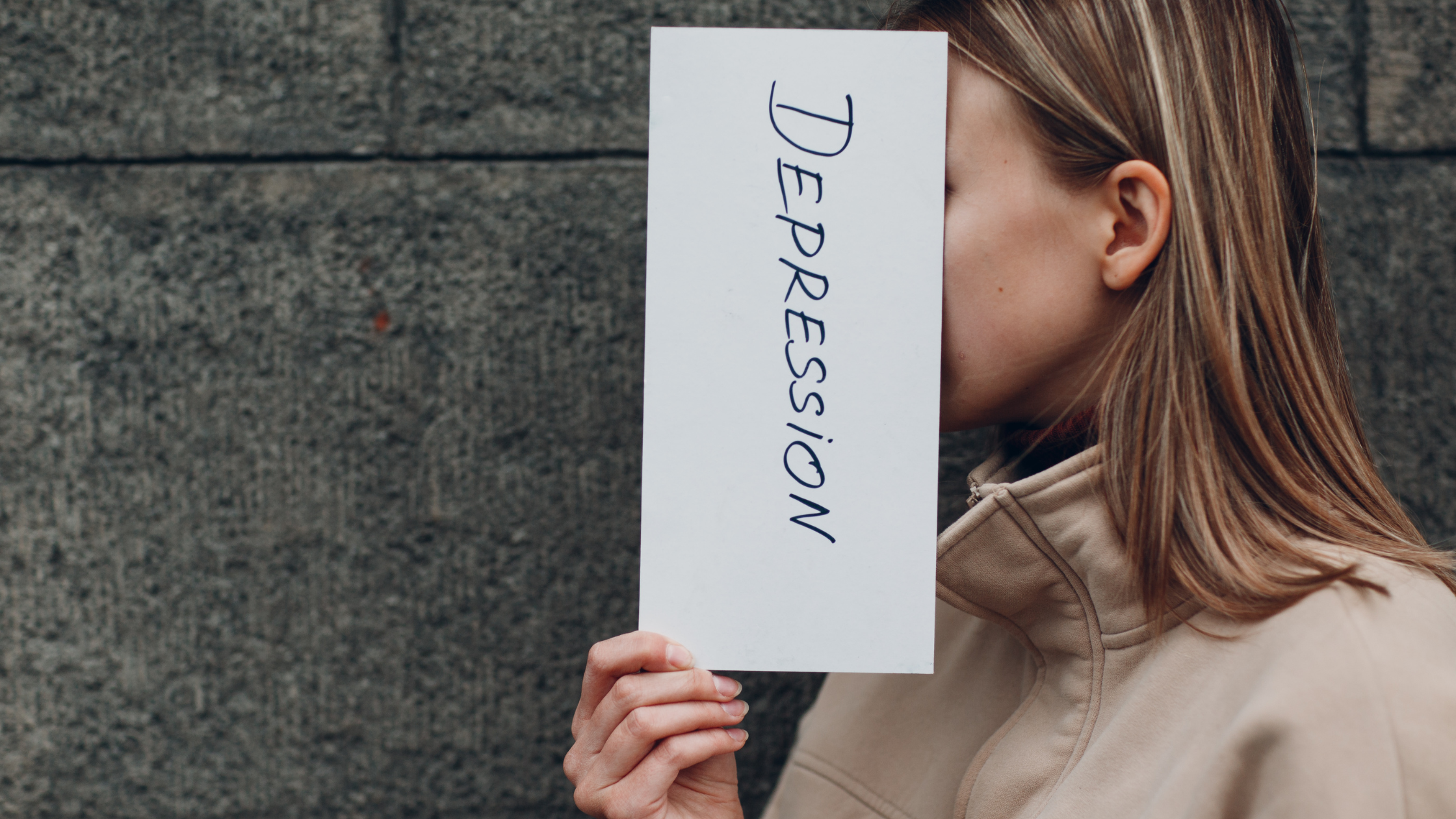

“Every time you apologize for existing in an email, you teach people that your time and needs are optional.”
Sis, I need you to hear me on this one. I was scrolling through my inbox last week and saw an email from a 22-year-old intern that said: “Sorry for the late reply, I know you’re super busy, but if you have a second…” And I almost cried. Not because it was bad — because it was so painfully familiar.
Your communication style in professional settings is literally shaping how people perceive your value before you even get a chance to prove yourself. And if you’re leading with “sorry” every time you open your mouth or hit send, you’re telling the world you’re an afterthought in your own life. Let’s fix that today.
I know you’re thinking, “But what if I actually am late? What if I need something and don’t want to be rude?” Girl, I hear you. But there’s a difference between being polite and shrinking yourself. And the data backs this up — women apologize more frequently than men in professional settings, and it costs us raises, respect, and opportunities. Let that sink in.
Why You Need to Stop Apologizing in Every Email
Here’s the thing nobody told you about professional communication: every “sorry” is a tiny surrender. When you say “Sorry for the confusion” instead of “Let me clarify,” you’re positioning yourself as the problem — even when you didn’t cause the confusion. When you say “Sorry to bother you” instead of “I have a quick question,” you’re telling the recipient that your needs are an inconvenience.
I did this for years. My first job out of college, I once apologized three times in a single email asking my boss for a deadline extension. Three times. And guess what? He didn’t think I was polite. He thought I was unsure of myself. He told me later, “I almost didn’t give you the extension because you sounded like you didn’t believe you deserved it.”
That moment changed everything. Your communication isn’t just words — it’s a signal to your brain and everyone around you about where you stand. When you constantly apologize, you train people to see you as less capable. And worse, you train yourself to believe it.
💡 Quick Tip
Before you hit send on any email, do a “sorry scan.” Hit Ctrl+F (or Command+F) and search for the word “sorry.” If it’s there, ask yourself: Did I actually do something wrong, or am I just uncomfortable taking up space? If it’s the second one, delete it and rewrite.
Let me break down the most common “sorry” traps I see young women fall into — because I guarantee you’ve sent at least one of these emails this month.
1. The “Sorry for the delay” email. You waited two days to respond because you were drowning in assignments, work, or life. Instead of apologizing, try: “Thanks for your patience — here’s what I’ve got.” See the difference? You’re acknowledging the wait without making it a character flaw.
2. The “Sorry to bother you” email. You need something from a professor, boss, or colleague. Instead of apologizing for existing, try: “Quick question for you when you have a moment.” You’re respecting their time without diminishing your needs.
3. The “Sorry if this is a stupid question” email. This one breaks my heart every time. You’re smart enough to know what you don’t know — that’s literally a strength. Try: “I want to make sure I understand this correctly — can you clarify X?” No apology needed for being thorough.
💊 What Works: “The Art of Saying No” by Damon Zahariades – This book literally rewired how I handle professional communication. It’s short, practical, and gives you scripts for exactly these situations. I keep it on my desk and still reference it.
The Real Cost of Over-Apologizing in Your Communication
Okay, let me hit you with some real talk that might sting a little. Research from the University of Waterloo found that women apologize more than men because we have a lower threshold for what we consider offensive behavior. Basically, we think we’ve done something wrong when we haven’t. And in professional communication, that translates to lost opportunities.
I saw this play out with my friend Maya. She was up for a promotion at a marketing firm. Her boss told her she was “too apologetic” in client emails. She lost the promotion to a guy who was objectively less qualified but never said sorry unless someone literally died. That’s not fair — but it’s real. And knowing that gives you power.
Your communication style is a tool. You can use it to build yourself up or tear yourself down. And I know you didn’t learn this in school because I sure didn’t. Nobody teaches you that “sorry” is a word that should be reserved for actual harm, not for existing in a professional space.
Women who eliminate unnecessary apologies from emails are perceived as 40% more confident by managers.
Yeah, that stat is wild, right? Let that sink in for a second. Just by changing one word in your vocabulary, you can shift how people see you. That’s not manipulation — that’s strategic communication. And it’s a skill you can build starting with your next email.
What Actually Works: Rewriting Your Communication Script
I’m not going to tell you to just “be more confident” because that’s useless advice. What I am going to give you is a literal script you can copy, paste, and modify. Because the fastest way to change your communication is to have the words ready before you need them.
Here are five common email situations and exactly what to say instead of apologizing:
Situation 1: You’re responding late.
❌ “Sorry for the late reply — I’ve been swamped.”
✅ “Thanks for your patience. Here’s my update on [topic].”
Situation 2: You need to ask a question.
❌ “Sorry to bother you, but I was wondering if you could help me with…”
✅ “Quick question on [topic] — when you have a moment, could you clarify [specific thing]?”
Situation 3: You made a small mistake.
❌ “I’m so sorry — I messed up the attachment. Here’s the correct one.”
✅ “Thanks for catching that. Here’s the correct file.”
Situation 4: You’re following up on something.
❌ “Sorry to be a pest, but I just wanted to check in on…”
✅ “Following up on my previous email about [topic]. Let me know if you need anything else from me.”
Situation 5: You’re declining a request.
❌ “I’m so sorry, but I can’t take this on right now.”
✅ “I’m not able to take this on at the moment, but here’s who might be able to help.”
Why This Works:
✅ You take ownership without self-deprecation — you’re in control of the narrative.
✅ You respect their time without diminishing your needs — it’s a balance, not a sacrifice.
✅ You sound like someone who belongs in the room — because you do.
The Truth Nobody Tells You About Professional Communication
Here’s the insider secret that took me years to learn: professional communication is not about being nice. It’s about being clear. When you over-apologize, you actually make your communication less clear because you’re burying the actual message under layers of self-doubt.
Think about it. If I email you and say, “Sorry, I know this is last minute, but if you have time, maybe we could talk about the project, no pressure though,” what’s the actual ask? Are we meeting or not? What do you need from me? The apology fog makes everything confusing.
But if I say, “I need 15 minutes to discuss the project timeline. Are you free tomorrow at 2 PM?” — that’s clear. That’s direct. That’s respectful of both our time. And that’s the kind of communication that gets results.
“Clarity is kindness in communication. When you stop apologizing, you stop making people guess what you actually need.”
I want you to think about the women you admire — the ones who walk into rooms and command attention. Do they lead with “sorry”? Probably not. And that’s not because they’re mean or cold. It’s because they understand that communication is a tool for connection, not a performance of worthiness.
I remember sitting in a meeting with a senior VP who was only 28 years old. She was the youngest person in the room by a decade. And when she needed to interrupt someone who was talking over her, she didn’t say “Sorry to cut you off.” She said, “I want to make sure we capture this point before we move on.” No apology. Just presence. I wrote that down and practiced it in the mirror for a week.
Here’s another thing nobody talks about: your communication style affects your mental health too. When you constantly apologize, you’re reinforcing a story in your head that you’re a burden. That you’re too much. That you need to shrink. And that story follows you home. It affects how you talk to your roommates, how you text your friends, how you handle conflict in relationships.
I had a roommate in college who apologized for everything. She’d apologize for breathing too loud, for taking a shower at 10 PM, for asking me to pass the salt. And it broke my heart because she was the most considerate person I knew. But her communication was screaming “I’m sorry for existing” and it took years of unlearning for her to stop.
| ❌ Apologetic Communication | ✅ Confident Communication |
|---|---|
| “Sorry for the delay” | “Thanks for your patience” |
| “Sorry to bother you” | “Quick question for you” |
| “Sorry if this is dumb” | “I want to understand this” |
| “Sorry, I messed up” | “Thanks for catching that” |
This is the kind of stuff women talk about inside TechMae every single day. No judgment, just real ones keeping it real. Because we all grew up being told to be “polite” and “nice” and “not too much” — and then we enter the professional world and realize those same rules are holding us back.
Related: This post is a must-read for women on their journey to owning their space.
Start Here: Your 7-Day Communication Reset
I want you to actually do something with this information, not just read it and forget it. So here’s your challenge: a 7-day communication reset. It’s simple, it’s actionable, and it will change how you show up in every email, text, and conversation.
Day 1: Do the “sorry scan” on every email before you send it. No exceptions. Catch yourself every time.
Day 2: Replace one “sorry” with a “thank you.” Instead of “sorry for the wait,” say “thanks for waiting.” Notice how different it feels.
Day 3: Practice out loud. Say your email scripts to yourself in the mirror or in the car. Your brain needs to hear your voice saying confident things.
Day 4: Send an email with zero apologies. Just one email. Watch what happens. (Spoiler: nobody will be mad.)
Day 5: Notice how other women communicate. Pay attention to who apologizes and who doesn’t. Learn from both.
Day 6: Have a conversation where you don’t apologize once. Not to your boss, not to your roommate, not to your partner. Just direct communication.
Day 7: Reflect. How did it feel? What changed? Write it down so you remember.
Why This Works:
✅ It’s incremental — you’re not trying to change everything overnight, just one word at a time.
✅ It builds awareness — most of us apologize on autopilot, and this forces you to notice.
✅ It rewires your brain — repetition creates new neural pathways. After 7 days, confident communication starts to feel natural.
You might also love this article — one of our most shared. It’s about the journey of unlearning all the stuff we were taught about being “good girls” and learning to be whole women instead.
Here’s the thing I want you to walk away with: you are not a burden. Your questions are not stupid. Your needs are not an inconvenience. And your communication should reflect that truth. Every time you catch yourself about to say “sorry” for something that isn’t your fault, pause. Take a breath. And choose a different word.
Because the world is going to try to make you small. Your emails, your texts, your voice — those are your weapons against that. Don’t surrender them with a four-letter word that means nothing and costs everything.
I believe in you. I’ve seen women transform their entire careers just by changing how they communicate. And you’re next. Now go write that email without apologizing for existing in it.
This Is Your Sign to Stop Doing It Alone
Women inside TechMae have been exactly where you are. We’re talking about this stuff every single day — the real conversations nobody else is having. Come find your people.
P.S. — If you’re reading this and thinking “I can’t just stop apologizing, it’s too hard,” I get it. Start with one email tomorrow. Just one. And see how it feels. That’s all I’m asking. One email without “sorry.” You’ve got this.