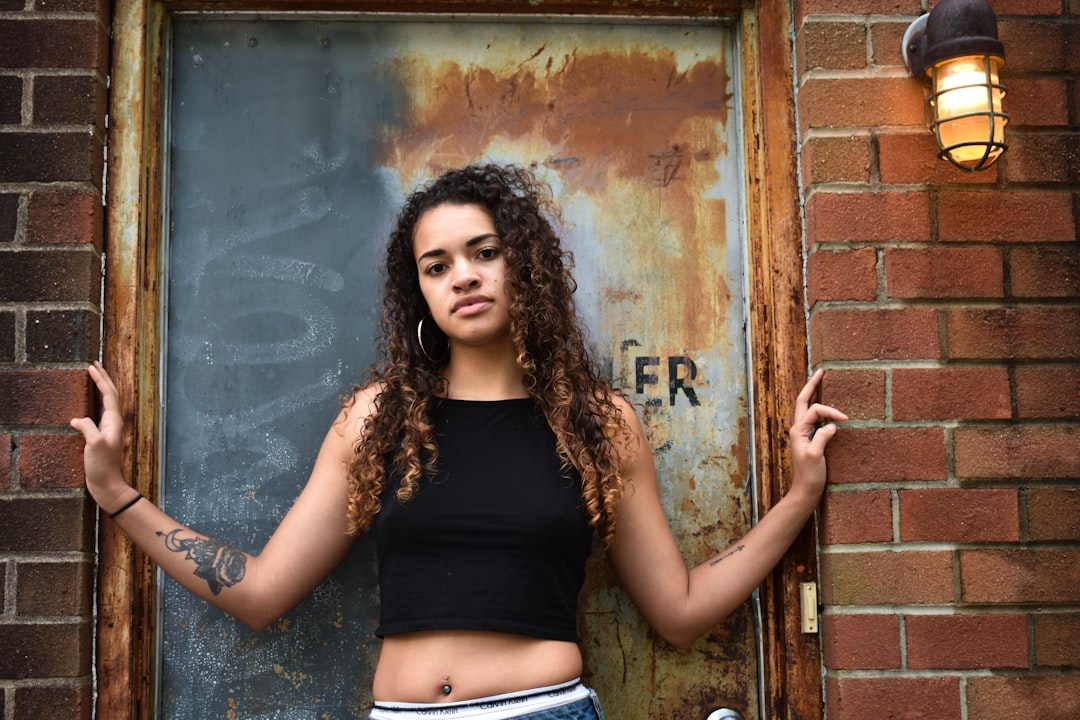

“The right therapist won’t make you feel fixed. They’ll make you feel seen. And that’s the whole point.”
Sis, let’s talk about something that feels way harder than it should be: finding a therapist who actually gets you. You’ve probably scrolled through Psychology Today profiles until your eyes glazed over, wondering if any of these people could possibly understand what it’s like to be you right now. Maybe you even had one bad experience with therapy that made you think “maybe this just isn’t for me.”
Here’s the thing nobody tells you: therapy is like dating. You’re not supposed to click with the first person you meet. In fact, research shows that it takes an average of three to four tries to find a therapist who’s the right fit. Yeah, that is wild right? But knowing that upfront changes everything. It means you’re not broken when it doesn’t work out. You’re just still looking.
And girl, I need you to hear this: the fact that you’re even considering therapy means you’re already ahead. You’re not behind. You’re not too much. You’re not broken. You’re just a human being trying to figure out how to carry everything you’re carrying, and that takes guts.
Why Finding a Therapist Feels Like a Full-Time Job
Let me guess what’s been going through your head. You open Google or your insurance portal, type in “therapist near me,” and suddenly you’re staring at a wall of names, faces, and acronyms you don’t understand. LCSW. LMFT. PhD. PsyD. What does any of this even mean? And how are you supposed to know which one is right for you?
The truth is, the system wasn’t built to make this easy. Between insurance networks that feel like mazes, waitlists that stretch months long, and the sheer emotional energy it takes to tell your story to a stranger, it’s no wonder so many of us give up before we even start. But here’s what I want you to know: you don’t have to figure this out alone.
💡 Quick Tip
Before you even start searching, grab a notebook or open a notes app and write down three things: what you want to work on (anxiety, family stuff, self-esteem, etc.), what kind of therapist you’d feel safe with (younger, older, woman, BIPOC, LGBTQ+ affirming), and your non-negotiables (virtual sessions, sliding scale, evening availability). This will save you hours of scrolling.
The Red Flags You’re Probably Ignoring
Okay, sis, I need to be real with you. There are some red flags in therapy that people don’t talk about enough, and I don’t want you to waste your time or your money on someone who isn’t going to help you grow. Here’s what to watch for:
First: If your therapist talks more than you do in the first session, that’s a problem. Therapy is supposed to be about you, not them. A good therapist asks questions, listens deeply, and guides you toward your own insights. They don’t lecture you or tell you what to do.
Second: If they dismiss your identity or experiences, run. Whether it’s your race, sexuality, gender, religion, or just the way you see the world, your therapist should never make you feel like you have to explain or defend who you are. You deserve someone who gets it without you having to teach them.
Third: If you leave a session feeling worse than when you walked in, week after week, that’s not “the work.” Yes, therapy can be uncomfortable sometimes, but it shouldn’t make you feel hopeless or more alone. You should feel a little lighter, a little clearer, or at least like someone is holding space for you.
| Red Flag Therapist | Green Flag Therapist |
|---|---|
| ❌ Talks about themselves constantly | ✅ Keeps the focus on you |
| ❌ Dismisses your identity or experiences | ✅ Affirms who you are |
| ❌ Leaves you feeling worse every session | ✅ Helps you feel seen and supported |
| ❌ Doesn’t ask for your feedback | ✅ Checks in on how therapy is going for you |
| ❌ Pushes their own beliefs on you | ✅ Helps you find your own answers |
📓 What Works: Therapy Notebook: A Guided Journal for Self-Discovery – Perfect for bringing into sessions so you don’t forget what you wanted to talk about. Write down your wins, your struggles, and your questions before you walk in the door. Your future self will thank you.
What Actually Works: Your Step-by-Step Guide to Finding the One
Alright, let’s get practical. Here’s exactly how to find a therapist who actually gets you, without losing your mind in the process.
Step 1: Get clear on what you need. Before you even open a browser, take 10 minutes to reflect. Are you dealing with anxiety? Depression? Relationship stuff? Family drama? Body image issues? Trauma? Career stress? Knowing your main focus will help you narrow down therapists who specialize in those areas. Most therapists list their specialties on their profiles, so this is a game-changer.
Step 2: Use the right tools. Psychology Today’s therapist directory is the gold standard, but don’t sleep on Open Path Collective (affordable therapy for people without insurance), Therapy for Black Girls, Latinx Therapy, and Inclusive Therapists. These platforms are built to help you find someone who actually shares or understands your lived experience.
Step 3: Send the email or make the call. I know this is the hardest part. But here’s a script you can literally copy and paste: “Hi, my name is [your name], and I’m looking for a therapist who specializes in [your issue]. I’m available [days/times]. Do you have any openings, and do you offer a free consultation call?” Most therapists offer a 15-minute phone call to see if you’re a fit. Take advantage of that. You’re interviewing them, not the other way around.
Step 4: Ask the right questions during the consultation. Here’s what I want you to ask: “How do you typically work with clients who are dealing with [your issue]?” “What’s your approach to therapy?” “How do you handle it if a client feels stuck?” “Do you have experience working with [your identity or background]?” Their answers will tell you everything you need to know.
Step 5: Give it three sessions. The first session is always awkward. You’re basically speed-dating a stranger while telling them your deepest fears. That’s not a recipe for instant comfort. But by session three, you should start to feel a little more at ease. If you still feel like you’re performing or hiding parts of yourself, it’s okay to move on. You are not obligated to keep seeing someone who doesn’t feel right.
1 in 5 young women ages 18-25 experience a mental health condition each year. You are not alone. You are not broken. You are one of millions.
The Truth Nobody Tells You About Therapy
Okay, here’s the real talk. Therapy is not a magic wand. It’s not going to fix everything overnight. And honestly, some sessions are going to suck. You might cry. You might get angry. You might leave feeling like you just ran a marathon. But here’s what nobody tells you: that’s actually a sign it’s working.
Therapy is like going to the gym for your emotions. The first few times, it’s uncomfortable and you’re not sure if you’re doing it right. But over time, you build muscle. You start to notice patterns. You learn how to set boundaries. You start to believe that you deserve to take up space. And that, sis, is everything.
Another thing nobody tells you? You can switch therapists. Even if you’ve been seeing someone for months. Even if you like them as a person. If you’re not growing, if you’re not being challenged in a healthy way, if you’re not feeling seen — you have every right to move on. This is your healing journey, not theirs.
“The right therapist will make you feel like you can finally exhale. Not because they have all the answers, but because they help you find your own.”
What If You Can’t Afford Therapy Right Now?
Listen, I know that therapy is expensive. Like, painfully expensive. And if you’re a student, a recent grad, or working your first job, dropping $150 a session might not be realistic. But don’t let that stop you from getting support. There are options.
Open Path Collective offers sessions for as low as $30 to $60 for people who are underinsured or uninsured. BetterHelp and Talkspace are more affordable than traditional therapy and offer financial aid. Your school or university likely has free or low-cost counseling services — I know it feels awkward to walk into that office, but I promise you, they’ve seen it all. And community mental health clinics often offer sliding scale fees based on what you can afford.
Also, don’t underestimate the power of support groups. There are free and low-cost groups for everything from anxiety to grief to navigating family drama. Sometimes just being in a room (or a Zoom) with people who get it can be just as healing as one-on-one therapy.
💡 Quick Tip
If you’re a college student, check if your school offers free therapy sessions through the counseling center. Most schools offer at least 6-12 free sessions per year. That’s 3 months of free support. Use it. That’s what your tuition is for.
How to Know You’ve Found “The One”
So how do you actually know when you’ve found a therapist who gets you? Here are the signs:
You feel safe enough to be honest. Even when it’s hard. Even when you’re embarrassed. You don’t feel like you have to perform or hide the messy parts of yourself. You can say “I don’t know” or “I’m scared” or “I’m not ready to talk about that yet” and they honor that.
You feel challenged, but not broken down. A good therapist will gently push you to grow, but they won’t make you feel like you’re failing. They’ll celebrate your wins with you and sit with you in the hard stuff.
You start to notice changes outside of sessions. Maybe you’re setting boundaries with your mom. Maybe you’re speaking up in class. Maybe you’re finally sleeping through the night. The work you’re doing in therapy should start showing up in your real life.
You look forward to sessions (most of the time). Not in a “yay I get to be anxious” way, but in a “I get to talk to someone who actually understands me” way. That feeling of relief when you walk in the door? That’s how you know.
Why This Works:
✅ You feel safe enough to be your real self
✅ You’re challenged but not broken down
✅ You start seeing real changes in your daily life
✅ You actually look forward to your sessions
The One Thing I Need You to Remember
Sis, here’s the thing: you are not too much. You are not too broken. You are not too complicated. You are a human being navigating a world that wasn’t built for your softness, and you are doing the best you can with what you have. The fact that you’re even reading this, that you’re even considering therapy, means you’re already doing the work.
And I need you to know that you deserve to feel better. You deserve to wake up and not feel like you’re already drowning. You deserve to have someone in your corner who isn’t going to judge you or tell you to just “think positive.” You deserve to heal, at your own pace, in your own way.
Therapy is not a sign of weakness. It’s a sign that you’re brave enough to look at yourself honestly and say “I want more for my life.” And that, girl, is everything.
This is the kind of stuff women talk about inside TechMae every single day. No judgment, just real ones keeping it real.
Related: This post is a must-read for women on their journey.
Start Here
Your one action for today? Book a free 15-minute consultation call with one therapist. Just one. That’s all you have to do. You don’t have to commit to anything. You don’t have to know exactly what to say. Just send one email or make one phone call. That’s it.
And if you need help finding someone, start here: Psychology Today Therapist Directory. Filter by your insurance, your issue, and your preferences. You can do this. I believe in you.
Your Action Plan:
✅ Write down what you want to work on
✅ Search for 3 therapists who specialize in that area
✅ Send one email or make one call today
✅ Show up to the consultation as your real self
You might also love this article – one of our most shared.
This Is Your Sign to Stop Doing It Alone
Women inside TechMae have been exactly where you are. Come find your people.