“You are not being dramatic. You are not weak. Your pain is real — and there is a name for it.”
Sis, let’s talk about something that too many of us have been suffering through in silence. If you’ve ever been told your period pain is “just part of being a woman,” or you’ve spent years bouncing between doctors who dismiss you — I need you to hear this: it might be endometriosis.
Endometriosis affects roughly 1 in 10 women of reproductive age. That’s approximately 190 million women worldwide. Let that sink in. And yet, the average woman waits 7 to 10 years before getting a proper diagnosis. Seven. To. Ten. Years of being told it’s normal. Years of missing work, canceling plans, and wondering why your body feels like it’s betraying you.
This isn’t just about cramps. Endometriosis is a chronic condition where tissue similar to the lining of your uterus grows outside of it — on your ovaries, fallopian tubes, bowel, bladder, even your lungs in rare cases. And every month, that tissue responds to your hormonal cycle, bleeding with nowhere to go, causing inflammation, scarring, and pain that can be absolutely debilitating.
Why Is Endometriosis So Hard to Get Diagnosed?
Here’s the frustrating truth: endometriosis is notoriously underdiagnosed and misunderstood. Many doctors still believe the myth that it only affects older women or that severe pain during your period is normal.
If you’re in your 20s or 30s and building your career, this hits different. You’re already navigating pay gaps, proving yourself in rooms where you’re the only woman, and trying to build something for yourself. Now add a condition that makes you call out sick every month, that makes you cancel meetings because you literally cannot stand up straight, that makes you wonder if you’re going to lose your job because your body won’t cooperate.
The symptoms of endometriosis go way beyond period cramps. You might experience:
• Pelvic pain that doesn’t go away, even when you’re not on your period
• Pain during or after sex that makes intimacy feel impossible
• Painful bowel movements or urination, especially during your period
• Heavy bleeding or spotting between periods
• Chronic fatigue that no amount of sleep fixes
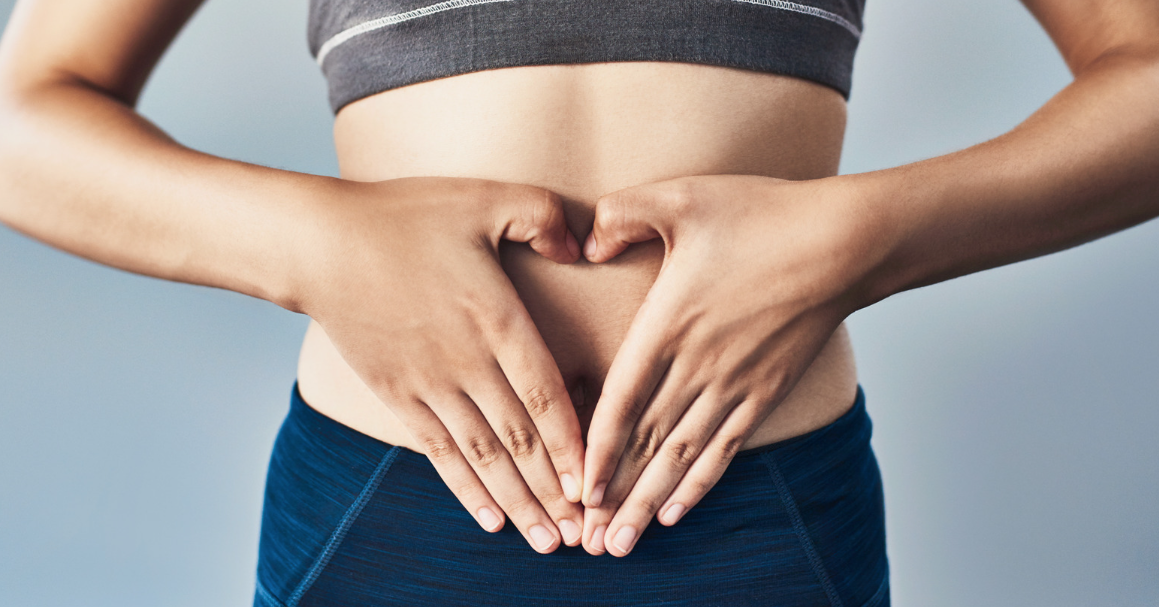
• Bloating so severe you look pregnant (this is called “endo belly”)
• Nausea, constipation, diarrhea — digestive issues that get worse during your cycle
• Difficulty getting pregnant
💡 Quick Tip
Start tracking your symptoms NOW. Use a notes app, a journal, or an app like Clue or Flo. Document the pain level (1-10), where it hurts, how long it lasts, and what you were doing when it hit. When you finally see a doctor who takes you seriously, this log is your evidence. It’s harder to dismiss a woman with receipts.
The Truth About Getting Diagnosed
Here’s what nobody tells you: the gold standard for diagnosing endometriosis is laparoscopic surgery. That’s right — they have to go in and look. An ultrasound or MRI might show cysts or endometriomas, but a clean scan does NOT mean you don’t have endometriosis.
So if you’ve been told “your ultrasound looks fine, so you’re fine” — that’s not the full story. Push back. Ask for a referral to a gynecologist who specializes in endometriosis. Not all OB-GYNs are equipped to handle it.
What to Look for in a Doctor:
✅ They listen when you describe your pain without interrupting
✅ They don’t immediately suggest pregnancy or birth control as a “cure”
✅ They specialize in endometriosis or minimally invasive gynecologic surgery
✅ They validate your experience instead of making you feel crazy
💊 What Works: this top-rated pick – A high-quality heating pad is not a cure, but it is a lifeline during flare-ups. Look for one with adjustable heat settings and an auto-shutoff. The moist heat options penetrate deeper and can actually relax the muscle spasms that come with endometriosis pain.
What Actually Works for Managing Endometriosis
Listen, there is no one-size-fits-all cure for endometriosis. What works for one woman might not work for you. But here are the options that have real evidence behind them — and that you deserve to know about.
1. Pain Management
Over-the-counter anti-inflammatories like ibuprofen or naproxen can help, but they work best when you start them BEFORE the pain peaks. If you know your cycle, take them a day or two before you expect symptoms. For severe pain, ask your doctor about prescription options.
2. Hormonal Treatments
Birth control pills, hormonal IUDs, and GnRH agonists can reduce or stop your periods, which means less bleeding from those endometrial-like growths. These aren’t cures, but they can significantly reduce pain for many women.
3. Surgery
Excision surgery — where a skilled surgeon cuts out the endometriosis tissue rather than burning it — is considered the gold standard for treatment. If you go this route, find a surgeon who does excision, not ablation. The difference matters.
4. Lifestyle Changes
Anti-inflammatory diets, pelvic floor physical therapy, acupuncture, and stress management can all help. They’re not replacements for medical treatment, but they can make a real difference in how you feel day to day.
7-10 YEARS
The average time it takes a woman to get diagnosed with endometriosis. You deserve answers sooner.
The Truth Nobody Tells You About Endometriosis
Here’s the part that makes me want to scream: endometriosis is not just a “period problem.” It’s a whole-body, whole-life condition. It affects your career, your relationships, your mental health, and your finances.
Think about it. How many days of work have you missed? How many opportunities have you turned down because you couldn’t guarantee you’d be functional that week? How much money have you spent on doctors, treatments, and products that didn’t work?
A 2020 study found that women with endometriosis lose an average of 10.8 hours of work per week due to their symptoms. That’s not just a health issue — that’s an economic one. And for those of us building businesses or climbing corporate ladders, that’s a real barrier.
“You are not lazy. You are not unreliable. You are managing a chronic illness in a world that was not built to accommodate you.”
And here’s another thing: endometriosis can affect your mental health in ways that don’t get talked about enough. The anxiety of not knowing when a flare-up will hit. The depression that comes from chronic pain. The loneliness of feeling like nobody understands. The grief of feeling like your body is working against you.
If you’re feeling any of that, you’re not broken. You’re human. And you deserve support — both medical and emotional.
How to Advocate for Yourself at Work and in the Doctor’s Office
You should not have to choose between your health and your career. Here’s how to protect both:
Know your rights. Depending on where you live, endometriosis may qualify as a disability that requires workplace accommodations. That could mean flexible hours, remote work options, or more sick days. Look into the Americans with Disabilities Act (ADA) if you’re in the US, or similar protections in your country.
Document everything. Keep a record of your symptoms, your doctor visits, and any accommodations you request at work. If you face pushback, you’ll have a paper trail.
Build your support system. Find other women who get it. Join online communities, follow endometriosis advocates on social media, and don’t isolate yourself. This condition can feel incredibly lonely, but you are not alone.
💡 Quick Tip
Bring someone with you to doctor’s appointments. Studies show that women’s pain is more likely to be taken seriously when someone else is in the room advocating for them. If you don’t have someone to bring, record your symptoms and rehearse what you want to say. You are not asking for too much — you are asking for basic care.
This is the kind of stuff women talk about inside TechMae every single day. No judgment, just real ones keeping it real.
Related: This post is a must-read for women on their journey.
Start Here
If you’ve read this far and something is resonating, here’s what I want you to do today — not tomorrow, not next week. Today.
Your Next Steps:
✅ Start a symptom log — track pain levels, location, duration, and triggers
✅ Research endometriosis specialists in your area (not just any OB-GYN)
✅ Book an appointment and bring your log with you
✅ If a doctor dismisses you, get a second opinion. And a third if you need to.
✅ Find your community — you do not have to do this alone
You might also love this article – one of our most shared.
Listen, I know this is a lot. I know it’s overwhelming. I know you might be reading this and feeling seen for the first time in years — or feeling scared because now you have a name for what you’ve been experiencing.
But here’s what I need you to remember: endometriosis is not your fault. It’s not in your head. It’s not something you just have to “tough out.” It’s a real, physical condition that deserves real, serious treatment.
You deserve to live a life that isn’t dictated by pain. You deserve doctors who listen. You deserve workplaces that accommodate you. You deserve to feel good in your body.
And you deserve to know that you’re not alone in this. Millions of women are navigating endometriosis every single day — and thousands of them are right here in the TechMae community.
This Is Your Sign to Stop Doing It Alone
Women inside TechMae have been exactly where you are. Come find your people.