For generations, women have carried a silent, heavy truth about pregnancy. While society paints a picture of glowing anticipation, the reality for many is a grueling fight for survival against a condition often dismissed as ‘just morning sickness.’ But now, a landmark study is turning up the volume on their voices, offering the validation they have deserved all along.
This isn’t just about physical sickness; it’s about the profound mental and emotional toll that has been overlooked for far too long. For the ambitious women in our community, understanding this is about more than health—it’s about advocating for our whole selves, especially during life’s most transformative chapters.
The Validation Science Finally Provides
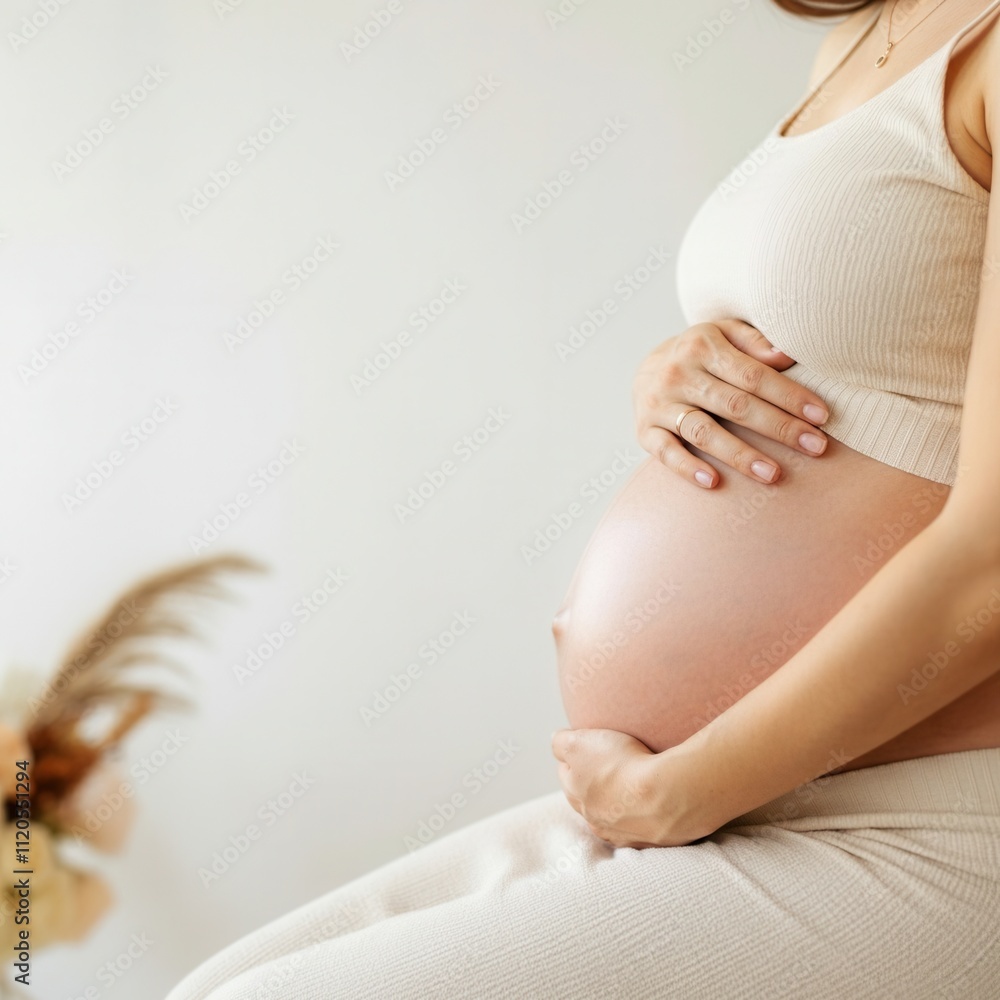
Hyperemesis gravidarum (HG) is a severe pregnancy sickness that goes far beyond typical nausea. It’s a debilitating condition marked by relentless vomiting, dehydration, and often, repeated hospitalizations. For the women who endure it, the battle is exhausting in every sense of the word.
New research published in The Lancet has analyzed data from nearly half a million women across 18 countries, and the findings are a powerful confirmation of what these mothers have always known. The study reveals that HG ravages both body and mind, creating lasting psychological scars. The numbers speak volumes: women with HG face a 50% higher risk of developing mental health conditions within the first year of diagnosis. The rate of postpartum depression is nearly three times higher, and the risks for PTSD, eating disorders, and other neuropsychiatric conditions are significantly increased.
This data shatters the myth that HG is a temporary physical inconvenience. It is a serious health crisis with deep, lasting implications for a woman’s mental well-being.
Why This Research is a Watershed Moment for Women’s Health
For too long, women suffering from HG have been met with minimization instead of medicine. Advice like “try eating crackers” or “just tough it out” has been not only unhelpful but deeply isolating. This study is a crucial step in bridging the gap between lived experience and medical understanding.
As Dr. Hamilton Morrin of King’s College London noted, while mild nausea is common, HG exists on a severe and debilitating spectrum. This research, as echoed by neuropsychiatrist Dr. Thomas Pollak, validates the nightmarish experience of countless women who have felt abandoned by a system that failed to grasp the full scope of their suffering. It proves that the need for compassionate, comprehensive care—care that treats the whole person—is not an exaggeration but a medical necessity.
Your Action Plan: Advocacy and Support
Knowledge is power, and this new research provides a foundation for stronger advocacy. If you or someone you love is navigating HG, here’s how to channel this information into actionable support.
If you are experiencing HG: Your voice is your greatest tool. Speak openly with your healthcare provider about both your physical and emotional symptoms. If you are too unwell to advocate for yourself, appoint a trusted partner or friend to be your champion in medical settings. Arm yourself with information from expert organizations like the HER Foundation, and trust that safe, effective treatments are available. Most importantly, ask for mental health screening; protecting your psychological well-being is as critical as managing your physical health.
If you are supporting a loved one with HG: Your role is vital. The most powerful thing you can do is believe her without question. Move beyond sympathy to concrete action—provide meals, handle childcare, take over chores. And remember, the risk doesn’t end at delivery; check in consistently during the postpartum period, when the emotional toll can be most acute.
The TechMae Takeaway
This study is more than data; it’s a long-overdue acknowledgment of women’s resilience and a call to action for a more empathetic world. It reminds us that our health journeys are interconnected—the physical cannot be separated from the emotional, and our struggles deserve to be met with both scientific rigor and profound compassion.
At TechMae, we believe that when one woman’s experience is validated, we all rise. This research empowers us to demand better care, to support each other more fiercely, and to continue rewriting the narrative around women’s health, one validated truth at a time.
Inside the TechMae app, women are already sharing their stories and strategies for navigating health challenges like HG. Join this powerful conversation—because when we lift each other up with knowledge and support, we don’t just survive; we thrive.