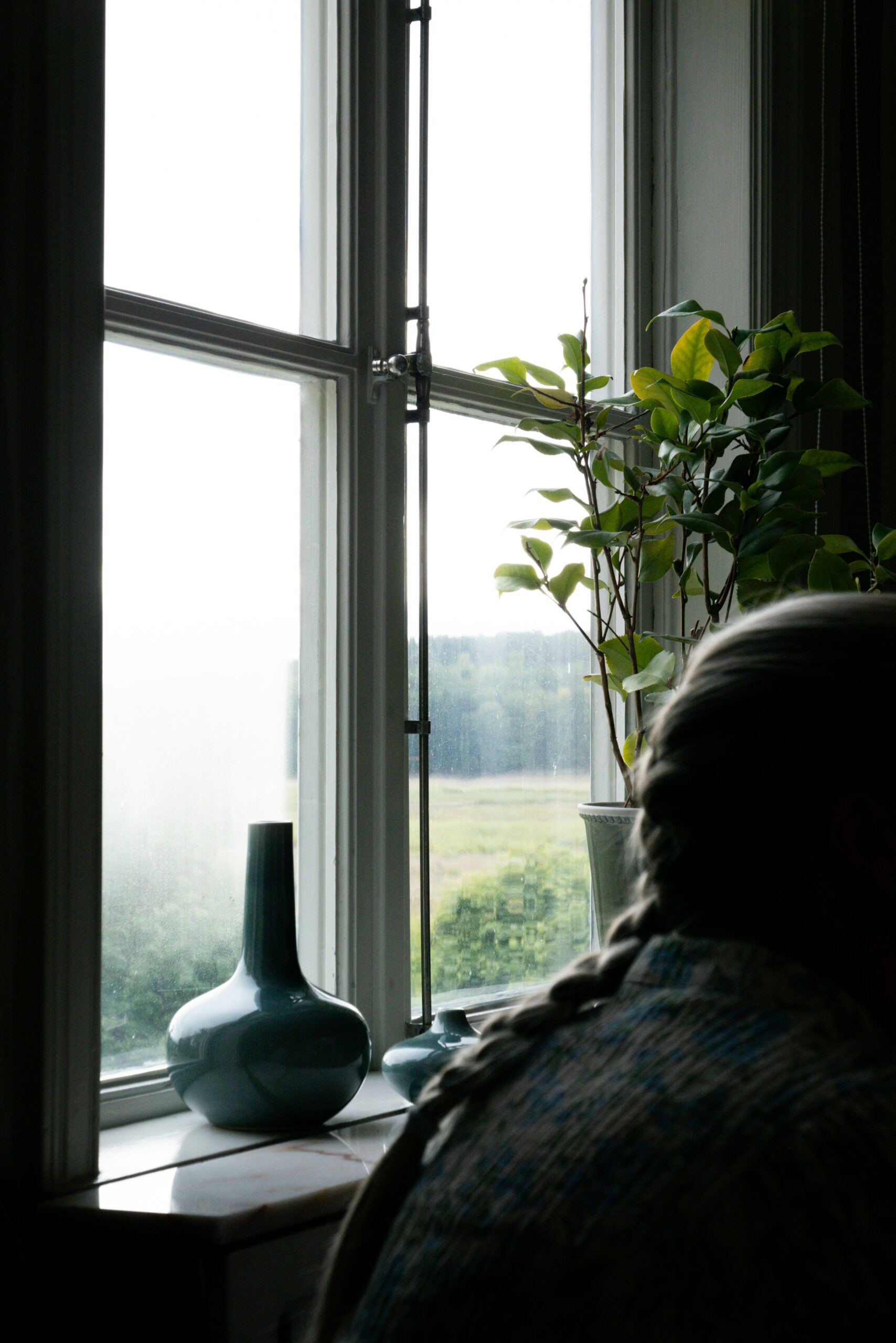

“I didn’t realize how loud the world was until I finally shut up long enough to hear myself.”
Okay sis, let me tell you about the week I actually did a digital detox — and no, not the cute, aesthetic version you see on TikTok where someone lights a candle and journals in a field. I mean the real, gritty, “I almost caved 47 times” kind of detox.
I’m talking about putting my phone down for seven full days. No Instagram. No TikTok. No doom-scrolling before bed. No checking my ex’s story at 2 AM (we’ve all been there). And girl… what happened genuinely surprised me.
Before you roll your eyes and say “I could never” — listen. I said the same thing. I thought my phone was essential for my social life, my schoolwork, my sanity. But here’s the thing nobody tells you: your phone isn’t the problem. The way you use it is. And a digital detox isn’t about being perfect. It’s about reclaiming your brain before it gets completely fried.
Why I Finally Committed to a Digital Detox
I hit a wall. You know the feeling — you wake up, grab your phone before you even pee, and suddenly 45 minutes have vanished into the void of other people’s highlight reels. You’re comparing your messy dorm room to someone’s curated apartment. You’re wondering why your life doesn’t look as put together as that influencer who’s probably just as lost as you are.
Here’s a stat that stopped me cold: the average person checks their phone 96 times a day. That’s once every 10 minutes. And for women our age? It’s even higher. We’re not even aware we’re doing it half the time. Your brain is literally being rewired to crave constant dopamine hits — likes, comments, notifications. It’s like being in a toxic relationship with a device that gives you just enough attention to keep you hooked.
I realized I couldn’t remember the last time I finished a thought without being interrupted by a notification. I couldn’t sit through a meal without my hand instinctively reaching for my phone. I was physically present everywhere and mentally present nowhere. That’s when I knew I needed a real digital detox — not a 24-hour “break” where I still checked my email. A real one.
💡 Quick Tip
Before you start your digital detox, do this: Go to your phone settings and check your Screen Time or Digital Wellbeing. Look at your daily average. I bet it’s over 5 hours. That’s a part-time job, girl. Write down that number — it’s your baseline. You can’t change what you don’t measure.
Day 1-2: The Withdrawal Is Real (And It’s Ugly)
I’m not going to lie to you — the first two days were brutal. I felt physically itchy. My hand kept reaching for my phone like it was a phantom limb. I’d be in the middle of brushing my teeth and suddenly realize I was holding an imaginary phone in my other hand. That’s how conditioned we are.
I had to put my phone in a drawer in another room and use an actual alarm clock. If you don’t have one, get one — I’ll link one below. But here’s what nobody tells you about the first 48 hours of a digital detox: you’re not just fighting boredom. You’re fighting withdrawal. Your brain is literally going through a mild version of what happens when you quit caffeine or sugar. You’re irritable. You’re restless. You feel like you’re missing something important.
Spoiler: you’re not. The world kept spinning. Nobody died. Your DMs were fine. But your brain doesn’t know that yet. It’s panicking because it’s lost its primary source of stimulation. Let it panic. Sit in the discomfort. That’s where the growth happens.
💊 What Works: Sharp Alarm Clock for Heavy Sleepers – This saved me during my digital detox. It has a vibrating mode that actually wakes you up, and it means you don’t need your phone in your room at all. No scrolling before bed. No checking notifications first thing. Just sleep and wake up like a normal human.
Day 3-4: The Silence Gets Loud
By day three, something shifted. The withdrawal faded, and I was left with… silence. And not the peaceful kind at first. The kind where you suddenly have to sit with your own thoughts. And if you’re anything like me, that’s terrifying.
I realized I’d been using my phone to avoid myself. Every time I felt anxious about my student loans, I’d open Instagram. Every time I felt lonely in my apartment, I’d scroll through TikTok. Every time I didn’t want to think about the fight I had with my mom, I’d check my texts. My phone was my emotional painkiller. And when I took it away, all that pain I’d been numbing came rushing back.
But here’s the thing about pain — it’s information. Your brain is trying to tell you something. That anxiety about money? You need a budget, not another dopamine hit. That loneliness? You need real connection, not likes. That unresolved fight? You need to have the conversation, not avoid it. A digital detox forces you to face the things you’ve been running from. And yeah, it hurts. But it also heals.
The average woman spends 7+ hours a day on screens. That’s 49 hours a week. That’s a full-time job with no paycheck.
Day 5-7: The Breakthrough
This is where it gets good. By day five, my brain started to slow down. The constant noise in my head — the notifications, the comparisons, the FOMO — it all started to quiet. I could actually hear my own thoughts again. And you know what I found? I actually like myself. I have opinions. I have ideas. I have dreams that don’t involve going viral.
I started reading an actual book. A physical one, with pages. I went for walks without my phone and noticed things I’d never seen before — the way the light hits the trees, the sound of birds, the fact that there’s a whole world happening outside of my screen. I had conversations with my roommate where I actually listened instead of half-watching a video. I cooked a meal without a recipe on my phone. I remembered how to be bored. And boredom, it turns out, is where creativity lives.
By the end of the week, I didn’t want to go back. I mean, I knew I had to — I need my phone for work and school and staying in touch with people. But the relationship felt different. I was in control now, not the other way around. That’s the real goal of a digital detox: not to quit your phone forever, but to reset your relationship with it.
What Actually Works: My Digital Detox Toolkit
Okay, so you want to try this yourself. Here’s exactly what I did — and what I’d recommend for you. No fluff, just steps you can take today.
| Before Digital Detox | After Digital Detox |
|---|---|
| ❌ Scrolling in bed for 45 minutes before sleeping | ✅ Reading a physical book or journaling before bed |
| ❌ Phone on the table during meals | ✅ Phone in another room, full presence while eating |
| ❌ Checking social media 20+ times a day | ✅ Checking social media twice a day (set a timer) |
| ❌ Using phone as alarm clock | ✅ Using a separate alarm clock |
Why This Works:
✅ You break the dopamine loop: Every notification gives you a tiny hit of dopamine. Removing the trigger resets your brain’s reward system.
✅ You reclaim your attention span: Studies show that constant phone use reduces your ability to focus for more than 3 minutes. A digital detox rebuilds that muscle.
✅ You actually rest: Your brain doesn’t rest when you’re scrolling. It’s still processing information. True rest — like sleep or nature — repairs your brain.
The Truth Nobody Tells You About a Digital Detox
Here’s the part that feels uncomfortable to admit: a digital detox will show you how much you’ve been using your phone to avoid your actual life. And that’s scary. Because if you stop avoiding, you have to start dealing.
You’ll realize that the person you’re comparing yourself to on Instagram is also struggling — they’re just better at hiding it. You’ll realize that the hours you spend scrolling could be spent learning a skill, starting a side hustle, or actually calling your grandma. You’ll realize that you’re capable of so much more than you think, but only if you stop distracting yourself.
And here’s the biggest lie of all: that you need to be available 24/7. You don’t. Your friends will survive if you don’t reply for a few hours. Your boss can wait until morning. The world will not end if you miss a notification. But your mental health might suffer if you never disconnect.
“Your phone is not a lifeline. It’s a leash. And you’re the one who put it on.”
How to Start Your Own Digital Detox (Without Losing Your Mind)
Okay, so you’re convinced. You want to try a digital detox. But you’re scared. That’s normal. Here’s how to make it manageable.
Start small. Don’t go cold turkey for a week like I did — that’s advanced level. Try 24 hours first. Pick a Saturday. Tell your friends you’re doing it. Turn off your phone and put it in a drawer. See how you feel. If you make it through, try a weekend. Then try a full week.
Replace, don’t just remove. The biggest mistake people make with a digital detox is they take away the phone but don’t replace it with anything. You need something to do with your hands and your brain. Get a journal. Go for a walk. Call a friend. Cook something. Paint. Write. Move your body. If you just sit there staring at the wall, you’ll cave.
Set boundaries, not bans. After my week-long detox, I didn’t go back to my old ways. I set rules: no phone in the bedroom. No phone during meals. No scrolling first thing in the morning. I use app blockers to limit my time on social media to 30 minutes a day. I turned off all notifications except calls and texts from my mom and my best friend. You don’t have to quit forever — you just have to be intentional.
💡 Quick Tip
Use the “grayscale” trick. Go to your phone’s accessibility settings and turn your display to grayscale. Without the bright colors, your brain finds apps less stimulating. You’ll naturally want to use your phone less. It’s like putting broccoli on the dessert plate — your brain just isn’t interested.
What I Gained From My Digital Detox
I want to be real with you about what happened after that week. I didn’t suddenly become a productivity guru. I didn’t write a novel or learn a language or start a million-dollar business. But I did gain something more valuable: I got myself back.
I stopped needing external validation to feel okay. I stopped measuring my worth by likes and comments. I started sleeping better — like, actually deep sleep, not the restless half-sleep where you wake up every hour to check your phone. I started having ideas again. Real ideas, not just reactions to other people’s content. I started feeling my feelings instead of numbing them.
And here’s the thing that surprised me most: I wasn’t missing anything. All those hours I spent scrolling? I wasn’t learning anything. I wasn’t connecting. I wasn’t growing. I was just consuming. And consuming without creating is just… existing. A digital detox gave me back the ability to create my own life instead of watching everyone else’s.
This is the kind of stuff women talk about inside TechMae every single day. No judgment, just real ones keeping it real.
Related: This post is a must-read for women on their journey.
Start Here: Your 7-Day Digital Detox Challenge
I’m not just going to leave you with inspiration — I’m giving you a plan. Here’s exactly what to do for your own digital detox.
Your 7-Day Digital Detox Plan:
✅ Day 1-2: Remove social media apps from your phone. You can still use them on a computer if you need to, but the friction of logging in will reduce usage. Set your phone to grayscale.
✅ Day 3-4: No phone in your bedroom. Get an alarm clock. Charge your phone in the kitchen or living room. This one change alone will improve your sleep quality by 40%.
✅ Day 5-6: No phone during meals. Eat with people or eat in silence. Notice how much more you taste your food. Notice how much more you connect with the people around you.
✅ Day 7: Reflect. Write down what you learned. What did you miss? What didn’t you miss? What do you want to carry forward? This is where the real transformation happens.
You might also love this article — one of our most shared.
Your Brain After a Digital Detox
Let me give you one more stat that will stick with you. Research shows that after just 72 hours of reduced screen time, your brain’s default mode network — the part responsible for self-reflection, creativity, and emotional processing — becomes more active. In plain English? You start thinking more clearly, feeling more deeply, and creating more freely.
Your brain is literally designed to work better when it’s not constantly distracted. You’re not lazy. You’re not broken. You’re just overstimulated. And a digital detox is the reset button you didn’t know you needed.
So here’s my challenge to you, sis. Try it. Just one week. What do you have to lose except a few hours of scrolling? And what you might gain — your focus, your peace, your sense of self — is worth more than any notification.
You got this. And if you need support, you know where to find us.
This Is Your Sign to Stop Doing It Alone
Women inside TechMae have been exactly where you are. Come find your people.