“I thought my periods were just ‘bad’ because that’s what my mom said. Turns out, I had fibroids the size of a lemon. I was 22.”
Sis, let’s talk about something that affects 80% of Black women by age 50 — but nobody is actually talking about. I mean, how many times have you heard someone say “periods are just supposed to hurt” or “heavy bleeding runs in our family”?
That’s the lie we’ve been sold. And it’s costing us our health, our energy, and sometimes our ability to show up for class, work, or even a date night without worrying about bleeding through your jeans.
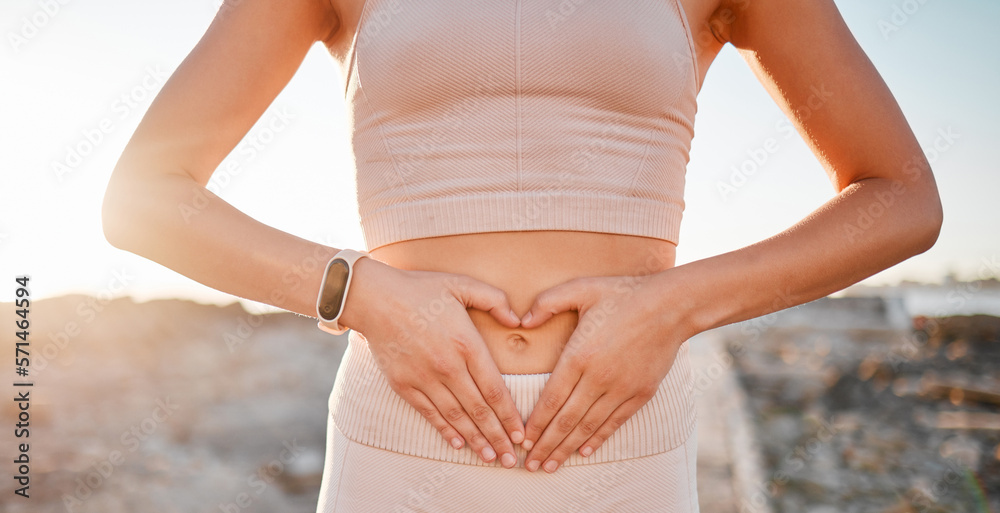
Fibroids are non-cancerous growths in the uterus that can cause heavy bleeding, severe cramping, bloating, back pain, and even fertility issues. And if you’re a Black woman between 16 and 25? Your risk is three times higher than white women. Yeah, that is wild right.
But here’s the good news: you don’t have to just “deal with it.” There are real steps you can take right now — whether you’re in a dorm with a roommate, living at home, or sharing an apartment with three other girls trying to make rent.
Why Nobody Told You About Fibroids
Listen, I’m going to keep it real with you. The reason you probably haven’t heard about fibroids in depth is because women’s health — especially Black women’s health — has been ignored by the medical system for decades. Studies show that Black women wait longer for fibroid treatment, get offered hysterectomies more often (even when they want kids), and are less likely to be taken seriously when they say “something feels wrong.”
And let’s be honest: when you’re 19 and trying to figure out your major, deal with a toxic situationship, and keep your GPA up, the last thing on your mind is “do I have uterine fibroids?” But your body has been sending you signs. Let me break them down.
💡 Quick Tip
If you’re changing your super plus tampon every hour, soaking through pads overnight, or passing clots bigger than a quarter — that is NOT normal. That is your body screaming for help. Don’t let anyone tell you “it’s just how your period is.”
The Symptoms You Might Be Ignoring
Here’s the thing about fibroids — they don’t always announce themselves with a megaphone. Sometimes they show up as “mystery weight gain” in your lower belly that makes you look three months pregnant. Sometimes it’s that lower back pain you thought was from sitting in those awful lecture hall chairs. Sometimes it’s painful sex that you’re too embarrassed to bring up with your gyno.
I had a friend in college who thought she was just “getting fat” from dining hall food. She was doing crunches every night, cutting calories, and still her belly kept growing. Turns out, she had a fibroid the size of a grapefruit. She was 20 years old.
Here are the signs you should never ignore:
Heavy bleeding — if you’re using double protection (tampon + pad) and still bleeding through, that’s a red flag. If your period lasts longer than 7 days, that’s another one.
Severe cramping — not the kind that makes you take ibuprofen. The kind that makes you miss class, call out of work, or curl up in the fetal position unable to move.
Bloating and pressure — if your stomach feels hard, swollen, or you constantly feel like you have to pee, fibroids could be pressing on your bladder.
Anemia — are you always tired? Like, can’t-get-out-of-bed tired? Heavy bleeding from fibroids can cause iron deficiency, which makes you exhausted, dizzy, and pale.
80% of Black women will develop fibroids by age 50. But most don’t get diagnosed until their 30s or 40s. That’s decades of unnecessary suffering.
What Actually Works for Fibroids
Okay, so now you know what fibroids are and what to look for. But what do you actually DO about it? Especially when you’re on a student budget, living with roommates, or just starting your first job and your insurance is trash.
First things first: get diagnosed. You need an ultrasound — either transabdominal (over your belly) or transvaginal (yes, it’s as awkward as it sounds, but it’s quick). Your gynecologist can order this. If you don’t have a gyno, check if your campus health center offers women’s health services, or look for a Planned Parenthood near you. They work on sliding scales.
Once you know what you’re dealing with, here’s what actually helps shrink fibroids and manage symptoms — no fluff, no “try this essential oil” nonsense.
💊 What Works: Vitauthority SuperGreens – Packed with iron, folate, and antioxidants that help combat anemia from heavy bleeding and support hormone balance naturally. Mix it into your morning smoothie or water.
Diet Changes That Actually Matter
I know, I know — everyone wants to tell you to “eat clean” like that’s easy when you’re surviving on ramen and dining hall pizza. But hear me out: there are specific foods that help shrink fibroids, and they don’t require a Whole Foods budget.
Fibroids feed on estrogen. So anything that helps your body process and eliminate excess estrogen can help keep them from growing. That means:
Eat more fiber. Fiber helps your body flush out excess estrogen through your poop (yes, really). Think oats, apples, carrots, broccoli, beans, and lentils. Canned beans are fine — rinse them first.
Eat more greens. Kale, spinach, collard greens — they’re packed with iron (which you need if you’re bleeding heavy) and compounds that help balance hormones.
Cut back on red meat and dairy. I’m not saying go vegan. But studies show that women who eat more red meat and dairy have higher fibroid risk. Try swapping one or two meals a week for plant-based options.
Drink green tea. This one is actually backed by research. Green tea contains EGCG, a compound that has been shown to shrink fibroids. Aim for 2-3 cups a day. The cheap grocery store bags work just fine.
Why This Works:
✅ Fiber binds to excess estrogen and helps your body eliminate it through digestion
✅ Iron-rich greens combat anemia caused by heavy bleeding
✅ Green tea compounds (EGCG) directly inhibit fibroid growth
✅ Reducing red meat and dairy lowers inflammatory triggers
Supplements That Help (On a Budget)
Let’s be real — supplements can get expensive fast. But there are a few that are actually worth your money if you’re dealing with fibroids. Start with one at a time so you know what’s working.
Vitamin D. This is the big one. Studies show that Black women are more likely to be vitamin D deficient, and low vitamin D is linked to higher fibroid risk. Get your levels checked (your doctor can order a simple blood test), and if you’re low, take a supplement. It’s cheap — like $8 for a bottle that lasts three months.
Iron. If you’re bleeding heavy, you’re losing iron. That’s why you’re exhausted. But don’t just grab any iron supplement — get one with vitamin C (it helps absorption) and take it with food to avoid stomach upset.
Turmeric. This anti-inflammatory powerhouse can help reduce the inflammation that makes fibroids worse. Add it to food or take a supplement. Just make sure it has black pepper (piperine) for absorption.
💊 What Works: Nature’s Bounty Vitamin D3 2000 IU – Affordable, easy to swallow, and clinically studied for hormone health. Pair it with a calcium-rich meal for best results.
The Truth Nobody Tells You About Fibroids and Fertility
Okay, let’s talk about the elephant in the room. You’re 20, 22, maybe 25. You’re not thinking about having kids right now. But fibroids can affect your fertility, and the earlier you know, the more options you have.
Here’s the thing: not all fibroids cause fertility problems. It depends on where they are. Submucosal fibroids (the ones that grow into the uterine cavity) are the most likely to cause issues — they can interfere with implantation or block fallopian tubes. Intramural fibroids (inside the uterine wall) can also cause problems if they’re large enough.
But here’s what nobody tells you: you can have fibroids and still have a healthy pregnancy. Many women do. The key is monitoring them and managing symptoms early so they don’t grow out of control.
And if you do need treatment? There are options that preserve your fertility — myomectomy (surgical removal of fibroids) is one of them. Do NOT let a doctor push you into a hysterectomy if you want to have kids someday. Get a second opinion. Get a third. Black women are disproportionately offered hysterectomies, and that is not okay.
“I was 24 when my doctor told me I needed a hysterectomy. I had to fight for a second opinion. That second doctor performed a myomectomy instead. I have two kids now.”
How to Advocate for Yourself at the Doctor
This is probably the most important section of this whole post, so pay attention. You need to know how to speak up for yourself because the medical system will gaslight you. Studies show that Black women’s pain is taken less seriously than white women’s pain. Doctors are more likely to dismiss our symptoms as “anxiety” or “just cramps.”
Here’s what you say:
“I am concerned about fibroids based on my symptoms. I would like an ultrasound to rule them out.”
If they push back, say: “I understand you think it’s normal, but I know my body and something is wrong. Please document in my chart that I requested an ultrasound and you declined.”
Watch how fast they change their tune when you bring up documentation. And if they still refuse? Find a new doctor. You deserve someone who listens.
💡 Quick Tip
Bring a friend or family member to your appointment. Studies show that Black women receive better care when they have an advocate in the room. Plus, two people remember more than one.
Managing Fibroids in College and Early Career
Let’s get practical. You have classes, a job, maybe an internship. You’re stressed, you’re broke, and you’re trying to figure out life. How do you manage fibroids on top of all that?
Track your cycle. There are free apps like Clue or Flo that let you log symptoms. This helps you predict when your worst days will be so you can plan around them. Schedule exams and presentations for your lighter days if possible.
Build a period emergency kit. Keep extra pads, tampons, underwear, and dark pants in your backpack or car. The anxiety of “what if I bleed through” is real, and having backup helps you feel in control.
Use heat therapy. A cheap heating pad from Target ($15) can be a lifesaver for cramps. Microwavable rice socks work too if you’re on a tight budget.
Know your rights. If your period is so bad you can’t work or go to class, you may be eligible for accommodations. The Americans with Disabilities Act covers conditions that substantially limit major life activities — and yes, severe fibroid symptoms can qualify. Talk to your school’s disability office or your HR department.
What You Can Do Right Now:
✅ Download a period tracking app and start logging symptoms today
✅ Make an appointment with a gynecologist or campus health center
✅ Buy a heating pad and iron supplement
✅ Write down your symptoms so you don’t forget them at the doctor
✅ Tell one trusted friend or family member what you’re going through
You Are Not Alone in This
Sis, I need you to hear this: you are not broken. You are not weak. You are not overreacting. Fibroids affect 80% of Black women — that means the women in your family, your friends, your professors, your coworkers. So many of us are dealing with this, but we’re dealing with it in silence because we were told our pain doesn’t matter.
Your pain matters. Your health matters. And you deserve to feel good in your body — not just “getting by” every month.
This is the kind of stuff women talk about inside TechMae every single day. No judgment, just real ones keeping it real. We share doctor recommendations, supplement stacks that actually work, and the exact words to say when a doctor tries to dismiss you. You don’t have to figure this out alone.
Related: This post is a must-read for women on their journey — especially if fibroids have you feeling drained all the time.
Start Here
One thing you can do TODAY: open your phone and schedule a gynecologist appointment. Not next week. Not when you have time. Today. Even if it’s two months out — at least you’re in the system. While you wait, start tracking your symptoms and making the diet changes I mentioned above.
And if you need a community of women who get it? That’s what TechMae is for. We’re building a space where young women like you can ask the questions you’re too embarrassed to Google, get real answers, and find your people.
You might also love this article — one of our most shared.
This Is Your Sign to Stop Doing It Alone
Women inside TechMae have been exactly where you are. Come find your people. No judgment, just real talk and real support.