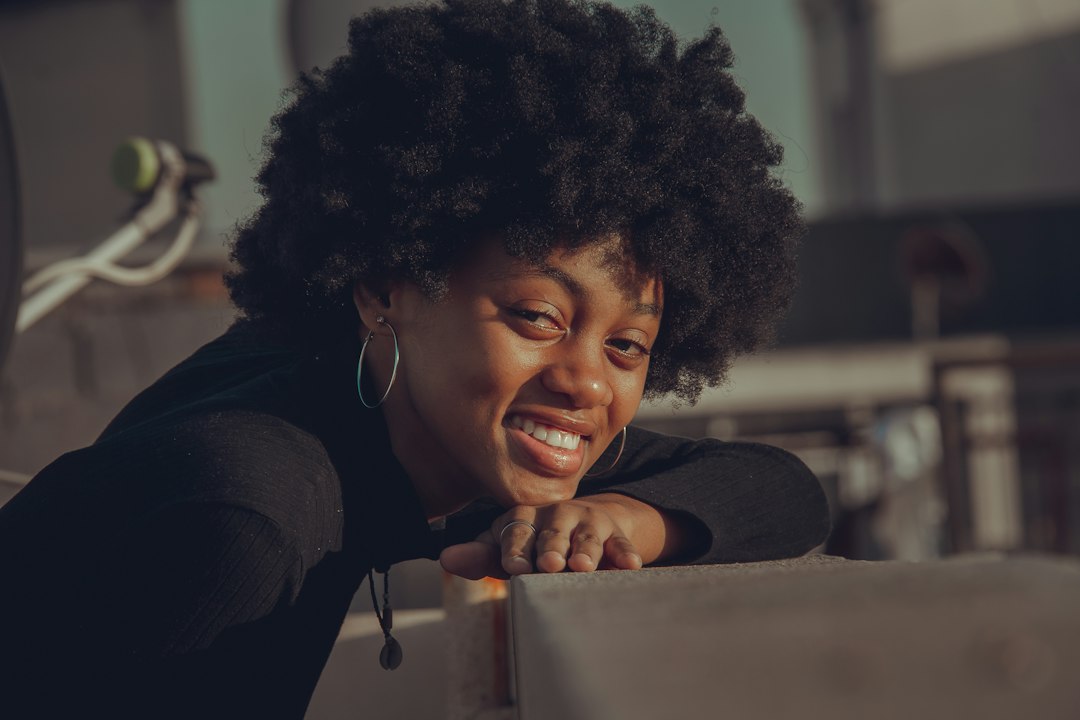

“I spent $300 on a box braid install and my edges still broke off. That’s when I realized — not all ‘protective styles’ actually protect your hair.”
Okay sis, let’s talk about something that had me in a chokehold for years. You know the drill — you see that gorgeous braided style on Pinterest, you save up your coins, you sit in the chair for six hours, and you walk out feeling like a goddess. But then two weeks later, your scalp is itchy, your edges are thinning, and you’re wondering if you just paid someone to damage your hair.
Here’s the thing nobody tells you: protective styles are only protective if they’re done right. And I mean right. Not the way your cousin’s friend’s sister does them. Not the way that viral TikTok tutorial shows. The actual, science-backed, stylist-approved way that keeps your hair growing while it’s tucked away.
I learned this the hard way, and I don’t want you to make the same mistake. So grab your water bottle, get comfortable, and let me break this down like we’re on FaceTime.
Why Your “Protective Styles” Might Be Doing the Opposite
Let me guess. You’ve worn box braids, faux locs, or a sew-in before, and your hair actually felt worse when you took them out. Maybe it was drier. Maybe you lost length. Maybe you had little bald spots near your temples that made you want to cry.
Girl, I have been there. And here’s what I wish someone had told me: protective styles are supposed to shield your ends from friction, weather, and manipulation. But if the style is too tight, too heavy, or left in too long, it becomes a damaging style instead.
The number one culprit? Tension. When your braids or extensions are pulling at your scalp, they’re not protecting anything — they’re slowly ripping your hair out at the root. That’s not a protective style. That’s a traction alopecia starter pack.
1 in 3 women has experienced hair breakage from a “protective style” that was installed too tightly.
Yeah, that stat is wild. Let that sink in. One out of every three of us has paid money to have our hair damaged. And the worst part? Most of us didn’t even know it was happening until the damage was done.
The Real Purpose of Protective Styles
Okay, so let’s rewind. What are protective styles actually supposed to do? The goal is simple: keep your ends tucked away so they don’t rub against your clothes, your pillowcase, or the elements. When your ends are protected, they retain moisture better, split less, and your hair grows longer between trims.
But here’s the catch — if your scalp isn’t happy, your hair isn’t growing. Full stop. Your scalp is the soil your hair grows out of. If that soil is dry, inflamed, or suffocated, nothing good is coming out of it. That’s why so many women take down their protective styles and find their hair actually shorter than when they started.
So how do you actually protect your hair while still looking cute? Let me break it down.
💡 Quick Tip
Before any protective style install, ask your stylist: “Can I feel my scalp moving when I shake my head?” If you can’t, it’s too tight. Walk out. Your edges are not worth a cute picture.
What to Look For in a Truly Protective Style
Not all braids are created equal. Not all twists are doing what they’re supposed to do. Here’s what separates a real protective style from a style that’s just pretending:
1. Lightweight is non-negotiable. If your head feels heavy after an install, your hair follicles are under stress. That weight is pulling on your roots every single second. Styles like jumbo box braids or extra-long faux locs can be heavy AF. Opt for medium or small sizes, and keep the length reasonable — past your bra strap is where it gets risky.
2. Your real hair must be moisturized underneath. This is the step everybody skips. You can’t just wash your hair, dry it, and braid it. You need to deep condition, apply a leave-in, and seal with oil before that braid goes in. Otherwise, your natural hair is sitting under that extension for weeks getting drier and drier.
3. Your scalp needs airflow. If your parts are so tiny and tight that your scalp can’t breathe, you’re setting yourself up for itchiness, buildup, and even fungal infections. Yes, it’s that serious. Your scalp is skin — treat it like it.
💊 What Works: The Mane Choice Scalp & Hair Oil – This keeps your scalp hydrated and soothed while you’re in a protective style. No itching, no flakes. Just healthy growth underneath.
The Styles That Actually Deliver
Okay, so now you know what to avoid. But what should you ask for? Here are the protective styles that real hairstylists swear by — the ones that actually let your hair grow while you go about your life:
Knotless Box Braids. These are a game changer. Unlike traditional box braids that start with a knot at the root (which pulls and stresses your scalp), knotless braids are fed in gradually. They lay flatter, they’re lighter, and they put way less tension on your edges. If you haven’t tried knotless yet, girl, you are missing out.
Passion Twists. These are lighter than traditional faux locs and have a softer, more natural look. They’re also easier to install, which means less time in the chair and less manipulation of your real hair. Plus, they’re cute as hell with a scrunchie.
Flat Twists or Cornrows. Don’t sleep on the classics. Cornrows and flat twists are some of the lowest-tension protective styles out there, especially if you keep them medium-sized and not braided too tight. They also give your scalp maximum airflow, which means less itching and more growing.
Wigs (with a proper cap underneath). I know wigs aren’t always the vibe for every day, but hear me out. A good wig with a breathable cap and your real hair properly moisturized and braided underneath? That’s one of the most protective things you can do. Your ends stay tucked, your scalp can breathe, and you can switch up your look without touching your real hair at all.
| Style That Damages | Style That Protects |
|---|---|
| ❌ Traditional box braids (tight knots) | ✅ Knotless box braids (no tension) |
| ❌ Extra-long faux locs (heavy) | ✅ Passion twists (lightweight) |
| ❌ Tight cornrows (traction risk) | ✅ Medium-sized cornrows with edge space |
| ❌ Sew-ins with excessive tension | ✅ Wigs with breathable cap |
How to Maintain Your Hair While It’s in a Protective Style
This is where most of us drop the ball. You get the style, you love it for two weeks, and then you forget your real hair even exists under there. Sis, that is how you end up with matting, breakage, and a sad detangling session.
Here’s your maintenance checklist while you’re wearing protective styles:
Moisturize every 3-4 days. You can’t just leave your hair alone for six weeks. Spray your scalp and the length of your braids with a water-based leave-in or a rose water and glycerin mix. Follow up with a light oil on your scalp — jojoba or grapeseed oil works great because they’re close to your scalp’s natural sebum.
Wash your scalp every 2-3 weeks. Yes, you can wash your hair in a protective style. Use a diluted shampoo and focus on your scalp. Rinse thoroughly and let your braids dry completely. Damp braids left overnight = mildew. And mildew on your scalp is a whole problem you do not want.
Sleep with a satin or silk scarf. I don’t care if you have a bonnet, a pillowcase, or both. Cotton will suck the moisture out of your hair and cause friction that frays your edges. Satin is your best friend. Every single night. No exceptions.
Why This Works:
✅ Keeps your scalp healthy and itch-free — no more scratching in public
✅ Prevents matting and tangles when you finally take the style down
✅ Actually helps your hair retain length instead of breaking off
The Truth Nobody Tells You
Here’s the real talk. The reason so many of us have had bad experiences with protective styles isn’t because the styles are bad. It’s because we were never taught how to vet our stylists, how to speak up when something hurts, or how to care for our hair underneath.
Your stylist works for you. Not the other way around. If something hurts, say something. If they tell you “it’s supposed to be tight,” they are wrong. Tight is not a requirement. Secure is the goal. Tight is damage waiting to happen.
And listen — I know it’s awkward to speak up. I know you don’t want to be “that client.” But I promise you, losing your edges is way more awkward than saying “can you loosen this a little?” Your hair is yours forever. That stylist is temporary.
“The most protective thing you can wear is the confidence to say ‘this hurts, fix it.’ Your edges are not a compromise.”
And one more thing — don’t leave your protective styles in too long. I know you’re busy. I know you have exams, work, and a social life. But four to six weeks is the max for most styles. After that, your hair has shed naturally and the shed hair is tangling with the extensions. That’s how you lose chunks of hair on take-down day.
Set a calendar reminder for week four. If you still love the style, that’s fine — but at least check your edges and your scalp. If you see buildup, redness, or thinning, it’s time to let them go.
This is the kind of stuff women talk about inside TechMae every single day. No judgment, just real ones keeping it real. We’re out here learning together — and honestly, that makes all the difference.
Related: This post is a must-read for women on their journey. Because when your hair is right, your whole energy shifts.
Start Here
Okay, so here’s your one clear action for today. Before you book your next protective style appointment, do this:
Pull up your phone and text your stylist these three questions:
1. “Do you use the knotless method?”
2. “How long do you recommend I keep this style in?”
3. “Can I bring my own products for my hair to be moisturized underneath?”
If they give you attitude or vague answers, find someone else. I’m serious. There are too many good stylists out there to settle for one who doesn’t respect your hair health.
Your Protective Style Prep Kit:
✅ Deep condition your hair 24 hours before your appointment
✅ Bring your own leave-in and oil to the salon
✅ Ask for your parts to be medium-sized, not micro
✅ Set a reminder for week 4 to reassess
You might also love this article – one of our most shared. Because confidence isn’t just about how you look — it’s about knowing you’re taking care of yourself the right way.
And girl, I see you. I see you trying to figure this out on your own. I see you watching YouTube videos at 2 AM wondering why your hair isn’t growing like hers. I see you spending your hard-earned money on styles that should work but don’t. You are not alone in this. So many of us are on the same journey, and the only difference between where you are and where you want to be is the information you haven’t gotten yet.
Now you have it. Go protect your hair. And while you’re at it, protect your peace too.
This Is Your Sign to Stop Doing It Alone
Women inside TechMae have been exactly where you are. Come find your people — the ones who will tell you the truth about protective styles, life, and everything in between.