
Okay, let’s talk about the silent scream. You know the one. It’s that passionate opinion you have about a social issue, that brilliant idea in a meeting, or that boundary you need to set with family that gets stuck in your throat. For so many of us, especially daughters of immigrants, this internal conflict is a daily reality. We’re educated, we’re capable, but when it comes to using our full voice, we freeze.
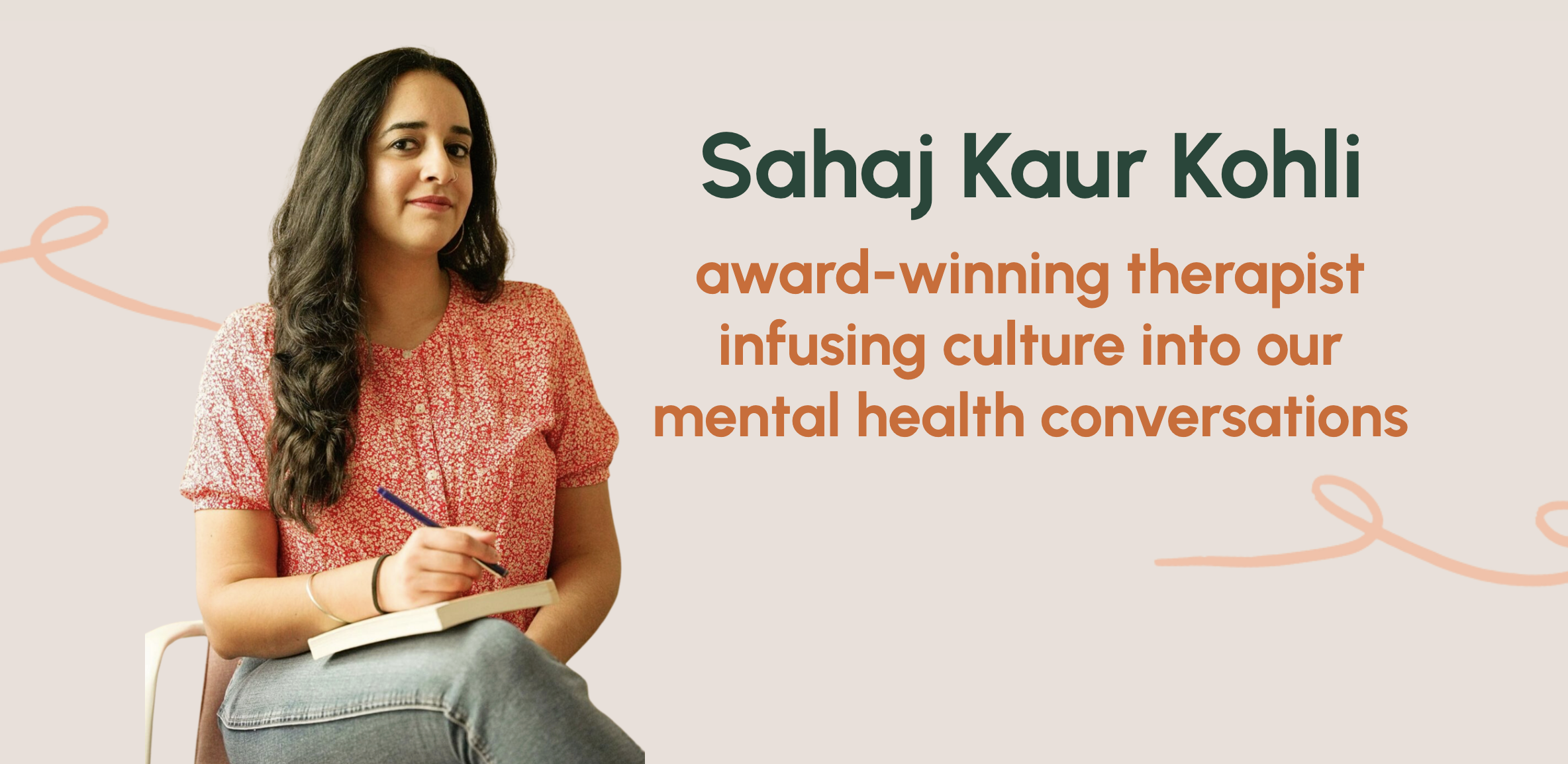
Why is that? And what are we—and the world—missing when we stay quiet? This is the exact question therapist and visionary Sahaj Kohli is tackling head-on. Through her groundbreaking platform, Brown Girl Therapy, Kohli is empowering immigrant daughters and bicultural women to break the silence they inherited. She’s teaching a powerful lesson: courage doesn’t have to be loud to be brave.
The “Why” Behind the Silence We Carry
Ever feel like you’re living two different lives? One for your family and community, and another for your career and friends? You’re not alone. Kohli identifies this as the core tension for bicultural women: the pull between self-determination and cultural-familial obligation.
Our parents often operated from a place where silence equaled safety. “Don’t rock the boat” wasn’t just a saying; it was a survival strategy. But what served their survival can now undermine our ability to create the change we want to see. It creates what Kohli calls “unhelpful guilt”—the chronic feeling that you’re never quite a good enough daughter, a good enough [cultural identity], or a good enough woman. This guilt becomes the ultimate blocker to living a life fully aligned with your values.
What Your Silence is Actually Costing You (And Everyone Else)
This isn’t just a personal struggle; it’s a political and cultural one. When an entire generation of educated, powerful women stays silent, movements lose crucial perspectives. Consider this: while 77% of Indian Americans hold a bachelor’s degree or higher, their voices are often missing from public discourse on issues they privately champion, from reproductive rights to economic policy.
This silence has a real cost. It means policies get made without our input. It means our unique bicultural perspectives—which blend collectivist values with individual ambition—are absent from the table. Perhaps most painfully, it teaches the next generation of girls that caring deeply and staying quiet is the norm. The mental health support and community connection Kohli provides through Brown Girl Therapy directly addresses this gap, showing women they don’t have to choose between honoring their roots and claiming their voice.
Your Voice Doesn’t Have to Be Loud to Be Brave
So, how do we start? Kohli’s work offers a powerful reframe. Speaking up isn’t a rejection of your parents’ sacrifices; it’s a continuation of them. As she told her own father, “You kept your head down so I wouldn’t have to. You gave me the privilege of ease. So now, I get to speak up.” Your voice, in all its forms, is your inheritance.
The goal isn’t to become the loudest person in the room. It’s about being the most authentic. “Your voice doesn’t have to be angry or loud in order for it to be brave,” Kohli says. “It just has to be yours.” This is the essence of her empowerment message for South Asian American women and so many others navigating dual identities.
3 Steps to Break Your Inherited Silence
Ready to start using your voice? Here are Kohli’s three actionable steps, straight from her clinical practice.
1. Understand the “Why”: Get curious about your silence. Ask yourself: “Whose comfort am I protecting? And what is this silence costing me?” Recognizing the root is the first step to pulling it.
2. Root Your Voice in Shared Values: Instead of framing your voice as opposition, frame it as an extension of your family’s teachings—justice, resilience, service. This builds bridges instead of burning them.
3. Choose Your Arena: Courage isn’t one-size-fits-all. Your act of bravery could be correcting misinformation in a family WhatsApp group, writing a letter to your representative, hosting a small fundraiser, or simply stating a need clearly at home. Start where you feel you can.
The TechMae Takeaway
Your voice is not an add-on; it’s essential to your leadership and your legacy. Breaking inherited silence is a journey of healing that allows you to show up more fully—not just for yourself, but for your community and the causes you hold dear. It’s about transforming that quiet guilt into aligned action and realizing that your unique, bicultural perspective is exactly what the world needs right now.
Inside the TechMae app, women are already discussing trending stories like this one—sharing ideas, insights, and next moves. Join the conversation and find your tribe: the future of empowerment is happening here.