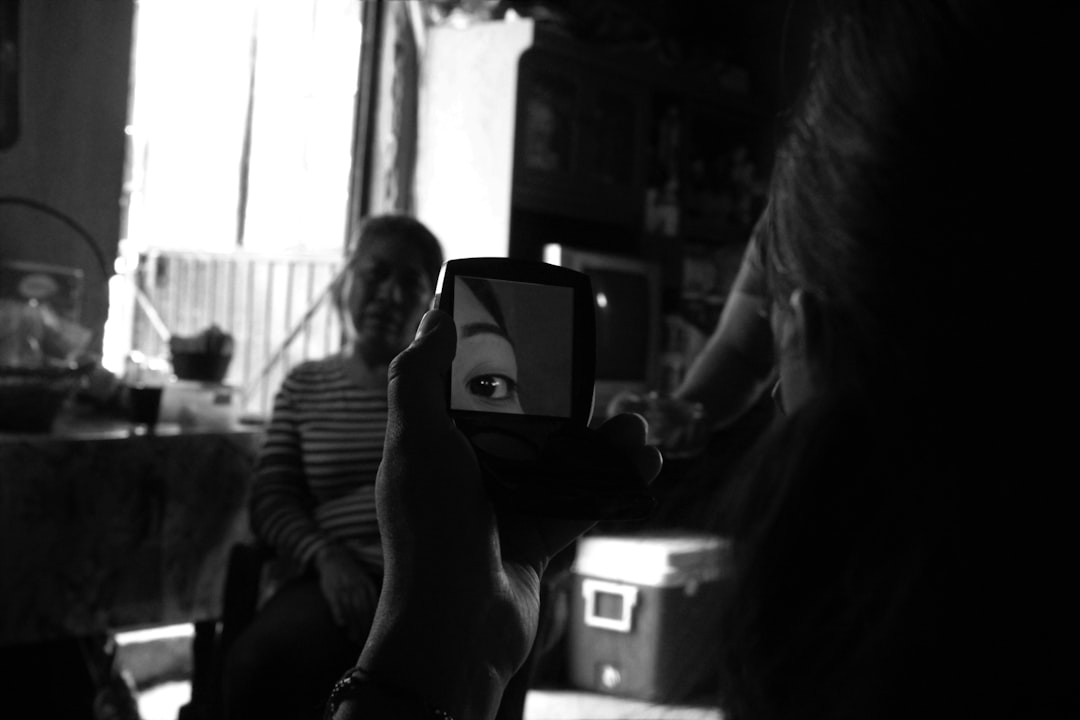

“I was so good at pretending I was fine that even I believed it. Until my body started keeping score.”
Sis, let’s talk about the kind of depression that doesn’t look like depression. The kind that shows up in women who have 4.0 GPAs, lead three clubs, have a packed LinkedIn profile, and still show up to brunch with a smile. You know the one. You might be living it right now, and that’s exactly why we need to have this conversation.
Here’s the thing about depression in high-achieving women — it’s sneaky. It doesn’t look like what they show in movies. You aren’t necessarily crying in the shower or unable to get out of bed. Instead, you’re running on fumes, checking boxes, and wondering why everything feels so heavy even though you’re “winning.” That is depression wearing a mask of productivity, and it is more common than you think.
Nearly 1 in 5 women will experience depression in their lifetime, but for high-achieving young women, that number is actually higher because we are conditioned to hide it. Yeah, that is wild, right? Let that sink in. We are literally taught that struggling is not an option, so we stuff it down and keep going. But your mind and body are not fooled.
Why Your “Hustle” Might Actually Be Depression in Disguise
You are probably reading this and thinking, “But I’m fine. I’m just tired. I’m just stressed. Everyone feels this way.” And listen, I get it. I said the exact same thing when I was in college, pulling all-nighters, juggling a part-time job, and trying to keep up with friends who seemed to have it all together. But here is what nobody told me: there is a difference between healthy stress and depression that is hiding behind your achievements.
Depression in high-achieving women often looks like perfectionism. You set impossibly high standards, and when you inevitably fall short, you beat yourself up. It looks like overworking because if you stop, the thoughts catch up. It looks like saying “I’m fine” so many times that even you start to believe the lie. But your body knows. Your sleep knows. Your appetite knows. That constant feeling of being “off” even when everything looks right? That is depression whispering.
Here are some signs that your “grind” might actually be depression that needs attention:
You feel empty instead of sad. That hollow feeling in your chest that doesn’t go away no matter what you achieve. You are winning awards, getting promotions, acing exams, but you feel nothing. That numbness is a classic sign of depression that a lot of young women miss because they think depression = crying all the time.
You are exhausted but can’t sleep. Your brain is running at 2 AM, replaying every mistake you made today, planning tomorrow’s to-do list, worrying about things that haven’t even happened. That is depression mixed with anxiety, and it is exhausting. You are running on 4 hours of sleep and caffeine, and you think that is normal. It is not.
You have lost interest in things you used to love. That hobby you were obsessed with? It feels like a chore now. Hanging out with friends? You cancel last minute because the thought of putting on a happy face is too much. You tell yourself you’re just “busy” or “growing out of things,” but deep down, you know something shifted. That is depression stealing your joy, one activity at a time.
💡 Quick Tip
Take the PHQ-9 depression screening test for free online. It’s the same one doctors use. Be honest with yourself when you take it. If your score is 10 or higher, that is a sign you need to talk to someone. You can find it at Mental Health America’s screening tool.
The Pressure Cooker: Why Young Women Are Crashing
Let me get real with you for a second. The pressure you are under right now is not normal. Social media shows you highlight reels while you are comparing your behind-the-scenes. Your parents might be pushing you to be the “success story” of the family. Your professors or bosses expect excellence every single time. And somewhere in the middle of all that, you forgot that you are a human being, not a human doing.
Depression thrives in this environment. It grows in the soil of “not enough.” Not pretty enough, not smart enough, not productive enough, not successful enough. And the cruelest part? Depression makes you believe you are the problem. That if you just tried harder, you would feel better. But that is a lie that keeps you stuck.
I remember being in my junior year of college, working two internships, taking 18 credits, and trying to maintain a social life. I was the girl everyone said “had it together.” But I was falling apart. I would sit in my car between classes and just stare at the steering wheel for 20 minutes. I stopped eating lunch because I “didn’t have time.” I lost 15 pounds without trying. And I told myself I was just being disciplined. Looking back, that was depression. Plain and simple.
The scariest part? Nobody noticed because I was still performing. I still got A’s. I still showed up to meetings. I still smiled in photos. That is the danger of high-functioning depression — you can be drowning and still waving at everyone like you are fine.
70% of young women say they feel pressure to appear “fine” even when they are struggling mentally. You are not alone in this.
What Actually Works for Depression (Real Talk, Not Fluff)
Okay, so now that we have named the beast, let’s talk about what actually helps. Not the “just think positive” nonsense. Not the “go for a walk and you’ll feel better” advice from people who have clearly never experienced depression. I am talking about real, actionable things that actually move the needle when you are in the thick of it.
First, you need to understand that depression is a medical condition, not a character flaw. Your brain chemistry is literally out of balance. You wouldn’t tell someone with a broken leg to “just walk it off,” so stop telling yourself to “just snap out of it.” This is not about willpower. This is about rewiring your brain and getting the support you need.
Therapy works. I know, I know — it is expensive, it is scary, you don’t have time. But listen to me: your tuition, your job, your relationships — none of it matters if you are not here to enjoy it. Most colleges offer free counseling sessions. If you are working, check if your employer has an Employee Assistance Program (EAP) — they often cover 6-8 free therapy sessions. There are also apps like BetterHelp and Talkspace that are more affordable than traditional therapy. You can start with one session and see how it feels. You do not have to commit to a lifetime of therapy, but you owe it to yourself to try.
💊 What Works: The Depression and Bipolar Workbook – This is not a self-help book that tells you to “manifest” your way out of depression. It is a clinically-backed workbook with actual exercises to track your moods, challenge negative thoughts, and build coping skills. Perfect for the overthinker who needs structure.
Medication is also an option, and there is no shame in it. I know women who were terrified to try antidepressants because they thought it would change who they are. But here is the truth: depression changes who you are. Medication can help you get back to yourself. Talk to a psychiatrist or your primary care doctor. They can help you figure out if it is right for you.
But here is the thing that nobody talks about: the small, boring, unsexy habits are what actually build the foundation for healing. Depression makes you want to do nothing, so you have to start with the absolute minimum. Set a timer for 5 minutes and just sit outside. Eat one meal that has protein in it. Drink one glass of water. Text one friend “hey, thinking of you.” These tiny wins rebuild the neural pathways that depression has worn down.
Why This Approach Works:
✅ It meets you where you are — no toxic positivity, just real steps
✅ It addresses both the chemical and behavioral sides of depression
✅ It gives you control back when depression makes you feel powerless
The Truth Nobody Tells You About Depression and Success
Here is the part that might sting a little, but I am telling you because I love you. Your achievements will not heal your depression. That promotion will not fix it. That A+ will not fill the hole. That new relationship will not make the emptiness go away. I know you think “if I just get to X, I will finally be happy.” But depression does not work that way. It follows you up the ladder. It sits next to you at the top. And then you look around and think, “I got everything I wanted. Why do I still feel like this?”
That is the moment when a lot of high-achieving women crash. Because they realize that the thing they were chasing was never going to save them. And that is a painful realization. But it is also a freeing one. Because once you stop trying to achieve your way out of depression, you can actually start healing.
“You are not a machine that broke. You are a human who has been carrying too much for too long. Rest is not a reward you have to earn. It is a necessity.”
The truth is, some of the most successful women in the world have struggled with depression. Serena Williams. Lady Gaga. Kristen Bell. Michael Phelps. They have all spoken openly about their mental health struggles. And you know what they all have in common? They got help. They stopped pretending. They let people in. That is not weakness — that is the strongest thing you can do.
And here is another truth: you might need to reevaluate what “success” means to you. If your definition of success is running yourself into the ground to meet someone else’s expectations, then success will always feel like failure. Real success is building a life that you actually want to live. A life where you have time to breathe. A life where you can feel joy, not just productivity. A life where depression does not run the show.
This is the kind of stuff women talk about inside TechMae every single day. No judgment, just real ones keeping it real.
Related: This post is a must-read for women on their journey to reclaiming their self-worth outside of achievements.
Start Here: One Thing You Can Do Right Now
I know that reading all of this might feel overwhelming. You might be thinking, “Okay, great, now I know I have depression. Now what?” And I get it. The gap between knowing and doing is the hardest part. So let me give you one thing you can do in the next 24 hours that will actually move the needle.
Send this text to one person you trust: “Hey, I’ve been going through something and I don’t really know how to talk about it. Can I be honest with you?” That is it. You do not have to have the whole conversation figured out. You do not have to have the right words. You just have to open the door. Because depression thrives in isolation. The moment you speak it out loud, it loses some of its power over you.
If you do not have someone you can text, write it down. Open your notes app and write one sentence about how you are actually feeling. Not the polished version. The real version. “I feel empty.” “I am tired of pretending.” “I am scared that this will never get better.” Getting it out of your head and onto the page is the first step toward processing it.
Why This Works:
✅ It breaks the isolation that depression depends on
✅ It validates your experience without requiring you to have answers
✅ It creates accountability — once you say it out loud, it becomes real and you can actually start addressing it
You might also love this article — one of our most shared, about how journaling can help you untangle the thoughts that depression makes so messy.
And listen, if you are reading this and thinking “I don’t have depression, but I know someone who does” — send this to her. She might not have the words to ask for help, but she will read this and feel seen. That is how change starts. One person feeling like they are not alone.
Depression is real. It is hard. It is confusing. But it is not the end of your story. You are not broken. You are not weak. You are a high-achieving woman who has been carrying too much for too long, and it is okay to put some of it down. It is okay to ask for help. It is okay to not be okay. And it is definitely okay to take up space while you figure it out.
You are not behind. You are not alone. And you have a whole community of women who have been exactly where you are and made it through. Keep going. One step at a time. One breath at a time. One honest conversation at a time.
This Is Your Sign to Stop Doing It Alone
Women inside TechMae have been exactly where you are. They are having these conversations every single day — about depression, anxiety, pressure, and how to actually feel better. No judgment. No toxic positivity. Just real ones keeping it real.