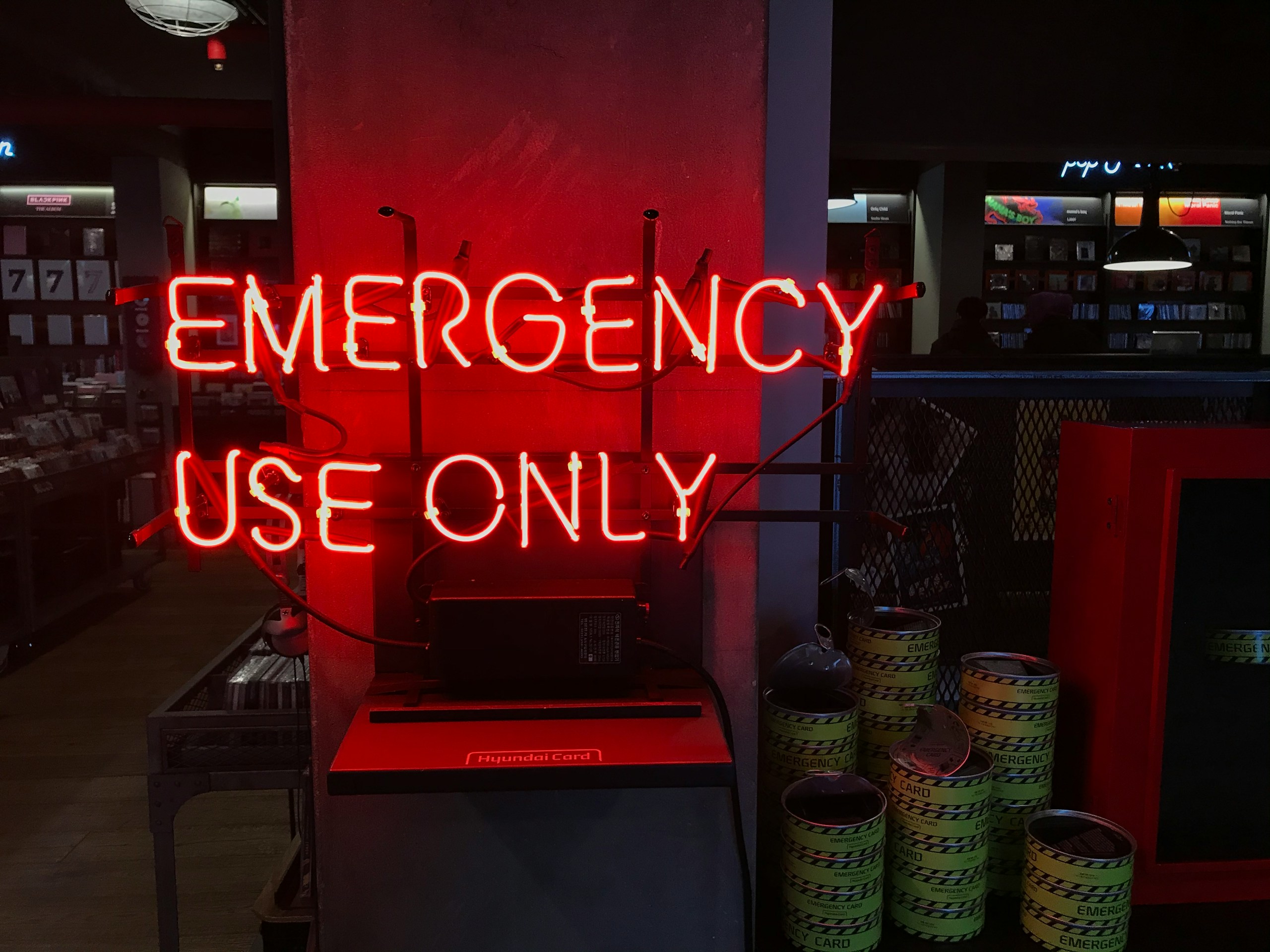

“Your emergency fund is for the disaster you can’t predict. Sinking funds are for the expenses you KNOW are coming — and keep pretending you don’t.”
Sis, let me ask you something. When was the last time you got hit with a bill you knew was coming — and still weren’t ready for? Car registration. That annual insurance premium. The holidays. The trip you already agreed to. And suddenly you’re stressed, scrambling, or swiping a card you swore you wouldn’t touch. That’s not a money problem. That’s a sinking funds problem.
Sinking funds are one of those money tools nobody sat you down and explained. They’re not glamorous. They don’t trend on TikTok. But they will change how you breathe at the end of the month. And once you get it, you’ll wonder how you ever lived without them.
So let’s talk about it. No judgment, no finance-bro jargon. Just the real breakdown of what sinking funds are, why you need them, and how to start with whatever you have right now.
What Are Sinking Funds, Really?
A sinking fund is money you set aside on purpose, bit by bit, for a specific expense you know is coming. That’s it. That’s the whole concept. You’re basically pre-paying your future self so she doesn’t get ambushed.
Here’s how it works in real life. Say your car insurance is $600 every six months. That’s a gut punch if you wait until the bill shows up. But if you put $100 a month into a sinking fund for it, that bill becomes a non-event. You just pay it. No panic, no credit card, no calling your mom.
The key difference between a sinking fund and an emergency fund? An emergency fund is for the unexpected — the layoff, the flat tire, the medical bill out of nowhere. A sinking fund is for the expected — the things you already know are on the calendar. Both matter. They’re just doing different jobs.
💡 Quick Tip
You don’t need a separate bank account for every sinking fund. Some banks let you create “buckets” or “vaults” inside one savings account. If yours doesn’t, a simple spreadsheet or even a notes app list works. The tracking matters more than the tool.
Why You Need Sinking Funds (Even If You’re Broke)
I know what you might be thinking. “I can barely cover my bills, and now you want me to save for Christmas in July?” I hear you. But here’s the thing — sinking funds are actually for people who feel broke. They’re the cheat code that makes you feel less broke.
When you don’t have sinking funds, every irregular expense feels like a crisis. You’re always in reaction mode. And reaction mode is expensive — late fees, interest charges, overdraft fees, the emotional toll of stressing over money you knew you’d need.
When you do have them, you’re in control. You’re not rich, but you’re prepared. And prepared feels a whole lot like peace.
Nearly 6 in 10 Americans can’t cover a $1,000 surprise expense. Let that sink in.
Yeah, that’s wild. But here’s the flip side — most of those “surprises” aren’t actually surprises. They’re predictable expenses we just didn’t plan for. Sinking funds close that gap.
What Deserves a Sinking Fund?
Anything that hits more than once a year, costs more than a normal monthly bill, or tends to wreck your budget when it shows up. Here are the ones most women I know start with:
Start With These Sinking Funds:
✅ Car expenses — insurance, registration, maintenance, tires
✅ Holidays and gifts — birthdays, Christmas, weddings, baby showers
✅ Travel — the trip you’re planning, the flight you’ll book, the Airbnb deposit
✅ Annual subscriptions — that software, that membership, that renewal you forget about
✅ Medical and dental — copays, glasses, the dentist visit you keep pushing off
✅ Big purchases — new laptop, new phone, furniture, the business equipment you need
You don’t have to start all of them at once. Pick the two that hurt the most last year. That’s where you begin.
Sinking Funds vs. Emergency Fund: Know the Difference
| Sinking Fund | Emergency Fund |
|---|---|
| ✅ For expenses you KNOW are coming | ✅ For the stuff you can’t predict |
| ✅ Has a specific purpose and timeline | ✅ Stays untouched until life happens |
| ✅ You spend it — that’s the point | ✅ You replenish it after you use it |
Both are essential. But if you’ve been trying to build an emergency fund and keep “borrowing” from it for car repairs and holiday gifts, that’s not an emergency — that’s a missing sinking fund.
💊 What Works: A dedicated budget planner notebook – sometimes writing your sinking funds down by hand makes them real in a way an app doesn’t. Pick one you actually like looking at.
What Actually Works: How to Start Your Sinking Funds
Okay, let’s get practical. Here’s the step-by-step so you can start today, not “someday when I have more money.”
Step 1: List your irregular expenses from the last 12 months. Go through your bank statements. What popped up that wasn’t a normal monthly bill? Car stuff, gifts, travel, annual fees, medical. Write them all down.
Step 2: Pick your top two or three. Don’t try to fund ten sinking funds at once. Start with the ones that caused you the most stress or debt last year.
Step 3: Do the math. If your car insurance is $600 twice a year, that’s $100 a month. If Christmas usually costs you $400, that’s about $34 a month. Divide the total by the months until you need it. That’s your monthly number.
Step 4: Automate it. Set up an automatic transfer from checking to savings on payday. Even $25 a paycheck. You won’t miss what you don’t see.
Step 5: Name it. Label that savings bucket “Car Insurance” or “Holiday Gifts.” When it has a name, you’re less likely to raid it for something random.
💡 Quick Tip
If money is tight, start with the smallest fund first. Funding a $200 birthday fund feels doable and gives you a quick win. Momentum matters more than perfection.
The Truth Nobody Tells You About Sinking Funds
Here’s the part that doesn’t get said enough. Sinking funds aren’t just a budgeting tool — they’re an anxiety reducer. They change your relationship with money from reactive to proactive.
When you know the car registration is already covered, you stop dreading the mail. When you know the holidays are handled, you actually enjoy them instead of stressing through them. That’s not just financial — that’s mental health.
“Sinking funds don’t just protect your money. They protect your peace. And your peace is not negotiable.”
And here’s another truth — nobody is too broke to start. Even $5 a week into a sinking fund is $260 a year. That’s a car registration. That’s a flight. That’s a bill you don’t have to panic about.
Common Mistakes to Avoid
Mistake one: treating your sinking fund like an emergency fund. If you’re pulling from it for stuff you didn’t plan for, you’ve blurred the lines. Keep them separate.
Mistake two: starting too many at once. You’ll get overwhelmed and quit. Two or three is plenty to begin.
Mistake three: not naming them. “Savings” is too vague. “New Tires Fund” tells you exactly what it’s for and keeps you honest.
Mistake four: waiting until you “have more money.” You’ll always feel like you don’t have enough. Start with what you have. Adjust later.
This is the kind of stuff women talk about inside TechMae every single day. No judgment, just real ones keeping it real.
Related: This post is a must-read for women on their journey.
Start Here
You don’t need a finance degree or a perfect budget. You just need to start. Pick one expense that wrecked you last year. Open a savings account or a bucket. Set an automatic transfer for whatever you can afford — $10, $25, $50. Name it. Then let it grow.
Your First Sinking Fund in 5 Steps:
✅ Pick ONE expense that stressed you out last year
✅ Divide the total by how many months until it’s due
✅ Open a separate savings bucket and name it
✅ Set up an automatic transfer on payday
✅ Leave it alone until the bill comes — then pay it with zero stress
You might also love this article – one of our most shared.
This Is Your Sign to Stop Doing It Alone
Women inside TechMae have been exactly where you are. Come find your people.