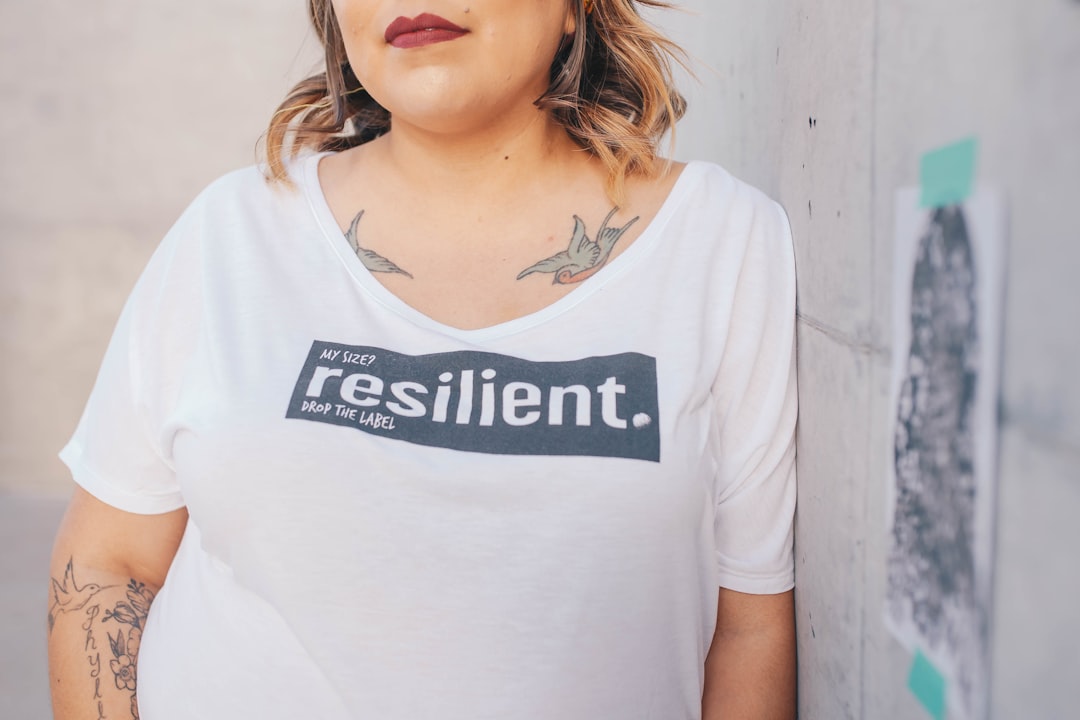

“I was tired of hating every photo my roommate took of me. So I stopped starving myself and actually learned how to eat. And yeah — the scale moved.”
Okay, let’s talk about the meal plan that actually helped me lose 20 pounds. Not the kind that makes you cry over a plate of plain chicken and broccoli. Not the kind that has you googling “can I survive on coffee and spite” at 2pm. I’m talking about a real, sustainable meal plan that fit into my chaotic life as a broke college student with a part-time job and a social life I refused to give up.
Girl, I tried everything before this. The 30-day juice cleanse that had me snapping at my roommate over a dropped sock. The keto thing that made me so constipated I thought I’d need a medical intervention. The “just eat less” advice from my gym bro cousin who has never had a stress-eating session over tuition bills. None of it worked. Not because I lacked willpower — but because none of those plans were built for a real human woman with real cravings and a real budget.
So when I say this meal plan changed things, I mean it. I lost the weight without losing my mind. I kept it off. And I’m going to tell you exactly how I did it — no gatekeeping, no fluff, just the real shit.
Why Every Diet You’ve Tried Has Failed You
Here’s the thing nobody tells you: most meal plans are designed by people who have never had to worry about money, time, or their mental health. They assume you have a full kitchen, a personal chef, and zero emotional attachment to cheese. That’s not real life. Your real life involves a 9am class, a shift at the coffee shop, a group project with people who don’t pull their weight, and a fridge that has exactly three condiments and a half-eaten bag of shredded cheese.
I remember sitting in my dorm sophomore year, staring at a “clean eating” Pinterest board, feeling like a failure because I couldn’t afford $12 avocados. Meanwhile, the girl next door was losing weight on some crash diet she found on TikTok, and I was just… stuck. That’s when I realized the problem wasn’t me. The problem was the meal plan I was trying to follow. It wasn’t built for my life.
So I built my own. And I’m going to walk you through it step by step.
💡 Quick Tip
Before you start ANY meal plan, take a photo of everything you eat for three days. Don’t change anything. Just observe. You’ll spot patterns — like how you only binge after 10pm when you’re stressed about your internship applications. Awareness is step one.
The Meal Plan That Actually Worked (And Didn’t Suck)
Alright, here’s the structure. This meal plan is built around three things: protein, fiber, and something I call the “80/20 rule.” 80% of the time, you eat foods that fuel you. 20% of the time, you eat the pizza and cookies and whatever else your soul craves. No guilt. No shame. Because a meal plan that doesn’t allow for your best friend’s birthday dinner or a late-night Taco Bell run is a meal plan you’re going to quit by week two.
Here’s what a typical day looked like for me:
Breakfast (7am): Two scrambled eggs with a handful of spinach and a slice of whole wheat toast. Or, if I was running late (which was every day), a protein shake with almond milk and a banana. The key? Protein within 30 minutes of waking up. It stabilizes your blood sugar and stops the 10am vending machine cravings.
Lunch (12pm): A “bowl” situation. Think: quinoa or brown rice, a protein (chicken, tofu, or canned tuna), roasted veggies, and a sauce I actually liked (usually a yogurt-based dressing or hot sauce). I’d meal prep these on Sundays — five bowls, five days, done. This single step saved me $200 a month on takeout and probably 5 pounds by itself.
Snack (3pm): Apple with peanut butter, or Greek yogurt with berries. Something with fiber and protein to get me through that 3pm slump when I wanted to buy a vending machine cookie.
Dinner (7pm): Protein + veggie + carb. Salmon with roasted broccoli and sweet potato. Ground turkey stir-fry with bell peppers and rice. A big-ass salad with chickpeas, feta, and a homemade vinaigrette. Nothing fancy. Just real food.
💊 What Works: Orgain Organic Protein Powder – This was my breakfast lifesaver. One scoop, almond milk, banana, ice. Takes 2 minutes. Keeps me full until lunch. No chalky taste, no weird aftertaste. It’s the only protein powder I’ve actually finished the tub on.
80% of weight loss happens in the kitchen, not the gym. Yeah, that’s real. Let it sink in.
The Truth Nobody Tells You About Meal Plans
Listen, I’m going to be real with you. The first week of this meal plan was hard. Not because the food was bad — it was actually delicious. But because I had to unlearn years of diet culture nonsense. I had to stop believing that hunger was a virtue and that being full meant I was failing. I had to sit with the discomfort of not knowing what to eat without a set of rules telling me exactly what to do.
The second week got easier. By the third week, I wasn’t even thinking about it. My body started craving the good stuff. I stopped waking up bloated. My skin cleared up. My energy levels stopped crashing at 2pm. And the scale? It started moving. Slowly at first, then faster. I lost 8 pounds in the first month, and then it was a steady 2-3 pounds per week after that.
But here’s what nobody on Instagram tells you about a meal plan: it’s not just about the food. It’s about why you’re eating in the first place. I had to ask myself hard questions. Why was I stress-eating after my toxic situationship texted me? Why did I feel the need to finish my entire plate at dinner even when I was full? Why did I associate “treating myself” with a entire sleeve of Oreos?
That’s the work that actually made the weight stay off. The meal plan was just the vehicle. The real transformation happened in my head.
“A meal plan isn’t a punishment. It’s permission to finally take care of yourself the way you deserve.”
What I Wish Someone Had Told Me Before I Started
Okay, I’m about to drop some knowledge that would have saved me months of trial and error. Ready?
1. Your meal plan needs to be flexible. If you’re the type of person who gets bored eating the same thing every day (me), build in variety. Have 3-4 breakfast options, 3-4 lunch options, and rotate. I had a “Mexican week” and an “Italian week” and an “Asian week.” Same structure, different flavors. Kept me from quitting.
2. You don’t need to count calories. I know, I know, everyone says you do. But for me, calorie counting triggered my worst disordered eating habits. Instead, I focused on portions. Half your plate should be veggies, a quarter protein, a quarter carbs. That’s it. No app required.
3. Drink water like it’s your job. I started carrying a 40oz water bottle everywhere. I’d fill it twice a day. That alone killed my cravings, cleared my skin, and made me feel less bloated. Half the time when you think you’re hungry, you’re actually thirsty. Try it. Drink a full glass of water and wait 10 minutes before you eat.
4. Sleep is part of the meal plan. When I was getting less than 6 hours of sleep, I craved carbs like crazy. Your body produces more ghrelin (the hunger hormone) when you’re sleep-deprived. So if you’re following a perfect meal plan but sleeping 5 hours a night, you’re fighting an uphill battle. Prioritize sleep. Your waistline will thank you.
| What I Did Wrong Before | What Actually Worked |
|---|---|
| ❌ Skipped breakfast to “save calories” | ✅ Ate protein within 30 min of waking |
| ❌ Drank diet soda all day | ✅ Switched to sparkling water with lemon |
| ❌ Ate out 5x a week | ✅ Meal prepped 5 lunches on Sunday |
| ❌ Weighed myself every morning | ✅ Weighed once a week, same day, same time |
How to Make This Meal Plan Work on a College Budget
I know what you’re thinking. “This sounds expensive.” Girl, I was living on $50 a week for groceries. And I made it work. Here’s how:
Buy in bulk. Rice, oats, frozen veggies, canned beans, and frozen chicken breasts. These are your best friends. A 10-pound bag of rice costs like $8 and lasts a month. Frozen broccoli is cheaper than fresh and just as nutritious.
Shop at Aldi or Lidl. If you have one near you, go. The same groceries that cost $60 at a regular store cost $35 at Aldi. The quality is fine. The savings are real.
Use your campus meal plan if you have one. Most dining halls have salad bars, grilled chicken, and steamed veggies. You don’t need to cook everything from scratch. Just make smarter choices in the cafeteria.
Why This Meal Plan Works:
✅ It’s flexible. You can swap proteins, veggies, and carbs based on what’s on sale or what you’re craving.
✅ It’s sustainable. You’re not cutting out entire food groups. You’re just eating more of the good stuff.
✅ It’s realistic. This meal plan accounts for real life — late nights, social events, and the occasional pizza binge.
✅ It’s affordable. No fancy superfoods, no $15 smoothies. Just real food from a real grocery store.
What Happened When I Actually Stuck With It
I’m not going to sit here and tell you I was perfect. There were weeks I fell off. There was a whole month during finals where I lived on coffee and granola bars. But the difference this time was that I knew how to get back on track. The meal plan wasn’t a punishment I had to earn my way back into. It was a tool I could pick up whenever I was ready.
By month three, I had lost 15 pounds. By month five, I hit 20. And the funny thing? I stopped caring about the number on the scale. I cared more about how I felt. I had energy to actually go to the gym. My brain fog cleared up. I stopped having those 3pm crashes where I’d fall asleep in the library. I felt like myself again — just a version that actually took care of herself.
And yeah, the compliments were nice. But the best part? I stopped hating my body. I stopped looking in the mirror and picking myself apart. I started seeing all the things my body could DO — carry me through a 12-hour day, lift me through a workout, keep me alive and healthy. That shift in perspective was worth more than any weight loss.
This is the kind of stuff women talk about inside TechMae every single day. No judgment, just real ones keeping it real.
Related: This post is a must-read for women on their journey.
Start Here
Okay, you’ve read all this. Now what? Here’s your one action step for today: Write down one meal you can prep this weekend. Just one. Maybe it’s a batch of overnight oats for the week. Maybe it’s chopping up veggies so you can grab them when you’re hungry. Maybe it’s buying that protein powder I recommended. One step. That’s all it takes to start.
Don’t try to overhaul your entire life in one day. That’s how burnout happens. Just pick one small change, do it consistently for a week, and then add another. Before you know it, you’ll have built a meal plan that actually works for your life — not the other way around.
You might also love this article – one of our most shared.
This Is Your Sign to Stop Doing It Alone
Women inside TechMae have been exactly where you are. Come find your people — the ones who get it, who won’t judge you for eating a whole pizza on a bad day, and who will cheer you on when you crush your goals.
You’ve got this, sis. And I’ve got your back. Now go eat something that makes you feel good — body and soul.