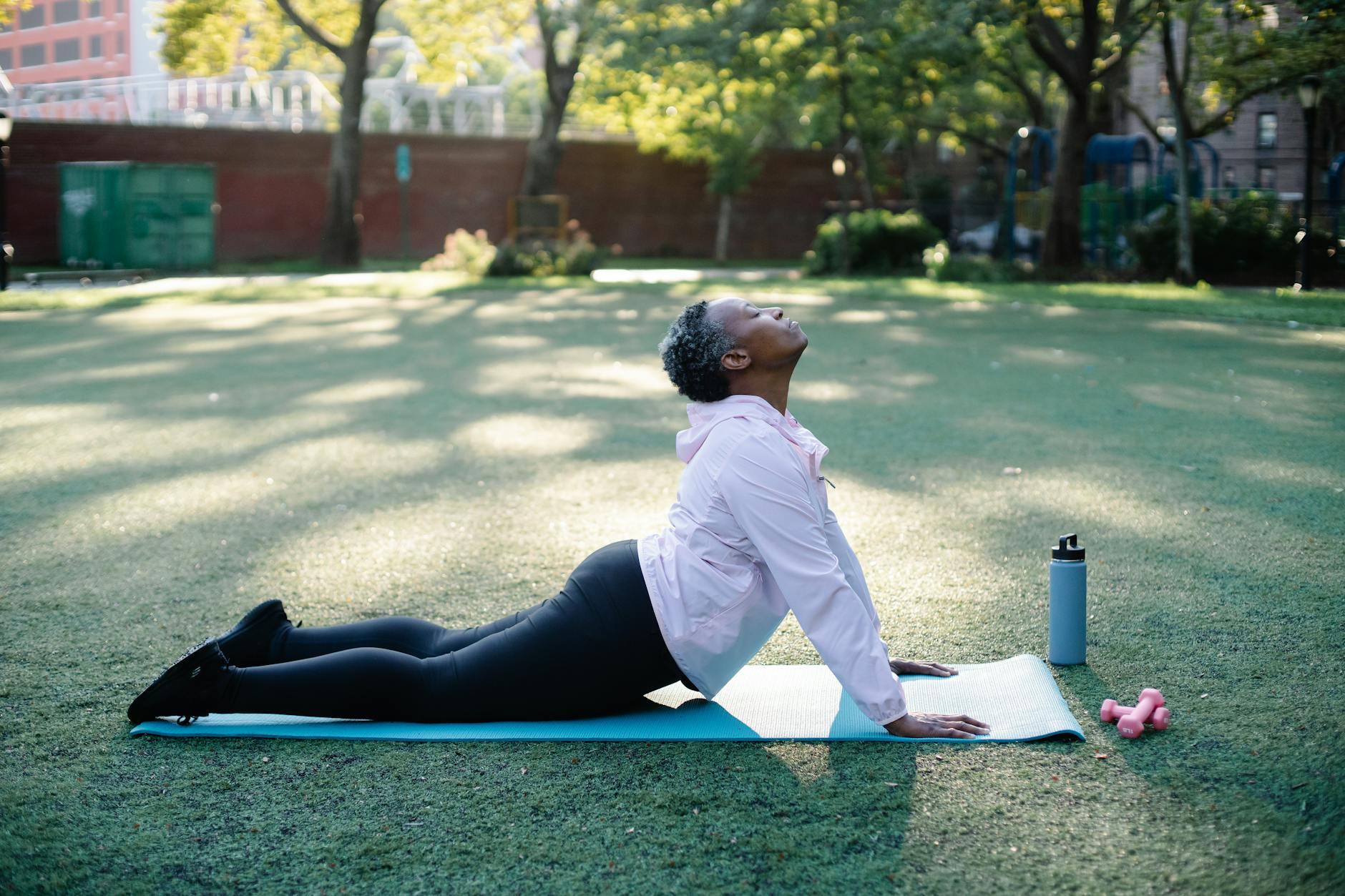

“The voice in your head that tells you you’re not enough? That’s not the truth. That’s just a habit you learned. And habits can be unlearned.”
Sis, let me ask you something real. When was the last time you said something to yourself that you would NEVER say to your best friend? Because that right there is the core of self-criticism — and it is quietly wrecking your confidence, your decisions, and your peace. You are out here being your own bully while wondering why you feel exhausted all the time.
I get it. I have been there too. That voice that tells you your GPA is not high enough, your body is not right, your career is behind everyone else’s. It feels like it is “keeping you honest” or “motivating you.” But girl, let me tell you something: self-criticism is not a productivity tool. It is a cage. And you have been living in it rent-free for way too long.
Here is the thing nobody tells you: the way you talk to yourself literally changes your brain chemistry. When you constantly engage in harsh self-criticism, your brain treats it like a threat. Your cortisol spikes. Your amygdala goes into overdrive. You are basically keeping your nervous system in fight-or-flight mode 24/7 — and then wondering why you feel anxious, stuck, and burned out. Let that sink in for a second.
Why Your Brain Loves Self-Criticism (Even Though It Hurts)
Here is the messed up part: your brain actually thinks self-criticism is protecting you. It is a survival mechanism that goes way back. Your brain figures, “If I criticize myself first, nobody else can hurt me with it.” Or, “If I point out every flaw, I can fix them before anyone notices.” It is like having a bodyguard who keeps punching you in the face to “prepare” you for a fight that never comes.
Think about the last time you messed up. Maybe you bombed a presentation. Maybe you sent the wrong text to the wrong person. Maybe you got a C on an exam you studied for. What did your brain say? Was it “That sucks, but I can do better next time”? Or was it “I am so stupid. I always mess up. Everyone thinks I am a failure”? If it was the second one, you are not alone. About 85% of people struggle with chronic self-criticism — and women are disproportionately affected because of social pressure to be “perfect” in every area of life.
💡 Quick Tip
Next time you catch yourself in a spiral of self-criticism, say this out loud: “I am not my thoughts. I am the one noticing my thoughts.” That tiny shift creates space between you and the criticism. Try it right now. Say it. Feel the difference?
The problem is that most of us have been doing this for so long that self-criticism feels like our default setting. It feels “normal.” It feels like it is just who we are. But it is not who you are — it is a pattern you learned. And patterns can be rewritten. Your brain is neuroplastic, which means every time you choose a kinder thought, you are literally building new neural pathways. Science backs this up big time.
The Cost of Constant Self-Criticism
Let me get real with you about what self-criticism is actually costing you. It is not just making you feel bad in the moment. It is stealing from your future. When you are constantly criticizing yourself, you stop taking risks. Why would you apply for that internship if you already told yourself you are not qualified? Why would you ask out that person you like if your inner voice already said they would reject you? Why would you start that side hustle if you convinced yourself it will fail?
Self-criticism keeps you small. It keeps you in jobs you have outgrown, relationships that drain you, and a life that feels two sizes too small. It is the reason you are scrolling through Instagram feeling like everyone else has it figured out while you are still figuring out how to do your taxes. And the worst part? You think being hard on yourself is the only way to stay motivated. But study after study shows that self-compassion actually leads to higher achievement than self-criticism does.
People who practice self-compassion are 30% more likely to achieve their goals than people who rely on self-criticism.
Yeah, that stat is wild. Let it sink in. Being kind to yourself is not soft. It is strategic. It is the cheat code that high achievers use without telling anyone. Because when you are not wasting energy fighting yourself, you have way more energy to actually go after what you want.
How Self-Criticism Shows Up in Your Real Life
Let me paint you a picture of what self-criticism actually looks like in your day-to-day. Because it is sneaky. It does not always show up as “I hate myself.” Sometimes it shows up as:
– You spend 45 minutes picking an outfit because nothing feels “good enough”
– You reread a text message 12 times before sending it because you are terrified of sounding dumb
– You compare your chapter 1 to someone else’s chapter 20 and feel like a failure
– You avoid asking for a raise because you think you do not “deserve” it yet
– You scroll through LinkedIn and feel a pit in your stomach because everyone seems ahead of you
– You cancel plans because you feel like you are “too much” or “not enough” for your friends
Does any of that sound familiar? Because I have done every single one of these things. And I promise you, the women you look up to have too. That girl with the 4.0 and the perfect internship? She has cried in her bathroom over self-criticism more times than you know. The difference is she learned how to talk back to that voice. And you can too.
💊 What Works: The Self-Compassion Workbook by Dr. Kristin Neff – This is not some fluffy journal. It is based on 20 years of research and has actual exercises that rewire how you talk to yourself. I recommend it to every woman I mentor.
What Actually Works to Stop Self-Criticism
Okay, so we have established that self-criticism is a problem. Now let us talk about what actually helps. Not the “just think positive” garbage that makes you want to throw your phone across the room. Real, tactical, neuroscience-backed steps that you can start using today.
Step 1: Name the voice. When that critical voice starts up, give it a name. I call mine “Greta.” She is the mean girl from high school who never grew up. When I hear her starting, I literally say, “Okay Greta, I hear you. But I am not taking advice from someone who has never built anything.” Naming it separates you from the thought. You are not your self-criticism. You are the one noticing it.
Step 2: Ask yourself one question. When you catch yourself in a spiral, pause and ask: “Would I say this to my best friend?” If the answer is no, you are not allowed to say it to yourself. Period. That is the rule. Your inner dialogue should meet the same standard you hold for how you treat people you love.
Step 3: Reframe the criticism as data, not identity. Instead of “I am a failure because I failed that exam,” try “I failed that exam. That is information. It tells me I need to study differently or ask for help.” See the difference? One makes you a failure. The other makes you a person who had a setback. Self-criticism turns mistakes into identity. Self-compassion turns them into feedback.
Step 4: Do a “self-criticism audit.” For one day, write down every critical thought you have about yourself. Just notice it. Do not try to change it yet. At the end of the day, look at the list. Ask yourself: “How many of these are actually true? How many are fears dressed up as facts?” You will be shocked at how many are just noise.
Why This Works:
✅ It creates distance between you and the thought — you stop identifying with the criticism
✅ It rewires neural pathways — every time you choose a kinder thought, you weaken the old pattern
✅ It builds self-trust — when you stop attacking yourself, you actually start believing in yourself
The Truth Nobody Tells You About Self-Criticism
Here is the thing nobody wants to admit: sometimes self-criticism feels good. It feels safe. It feels familiar. Because if you criticize yourself first, nobody can blindside you with it. You control the narrative. You are the one doing the hurting, so it feels like you are in control. But that is an illusion. You are not in control — you are just the one holding the whip.
The real truth is that stopping self-criticism is uncomfortable at first. When you stop beating yourself up, you might feel empty. You might feel like you are “letting yourself off the hook.” That is normal. That is withdrawal from a habit you have had for years. But on the other side of that discomfort is something way better: actual freedom. The kind of freedom where you can mess up and not spiral. Where you can try something new and not be paralyzed by fear of failure. Where you can look in the mirror and not immediately find something wrong.
“The way you talk to yourself becomes the way you live your life. Choose your words like you are choosing your future.”
I want you to think about what your life would look like if you stopped being your own worst critic. What would you try? Who would you talk to? What opportunities would you go after? That version of you is not some distant fantasy. She is one decision away. One thought away. One moment of choosing kindness over criticism away.
And listen, I am not saying you will never have a critical thought again. That is not realistic. What I am saying is that you can stop letting those thoughts run your life. You can learn to hear them, acknowledge them, and then choose a different path. That is what self-compassion is. It is not about being perfect. It is about being on your own team.
This is the kind of stuff women talk about inside TechMae every single day. No judgment, just real ones keeping it real. We talk about the self-criticism that nobody warns you about. The imposter syndrome that hits at 2 AM. The feeling of being behind when you are actually exactly where you need to be.
Related: This post is a must-read for women on their journey. It breaks down exactly how to build real confidence — not the fake it till you make it kind, but the kind that actually sticks.
Start Here
Here is your one action for today. I want you to do something that might feel weird at first. I want you to write a letter to yourself from the perspective of someone who loves you unconditionally. It could be your future self, your best friend, or a version of you who has already healed from self-criticism. What would they say to you right now? What would they remind you of?
Keep that letter somewhere you can see it. Read it every morning for the next week. Notice how it changes the way you start your day. Notice how the self-criticism gets a little quieter each time. That is not magic. That is neuroplasticity at work. You are literally building a new default.
Your Self-Criticism Antidote Kit:
✅ One sentence you say to yourself every morning (example: “I am learning, and that is enough.”)
✅ One person you can text when the voice gets loud (make it someone who gets it)
✅ One boundary you set with yourself (example: “I will not compare my chapter 1 to someone else’s chapter 20”)
You might also love this article – one of our most shared. Because when you stop beating yourself up, you suddenly have all this energy to actually build something. And that is exactly what we are here to help you do.
This Is Your Sign to Stop Doing It Alone
Women inside TechMae have been exactly where you are. Come find your people. The ones who will tell you the truth, hold you accountable, and remind you that you are not behind — you are on your own path.