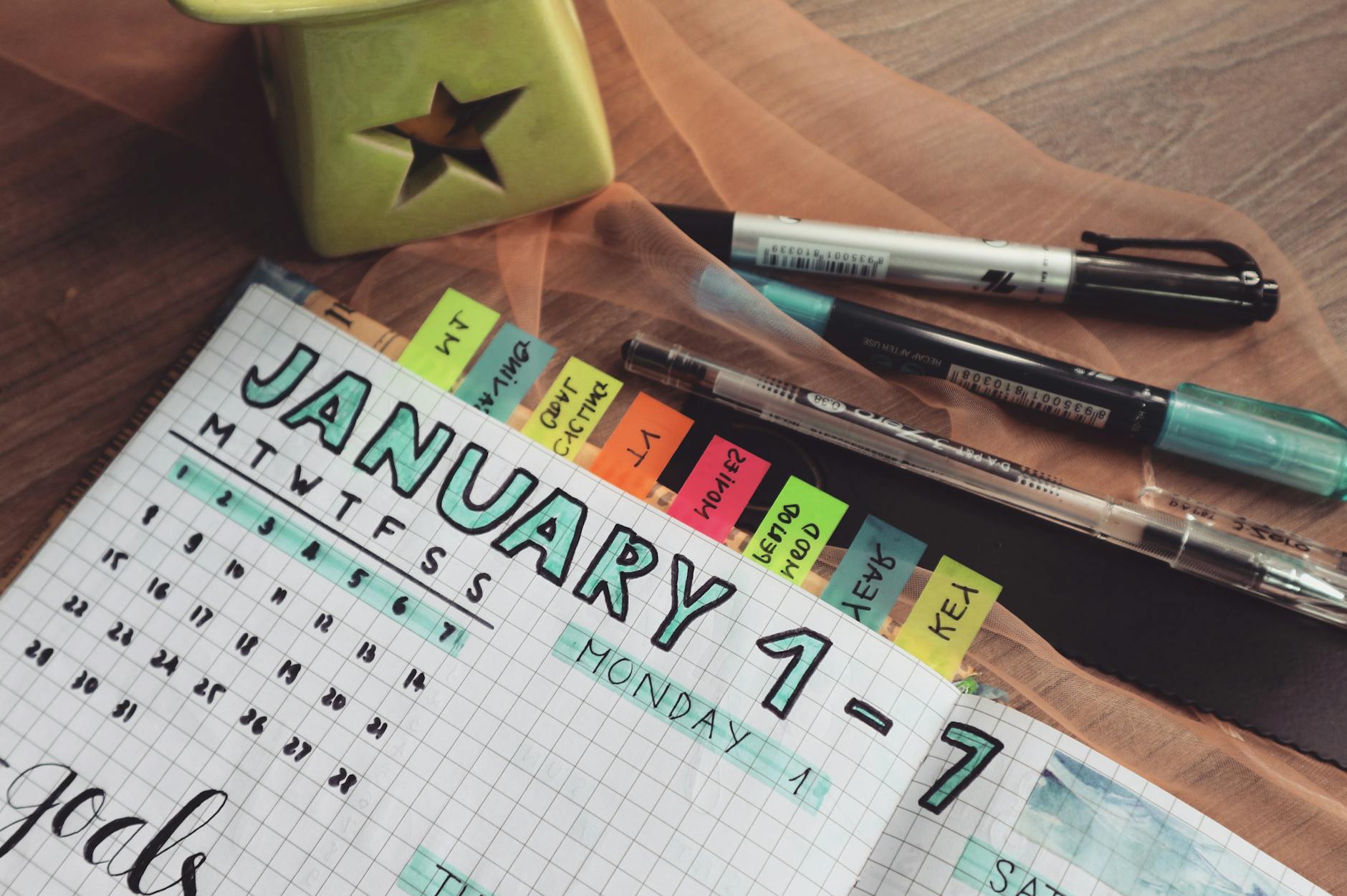

“It wasn’t that I didn’t know how to budget. It was that my budget lived in my head, and my head was tired.”
Sis, I need to tell you about the day I finally admitted my budget planner was not working. I had the app, I had the spreadsheet, I had the notes on my phone — and I was still swiping my card at Target like I had a sponsorship deal.
Then I tried the cash envelope method. Within 30 days, I had $500 more in my account than I usually did at the end of the month. Not because I got a raise. Not because I stopped living. Because I could finally SEE my money instead of guessing at it.
If your budget planner has become another thing you feel guilty about, keep reading. This one’s for you.
Why Your Budget Planner Isn’t Working (And It’s Not You)
Here is the thing nobody tells you: most budgeting tools are built for people who already have self-control around money. The rest of us need friction. We need to feel the limit, not just see a number on a screen.
When your budget planner is a digital dashboard, spending feels abstract. You tap, you pay, you move on. By the time you check the app, the damage is done and you’re doing math in your head trying to figure out where it all went.
The cash envelope method flips that. You take your money out of the bank, you divide it into categories, and when the envelope is empty, you’re done. No overdraft. No surprise. No shame spiral on the 28th of the month.
💡 Quick Tip
Start with only 3 envelopes: groceries, eating out, and personal spending. Don’t try to cash-out your entire budget planner in week one. Three categories is enough to feel the shift.
How the Cash Envelope Method Actually Works With a Budget Planner
Here’s the setup. You keep your bills and fixed expenses on autopay — rent, utilities, subscriptions, savings transfers. Those don’t need envelopes because they’re not where you overspend.
Then you take the money you’d normally swipe for variable spending and pull it out in cash. Groceries. Coffee. Takeout. Target runs. Nails. Whatever your weak spots are. Each category gets its own envelope, and that envelope is the limit.
Your budget planner still matters here — it’s where you track the numbers and plan the amounts. But the envelopes are what keep you honest. The planner is the map. The cash is the road.
Why This Method Beats Every App on Your Phone
I know what you’re thinking. “Isn’t cash kind of… old school?” Girl, yes. And that’s exactly why it works. Handing over $40 in cash for groceries hits different than tapping your card. You feel it. Your brain registers the loss.
There’s also the mental load piece. When your budget planner lives in an app, you have to remember to check it. When your budget lives in an envelope in your bag, it’s right there. You don’t have to be disciplined. You just have to look.
| Digital Budget Planner | Cash Envelope Method |
|---|---|
| ❌ Easy to ignore until month-end | ✅ Limit is visible every single day |
| ❌ Spending feels invisible | ✅ Spending feels real and physical |
| ❌ Requires willpower to check | ✅ Requires zero willpower to see |
| ❌ Hard to track small impulse buys | ✅ Every dollar is accounted for |
💊 What Works: Cash Envelope Budget System – A pre-labeled envelope set with a tracking sheet so you’re not DIY-ing this with grocery bags. It fits in your bag and looks cute on your desk, which honestly helps you actually use it.
What Actually Works
Here’s exactly how I set this up so it stuck. First, I looked at my last 30 days of spending and found my three biggest “leak” categories. For me, that was groceries, eating out, and random Amazon purchases. Yours might be coffee, rideshares, or skincare.
Second, I set a realistic number for each. Not the number I wished I spent — the number I actually spent minus 15%. That gave me breathing room to adjust without feeling deprived.
Third, I pulled the cash out on the 1st and 15th. Twice a month is easier than once a month because you’re not staring at a giant stack of bills and losing your mind. Then I logged it in my budget planner so I had the full picture.
$500 A MONTH. That’s $6,000 a year. That’s a vacation. That’s an emergency fund. That’s your first investment account.
The Truth Nobody Tells You
The cash envelope method is not really about cash. It’s about attention. When you have to physically count out money and hand it over, you start noticing the small leaks that were quietly draining you.
For me, it was the $7 here and $12 there. The DoorDash on a Tuesday because I was tired. The Target run that was supposed to be “just paper towels.” Those little moments were adding up to hundreds a month, and I was blaming my budget planner for not catching it.
The other thing nobody tells you? The first two weeks feel weird. You’ll forget your envelope at home. You’ll pay with your card out of habit. That’s fine. That’s part of the process. The method works because you keep going, not because you’re perfect.
“You don’t need more discipline. You need a system that doesn’t rely on discipline.”
How to Fit This Into Your Real Life
I know some of you are in cities where cash is basically extinct. That’s fine — you can do a digital version with a prepaid card per category. The point is the limit, not the paper. But if you can do cash, do cash. The friction is the feature, not the bug.
Also, don’t skip the budget planner. The envelope method works best when you have a plan behind it. Your budget planner tells you what your numbers should be. The envelopes keep you honest about what they actually are. Together? That’s the combo.
If you’re married or have a partner, this is also a game-changer for those money conversations. Nothing kills a money argument faster than both of you knowing exactly what’s in the grocery envelope.
Why This Works:
✅ You see the limit every time you open your bag
✅ You feel spending in your body, not just on a screen
✅ You stop the small leaks that add up to hundreds
✅ Your budget planner becomes a tool, not a guilt trip
Start Here
If you’ve been avoiding your budget planner because it feels like homework, this is your reset. Pick three categories. Set a realistic number. Pull the cash. Try it for two weeks. Then adjust.
That’s it. That’s the whole thing. You don’t need a new app, a financial advisor, or a whole identity shift. You need envelopes, a pen, and the willingness to look at your money honestly for 14 days.
And when you see that extra $500 sitting in your account at the end of the month? Sis, you’re going to want to tell everyone. Including us.
This is the kind of stuff women talk about inside TechMae every single day. No judgment, just real ones keeping it real.
Related: This post is a must-read for women on their journey.
You might also love this article – one of our most shared.
This Is Your Sign to Stop Doing It Alone
Women inside TechMae have been exactly where you are. Come find your people.