
Let’s be real: we’ve all seen that viral TikTok where someone quits their job in the most dramatic way possible. While it makes for great content, it points to a deeper, less-talked-about crisis happening in workplaces everywhere. Mental ill-health is now the number one cause of long-term absence, and a staggering 47% of organizations report a rise in mental-health-related leave. The old way of leading—the hustle-hard, burnout-is-a-badge-of-honor model—is officially over. It’s not just broken; it’s hurting us.
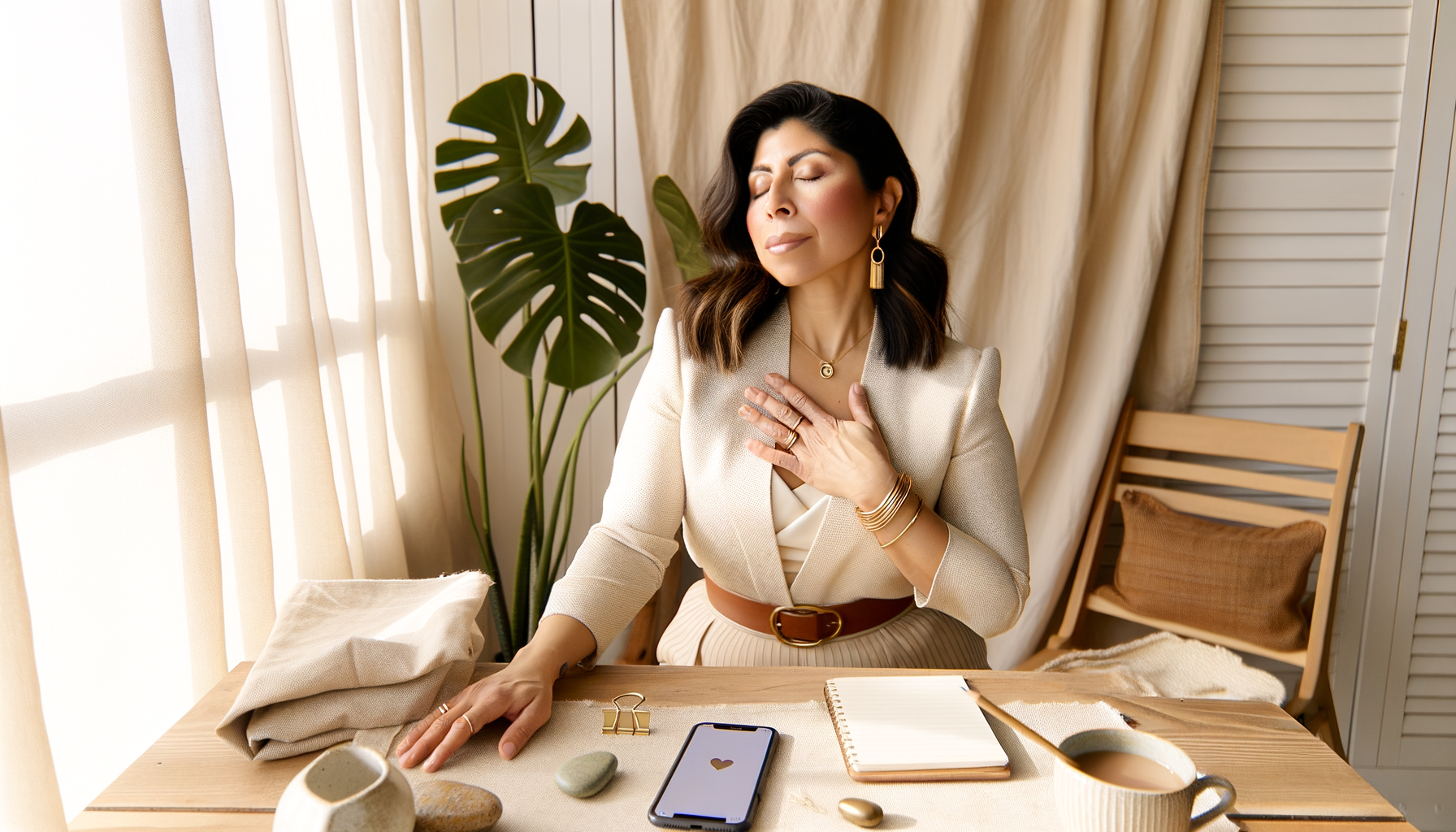
For World Mental Health Day, the conversation is shifting from performative wellness to a fundamental rewiring of what leadership looks like. It’s about putting wellbeing at the heart of leadership, not as a side project, but as the core driver of a resilient, compassionate, and high-performing workplace. This isn’t a soft skill; it’s the ultimate power move for the modern leader.
Why Everyone’s Talking About Wellbeing in Leadership Right Now
The data doesn’t lie. The latest reports show that fewer than one in three managers are actually trained to support their team’s mental health. This isn’t just a gap in training; it’s a gap in our very definition of what a leader should be. The new wave of leadership is about fostering psychological safety, championing flexibility, and understanding that a team’s wellbeing is directly tied to its ability to innovate and succeed. It’s the difference between a team that simply shows up and a team that truly thrives.
The New Leadership Playbook: From Boss to Empowerer
So, what does this new leadership actually look like in practice? It’s less about having all the answers and more about creating the space for your team to find them. Experts like Barbara Salopek, CEO of Vinco Innovation, emphasize that it starts with swapping blame for learning. Instead of asking “Who messed up?”, the most empowering leaders ask, “What did we learn?”. This simple shift builds a culture of psychological safety where people feel safe to take smart risks and speak up without fear.
This is backed by a powerful concept called Operational Coaching®, championed by leadership experts Dominic and Laura Ashley-Timms. Their research shows that an “enquiry-led” approach—asking powerful questions instead of giving directives—can dramatically boost engagement and productivity. It’s about empowering your team with autonomy, which is a major key to unlocking their confidence and wellbeing.
Your Secret Weapon: Micro-Moments of Connection
Forget the grand, expensive corporate retreats for a second. Global speaker and author Gavin Oattes argues that the real magic lies in the “glimmers”—those micro-moments of connection, joy, and being truly seen. It’s the five-minute check-in that’s actually about how someone is doing, not just their task list. It’s celebrating a small win or sharing a laugh.
Oattes even champions the power of play for adults, noting it “unlocks new thinking, disarms fear, and builds connection faster than any strategy slide.” In an era of digital fatigue and remote work, these intentional moments of human connection are the glue that holds a team’s mental health together.
Walk the Talk: Why Your Wellbeing Matters Most
Here’s the part we often skip: you can’t pour from an empty cup. Leadership consultant Nik Kinley points out a hard truth: many leaders sacrifice their own wellbeing on their way to the top, and then that burned-out behavior becomes the modeled standard for everyone else. If you’re sending emails at midnight, you’re silently telling your team that’s what’s expected.
Prioritizing your own mental health—whether it’s setting boundaries, taking a mental health day, or openly discussing your own strategies for managing stress—isn’t selfish. It’s one of the most powerful things you can do for your team’s culture. It gives them permission to do the same, creating a ripple effect of healthier habits across the entire organization.
Building Unshakeable Trust and Safety
Award-winning change strategist Fay Niewiadomski highlights a critical point: without psychological safety, your data is a lie. She’s seen teams where issues go unreported because people are afraid of punishment. True, resilient performance is only possible in an environment of deep trust.
Her three-step formula is genius in its simplicity: 1) Make it safe to speak up, 2) Be ruthlessly consistent in how you reward behavior, and 3) Use accountability as a tool for growth, not punishment. When your team knows you have their back, they’ll give you their best.
The TechMae Takeaway
The biggest takeaway from this year’s World Mental Health Day is that leadership is being redefined. The most successful leaders of tomorrow won’t be the ones with the most aggressive KPIs, but the ones who build the most resilient, supported, and human-centric teams. Putting wellbeing at the heart of leadership is the ultimate strategy for sustainable success. It’s how we create workplaces where women—and everyone—don’t just survive, but truly flourish.
Inside the TechMae app, women are already discussing trending stories like this one—sharing ideas, insights, and next moves. Join the conversation and find your tribe: the future of empowerment is happening here.