Alright, sis. We need to talk about something that nobody warned you about. Something that hits you when you are already running on zero sleep, your body feels like a stranger, and everyone around you keeps saying “enjoy every moment” while you are wondering why you feel like you are drowning.
I am talking about postpartum depression. And listen—this is not the baby blues. This is not something you can “snap out of” or “pray away” or “just get more sleep” for. This is real. And it is way more common than anyone wants to admit.
“I thought I was a bad mom before I even knew what postpartum depression was. I thought the emptiness meant I didn’t love my baby enough. Turns out, I just needed help.”
What Even Is Postpartum Depression?
Let me break this down because I wish someone had done this for me. Postpartum depression is not just feeling sad after having a baby. It is a full-blown clinical condition that affects your brain chemistry, your hormones, your sleep, your appetite, and your ability to feel anything at all.
Here is the thing—about 1 in 7 women experience postpartum depression. That is roughly 15% of new moms. Yeah, that is wild, right? Let that sink in. In your mom group, your friend circle, your family—statistically, someone else is going through it too. But nobody is talking about it because we are all scared of being judged.
And let me tell you something else—postpartum depression does not discriminate. It does not care if you are 19 or 39. It does not care if you planned this pregnancy or if it surprised you. It does not care if you have a supportive partner or if you are doing this alone. It can hit anyone.
1 in 7 new moms experience postpartum depression. You are NOT broken. You are not alone.
The Difference Between Baby Blues and Postpartum Depression
Okay, so here is where it gets confusing. Almost every new mom gets the “baby blues”—that weepy, emotional, hormonal crash that happens around day 3 or 4 after birth. You cry at diaper commercials. You feel overwhelmed. You are exhausted. That is normal. That usually goes away within two weeks.
Postpartum depression is different. It does not go away after two weeks. It gets worse. It lingers. It settles into your bones and makes everything feel heavy and gray.
Here is what postpartum depression can look like:
– You feel empty, numb, or disconnected from your baby
– You cry constantly or cannot cry at all
– You cannot sleep even when the baby is sleeping
– You sleep too much—like, 14 hours and still exhausted
– You have no appetite or you cannot stop eating
– You feel guilty for not being “happy enough”
– You feel angry, irritable, or resentful
– You have thoughts about hurting yourself or the baby
– You feel like you made a huge mistake
If any of this sounds familiar, girl—listen to me. This is not your fault. This is not a character flaw. This is a medical condition that needs treatment, just like diabetes or a broken bone.
💡 Quick Tip
If you are wondering whether you have baby blues or postpartum depression, ask yourself: “Has this been going on for more than two weeks?” If yes, please reach out to your OB-GYN or a mental health professional. You can also text “HOME” to 741741 for free crisis support.
Why Nobody Told You About This
Here is the real talk, sis. We live in a world that romanticizes motherhood. Social media shows you the perfect nursery, the matching pajamas, the angelic newborn sleeping peacefully. What nobody shows you is the 3 AM panic attacks, the feeling of being touched out, the guilt when you do not feel instantly bonded to your baby.
Postpartum depression is treated like a dirty secret. Like if you admit you are struggling, you are admitting you are a bad mom. And that is absolute garbage.
The truth is—acknowledging postpartum depression is the bravest thing you can do. It means you love your baby enough to get help. It means you love YOURSELF enough to get help. And that is real strength.
💊 What Works: The Postpartum Depression Workbook – This is not some cheesy self-help book. It is a practical workbook with exercises, journal prompts, and actual strategies from therapists who specialize in maternal mental health. It helped me feel less alone and gave me tools I used every single day.
What Actually Works for Postpartum Depression
Okay, so let me give you the real roadmap. Because knowing you have postpartum depression is one thing. Knowing what to do about it is another.
1. Tell someone. I know it is terrifying. I know you are scared they will judge you. But you have to say the words out loud. Start with one person you trust—your mom, your best friend, your partner, your doctor. Say “I think I have postpartum depression.” Watch what happens. They will not freak out. They will help you.
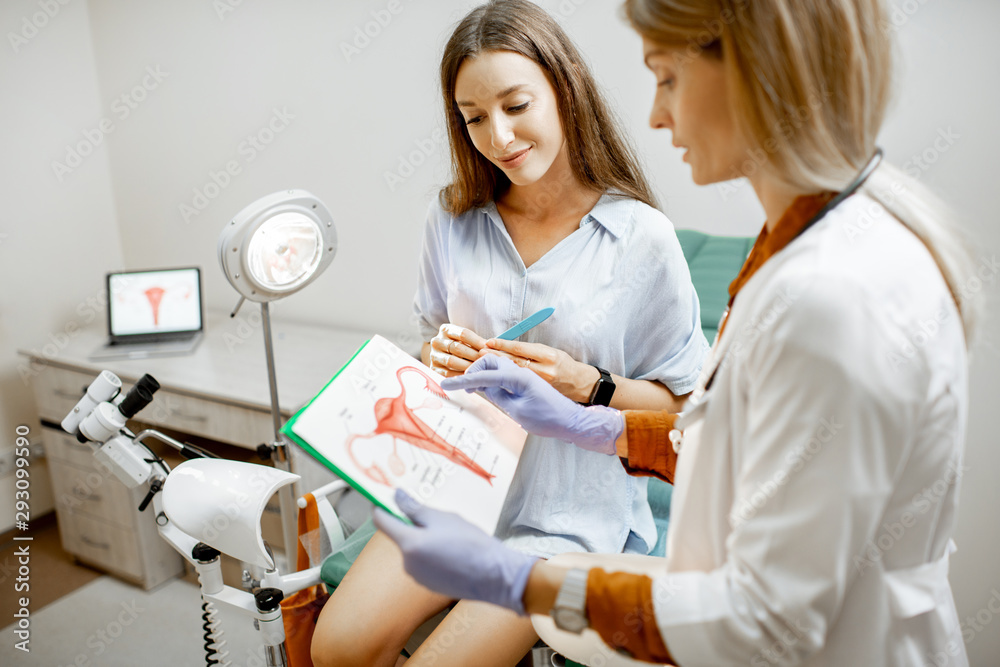
2. Call your OB-GYN or midwife. They screen for this. They have resources. They can prescribe medication if needed. You do not have to figure this out alone. There are medications that are safe while breastfeeding. There is therapy specifically for perinatal mental health. Ask for a referral to a therapist who specializes in postpartum depression.
3. Join a support group. There is something powerful about sitting in a room (or a Zoom call) with other moms who get it. Organizations like Postpartum Support International have free support groups. You can call their helpline at 1-800-944-4773. Yes, it is real. Yes, actual humans answer.
4. Let go of the “perfect mom” fantasy. Your house will be messy. You will eat cold pizza for breakfast. Your baby might watch a little too much Ms. Rachel. That is fine. You are surviving. Your baby does not need a perfect mom—they need a present mom. And you cannot be present if you are drowning.
5. Get outside. I know it sounds simple, but sunlight and fresh air actually help regulate your circadian rhythm and boost serotonin. Put the baby in the carrier or stroller and walk for 10 minutes. That is it. Ten minutes.
6. Sleep when you can. I know everyone says this and it feels impossible. But if someone offers to watch the baby for two hours, take the nap. Do not clean. Do not catch up on laundry. Sleep. Sleep deprivation makes postpartum depression so much worse.
Why This Works:
✅ Therapy gives you tools to reframe the intrusive thoughts that postpartum depression feeds you
✅ Medication corrects the chemical imbalance in your brain that is literally not your fault
✅ Support groups remind you that you are not the only one feeling this way—and that is healing in itself
The Truth Nobody Tells You About Postpartum Depression
Here is the thing I wish someone had told me when I was in the thick of it. Postpartum depression does not always look like sadness. Sometimes it looks like rage. Sometimes it looks like anxiety so intense you cannot breathe. Sometimes it looks like obsessively checking if the baby is breathing every three minutes. Sometimes it looks like not caring at all.
And here is another thing—postpartum depression can start during pregnancy. It is called antenatal depression, and it affects about 1 in 10 pregnant women. So if you are reading this while pregnant and feeling off, please do not dismiss it.
Also—and I need you to hear this—postpartum depression can show up anytime in the first year after birth. It is not just those first few weeks. So if you are six months postpartum and suddenly feel like you are spiraling, that is still postpartum depression. You are not “too late” to get help.
“Postpartum depression made me feel like I was watching my life from outside my body. I was there, but I wasn’t there. Getting treatment brought me back.”
What About the Dads and Partners?
This might surprise you, but partners can get postpartum depression too. Yes, really. About 1 in 10 dads experience paternal postpartum depression. The hormonal changes are different, but the sleep deprivation, the lifestyle shift, the pressure to provide—it all adds up.
If your partner seems withdrawn, irritable, or checked out, it might not be that they do not care. It might be that they are struggling too. Encourage them to talk to someone. You are a team, and you both deserve support.
How to Support a Friend with Postpartum Depression
Maybe you are reading this because you are worried about a friend. First of all—thank you. You are a good friend. Here is how to actually help:
– Do not say “just enjoy it” or “it gets better” or “at least you have a healthy baby.” That invalidates her pain.
– Say “I see you struggling and I am here. You do not have to go through this alone.”
– Offer specific help: “I am bringing dinner on Tuesday” or “I will watch the baby Saturday from 2-4 so you can nap.”
– Check in regularly. Postpartum depression is isolating. A text that says “thinking of you, no need to reply” can mean the world.
– If she mentions thoughts of harming herself or the baby, take it seriously. Stay with her and call for help. Do not leave her alone.
| ❌ What Not to Say | ✅ What to Say Instead |
|---|---|
| “Just be grateful for your baby” | “This is really hard and you are doing your best” |
| “Have you tried yoga?” | “What do you need right now? I am here” |
| “This too shall pass” | “I am coming over with coffee and no expectations” |
Resources That Actually Help
I am not going to send you on a wild Google chase. Here are the resources you need, saved and ready:
📞 Postpartum Support International Helpline: 1-800-944-4773 (available 24/7, English and Spanish)
📱 Crisis Text Line: Text HOME to 741741
🌐 National Maternal Mental Health Hotline: 1-833-943-5746
💻 Online support groups: Postpartum Support International has free virtual groups
📖 Book: The Postpartum Depression Workbook – seriously, get this
This is the kind of stuff women talk about inside TechMae every single day. No judgment, just real ones keeping it real. The shame around postpartum depression keeps us silent, but silence is not protecting us—it is isolating us.
Related: This post is a must-read for women on their journey. Journaling helped me process so much of what I was feeling when I could not say it out loud.
Start Here
If you take one thing from this whole post, let it be this: You are not a bad mom because you have postpartum depression. You are a mom who needs help, and that is okay.
Here is your one action step for today: Text or call one person and say “I need support.” That is it. That is the whole assignment. You do not have to have all the answers. You just have to take the first step.
Your First Steps:
✅ Identify one person you trust and tell them you are struggling
✅ Call your OB-GYN or a therapist who specializes in maternal mental health
✅ Join a free support group—online or in person
✅ Save the crisis hotline numbers in your phone right now
You might also love this article – one of our most shared. Because confidence is not about being perfect—it is about showing up for yourself even when it is hard.
This Is Your Sign to Stop Doing It Alone
Women inside TechMae have been exactly where you are. We have felt the guilt, the shame, the exhaustion. And we have found our way through—together. Come find your people.
You got this, sis. One step at a time. And I am right here with you.