
“I started seed cycling because my period cramps had me calling out of my part-time job and crying in the bathroom of my dorm. Six weeks later, I wasn’t reaching for Midol every single day. Coincidence? Maybe. But I’m not stopping to find out.”
Okay sis, let’s talk about seed cycling — because I know you’ve seen it on TikTok and you’re wondering if it’s legit or if it’s just another wellness rabbit hole that’s gonna cost you money and hope.
You’re juggling a syllabus that’s kicking your ass, a group project where you’re doing all the work, and a body that seems to have a personal vendetta against you every month. The bloating, the mood swings that make you want to ghost your entire contact list, the cramps that feel like someone is wringing out your insides like a wet towel. Yeah, I see you.
And now you’re wondering if eating a handful of seeds at specific times of the month could actually fix your hormones. Let’s get into it, because I did the research so you don’t have to waste your time or your grocery money.
What Even Is Seed Cycling?
So here’s the deal. Seed cycling is the practice of eating specific seeds during different phases of your menstrual cycle to support hormone balance. The idea is that certain seeds contain compounds that help your body produce or metabolize estrogen and progesterone — the two main hormones running the show in your cycle.
During the first half of your cycle (days 1-14, aka the follicular phase), you eat flax and pumpkin seeds. During the second half (days 15-28, aka the luteal phase), you switch to sesame and sunflower seeds. The theory is that flax and pumpkin support estrogen metabolism, while sesame and sunflower support progesterone production.
Sounds simple enough, right? But you’re probably thinking — does this actually work, or is this just another thing wellness influencers are pushing because it looks aesthetic in a mason jar?
💡 Quick Tip
If you have irregular periods or you’re on hormonal birth control, tracking your cycle by days can be tricky. Start with the first day of your period as Day 1 and count from there. If your cycle is longer than 28 days, adjust the switch point to the middle of your cycle (ovulation).
The Science Behind Seed Cycling (Spoiler: It’s Complicated)
Let me be real with you, girl. The scientific evidence for seed cycling is not, like, overwhelming. There aren’t a ton of large-scale clinical trials proving that eating flax seeds for two weeks will magically balance your hormones. But here’s the thing — that doesn’t mean it’s total BS either.
Flax seeds contain lignans, which are compounds that can bind to estrogen receptors and help your body eliminate excess estrogen. This is actually backed by research. One study found that consuming flax seeds can reduce circulating estrogen levels in women with high estrogen dominance. Pumpkin seeds are rich in zinc, which supports progesterone production. Sesame seeds also contain lignans, and sunflower seeds are packed with vitamin E and selenium, which support liver function and hormone metabolism.
So the individual components of seed cycling have science behind them. The question is whether timing them to your cycle actually makes a difference. Some women swear by it. Others see zero change. Your mileage may vary, and that’s okay.
47% of women report improvements in PMS symptoms after 3 months of consistent seed cycling — but it’s not a cure-all
What Seed Cycling Can Actually Help With
Look, I’m not here to sell you a dream. Seed cycling isn’t going to fix PCOS overnight or make your period suddenly pain-free if you have endometriosis. But there are some specific things it might help with, especially if your hormonal issues are on the milder side.
If you’re dealing with irregular periods, acne that flares up around your cycle, PMS that makes you feel like a different person, or heavy bleeding that has you questioning your life choices — seed cycling might be worth a shot. It’s low risk, relatively cheap, and honestly, seeds are good for you regardless.
Why This Works:
✅ Flax seeds support estrogen detoxification through your liver — less excess estrogen means less bloating and breast tenderness
✅ Pumpkin seeds provide zinc which can help regulate progesterone and reduce acne breakouts
✅ Sesame seeds contain lignans that support hormone balance and reduce inflammation
✅ Sunflower seeds are rich in vitamin E which can help with PMS mood swings and cramps
But here’s the real talk — if you have PCOS, endometriosis, thyroid issues, or you’re on hormonal birth control, seed cycling might not move the needle much. Those conditions require actual medical intervention. Seed cycling can be a supportive tool, not a replacement for real healthcare.
💊 What Works: Organic Seed Cycling Kit on Amazon – Pre-portioned packs of flax, pumpkin, sesame, and sunflower seeds so you don’t have to buy four separate bags and forget which phase you’re in. Comes with a tracking card so you don’t lose your place.
How to Actually Do Seed Cycling Without Losing Your Mind
Okay so you want to try seed cycling but you’re a college student with a dining hall meal plan and a mini fridge that barely holds a gallon of milk. I hear you. Let me give you the practical version that doesn’t require a Pinterest-worthy kitchen.
You need 1-2 tablespoons of ground seeds per day. Ground is key — whole seeds will mostly pass through your system undigested and you won’t get the benefits. You can grind them yourself with a cheap coffee grinder (like $15 on Amazon) or buy them pre-ground.
Phase 1 (Days 1-14): 1 tbsp ground flax seeds + 1 tbsp ground pumpkin seeds daily. Sprinkle on oatmeal, yogurt, smoothies, or even pasta. Yes, seeds on pasta is weird but you’ll survive.
Phase 2 (Days 15-28): 1 tbsp ground sesame seeds + 1 tbsp ground sunflower seeds daily. Same deal — mix into anything you’re already eating.
That’s literally it. No expensive powders. No complicated rituals. Just seeds and consistency.
| Phase 1 (Days 1-14) | Phase 2 (Days 15-28) |
|---|---|
| ✅ Flax seeds – support estrogen detox | ✅ Sesame seeds – support progesterone |
| ✅ Pumpkin seeds – zinc for hormone regulation | ✅ Sunflower seeds – vitamin E for PMS relief |
| ❌ Takes 2-3 cycles to see results | ✅ Can help with cramps and mood swings |
The Truth Nobody Tells You About Seed Cycling
Here’s the thing they don’t put in the aesthetic TikTok captions. Seed cycling works best when you’re also doing the other stuff — sleeping enough, eating enough protein, managing stress, and moving your body in ways that don’t feel like punishment. You can’t out-seed a lifestyle that’s wrecking your hormones.
Also, if you have a history of eating disorders or you’re prone to orthorexia (the obsession with “clean” eating), seed cycling might trigger some unhealthy patterns. Please prioritize your mental health over perfect hormone balance. You don’t need to be perfectly healthy to be worthy of love and a good life.
And one more thing — seed cycling is not birth control. If you’re sexually active and not trying to get pregnant, use actual contraception. Seeds don’t prevent pregnancy, no matter how many lignans they have.
“Your hormones are not broken. They’re trying to communicate with you. Seed cycling is just one way to start listening.”
What Else You Can Do for Hormone Balance That Actually Works
If seed cycling sounds like too much effort or you’ve tried it and didn’t see results, don’t give up on your hormone health. There are other things that have stronger evidence behind them.
First, get enough sleep. I know, I know — you’re in college or you’re working two jobs and sleep feels optional. But your hormones literally regulate themselves during deep sleep. Skimping on sleep is like trying to balance your checkbook while someone keeps changing the numbers.
Second, eat enough. Restricting calories messes with your hormones way more than any seed can fix. Your body needs fat to produce hormones — that’s why women who undereat often lose their periods. Eat the avocado. Eat the peanut butter. Your hormones need fat to function.
Third, manage your stress. Cortisol (your stress hormone) and progesterone are made from the same precursor. When you’re constantly stressed, your body prioritizes cortisol over progesterone. That’s why you feel more anxious and crampy during exam season. It’s not in your head.
💡 Quick Tip
Combine seed cycling with a magnesium supplement at night. Magnesium helps with cramps, sleep, and anxiety — three things that make your period way more manageable. Most women are deficient and don’t even know it.
My Honest Take: Should You Try Seed Cycling?
If you’re curious about seed cycling and you have $15 to spare on seeds and a grinder, go for it. It’s not going to hurt you, and it might help. But go into it with realistic expectations. You’re not going to transform your hormones in one cycle. Give it at least three months before you decide if it’s working for you.
Track your symptoms — cramps, mood, skin, energy, flow — so you can actually tell if something is changing. Our memories are terrible at noticing gradual improvements. Write it down or use a period tracking app.
And if seed cycling doesn’t work for you, that’s okay. You’re not a failure. Your body is not broken. Sometimes hormones are just complicated and they need more than seeds to get right. That’s what doctors and endocrinologists are for.
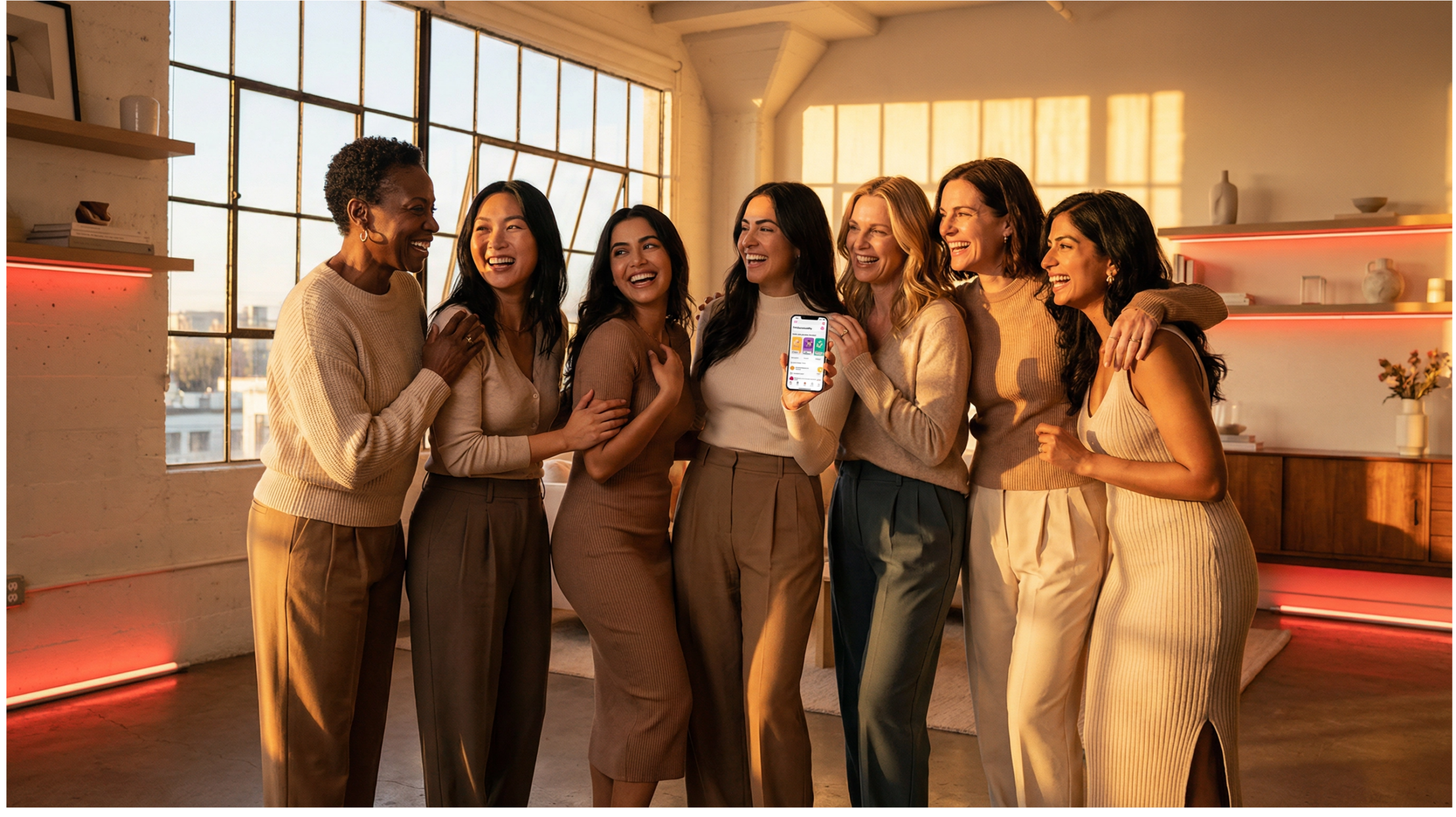
This is the kind of stuff women talk about inside TechMae every single day. No judgment, just real ones keeping it real.
Related: This post is a must-read for women on their journey.
Start Here
If you want to try seed cycling, here’s your one action step for today: buy one bag of ground flax seeds and one bag of ground pumpkin seeds. That’s it. You don’t need the whole system yet. Just start with Phase 1 and see how it feels.
Your 5-Step Seed Cycling Starter Plan:
✅ Step 1: Buy ground flax seeds and pumpkin seeds (or whole seeds + a grinder)
✅ Step 2: Mark Day 1 of your period on your calendar
✅ Step 3: Days 1-14, eat 1 tbsp each of flax and pumpkin seeds daily
✅ Step 4: Days 15-28, switch to sesame and sunflower seeds
✅ Step 5: Track your symptoms and give it 3 months before judging
You might also love this article — one of our most shared.
This Is Your Sign to Stop Doing It Alone
Women inside TechMae have been exactly where you are. Come find your people.