“Caring for myself is not self-indulgence, it is self-preservation, and that is an act of political warfare.” — Audre Lorde
Listen, I know how it goes during womens history month. You see the posts, the quotes, the highlight reels of these incredible women who changed the world. And it’s inspiring, but sis… it can also feel low-key exhausting.
You’re over here trying to pass your midterms, manage your side hustle, deal with that chaotic group chat, and maybe even figure out how to do your taxes for the first time. The last thing you’re thinking about is some elaborate self-care routine. It feels like one more thing on the to-do list you’re already failing.
But what if I told you that the women we celebrate during womens history month weren’t superhumans running on vibes and caffeine alone? They had breakdowns, they got overwhelmed, they had to pay bills and deal with messy relationships too. The real tea? Their secret weapon wasn’t just brilliance or courage. It was the tiny, non-negotiable rituals they built to keep themselves from burning the hell out.
Why Your “Self-Care” Feels Like a Joke (And Theirs Didn’t)
Let’s be real. When you hear “self-care,” you probably think of a $50 face mask, a bubble bath you don’t have time for, or toxic positivity quotes on Instagram. No wonder it feels fake. That’s performance. That’s for the ‘gram.
The self-care that actually sustains you—the kind that fueled history-makers—isn’t pretty or photogenic. It’s often boring, simple, and deeply private. It’s the stuff you do so you don’t snap at your roommate, cry over a micro-aggression at your internship, or give up on your big idea because you’re just so damn tired.
Think about it. Frida Kahlo painted masterpieces from her bed while dealing with chronic pain that would have most of us calling out of life. How did she do it? She created a sanctuary. Her bed had a canopy with a mirror so she could see and paint herself. She surrounded herself with her pets, her art, things that brought her joy amidst the suffering. That wasn’t a spa day. That was a survival strategy.
💡 Quick Tip
Your environment is your first line of defense. Before you buy another thing, look at your room. Is it a chaotic dumpster fire of stress? Spend 20 minutes just clearing surfaces. Make your bed. Open a window. Light a candle you like. Control what you can. It sounds small, but it changes your nervous system.
Or take Katherine Johnson, the NASA mathematician from *Hidden Figures*. She was a Black woman in the 1960s working in a field dominated by white men, breaking barriers while raising a family. Her ritual? She asked questions. Constantly. She made them explain things to her until she understood, refusing to be sidelined. That intellectual curiosity and insistence on clarity? That was her self-care. It was protecting her energy from being wasted on confusion and doubt.
💊 What Works: Moleskine Classic Notebook – This isn’t just for journaling. Use it like Katherine Johnson might have: to write down your questions, work through problems, and track your ideas. Getting it out of your head and onto paper is a form of mental decluttering that reduces anxiety.
What Actually Works: Steal Their Rituals, Not Just Their Quotes
So let’s get practical. How do you build a self-care practice that doesn’t suck and actually makes you more resilient? You look at the blueprints left by the women who actually needed it to survive.
First, boundary-setting as self-care. Rosa Parks didn’t just wake up one day and decide not to move. That was a lifetime of dignity and quiet resistance culminating in a single, powerful “no.” Her self-care was knowing her worth and protecting her peace long before that bus ride. For you, that looks like silencing notifications for 2 hours to study, telling that guy you’re “not sure” about that you’re busy, or not taking on the extra project at work when you’re already swamped.
Second, movement as release. Serena Williams, arguably the greatest athlete of all time, has talked about the pressure, the scrutiny on her body, the comeback after childbirth. Her ritual? Obviously, intense training. But also, dance. Letting loose to music. For those of us who aren’t Serena, it’s a 10-minute walk while listening to a podcast, a 5-minute stretch when you wake up, or literally just putting on a song and dancing like an idiot in your room to shake off the day’s stress. It’s not about fitness; it’s about literally moving energy through your body so it doesn’t get stuck as anxiety.
73% of women experience significant stress, yet only 34% prioritize their own well-being.
Yeah, let that sink in. We are carrying the weight but not filling our own cups. That stat is why womens history month needs to be about more than just remembering—it’s about applying their resilience to our real, messy lives.
Third, community as fuel. You think the women of the Civil Rights movement or the Suffrage marches were out here doing it solo? Absolutely not. They had sister circles, strategy groups, friends who brought them food and watched their kids. Your version of this is your group chat with the girls who actually get it, joining a club on campus that aligns with your passions, or finding an online community (like ours, hint hint) where you can vent and get real advice.

The Truth Nobody Tells You: It’s Okay If Your Ritual is “Ugly”
Here’s the insider truth, the thing we don’t say out loud during womens history month: Sometimes, self-care is crying in the shower. Sometimes it’s eating the damn cookie without guilt-tripping yourself. Sometimes it’s calling your mom and just word-vomiting all your fears.
Maya Angelou, who survived trauma and became a legendary voice, had a ritual of checking into a hotel room by herself. She’d take a Bible, a deck of cards, a bottle of sherry, and her writing materials. She’d remove all the pictures from the walls. She created a blank, quiet space to just BE and create. It wasn’t glamorous. It was isolated and strange to an outsider. But it worked FOR HER.
“Your ritual doesn’t have to be aesthetic. It just has to be authentic. What is the one thing that makes you feel like YOU again when the world is trying to turn you into everything else?”
Your ritual might be playing video games for an hour to zone out. It might be reorganizing your closet. It might be watching trashy reality TV. If it genuinely resets you and isn’t harmful, it counts. Stop judging it.
This is the kind of stuff women talk about inside TechMae every single day. No judgment, just real ones keeping it real. How to actually manage your anxiety before a presentation, how to save money when you’re broke, how to deal with a toxic friend—we cover it all.
Related: This post is a must-read for women on their journey to financial independence, because stress about money is one of the biggest things draining your energy.

Start Here: Your No-BS, 5-Minute History-Maker Reset
You don’t need a whole day. You need 5 minutes. Pick ONE of these to try this week. Just one.
Why This Works:
✅ It’s Micro: No overwhelming time commitment. Anyone can do 5 minutes.
✅ It’s Tangible: You get a clear feeling of “I did something for me.”
✅ It Builds: One small ritual builds the muscle for bigger boundaries and habits.
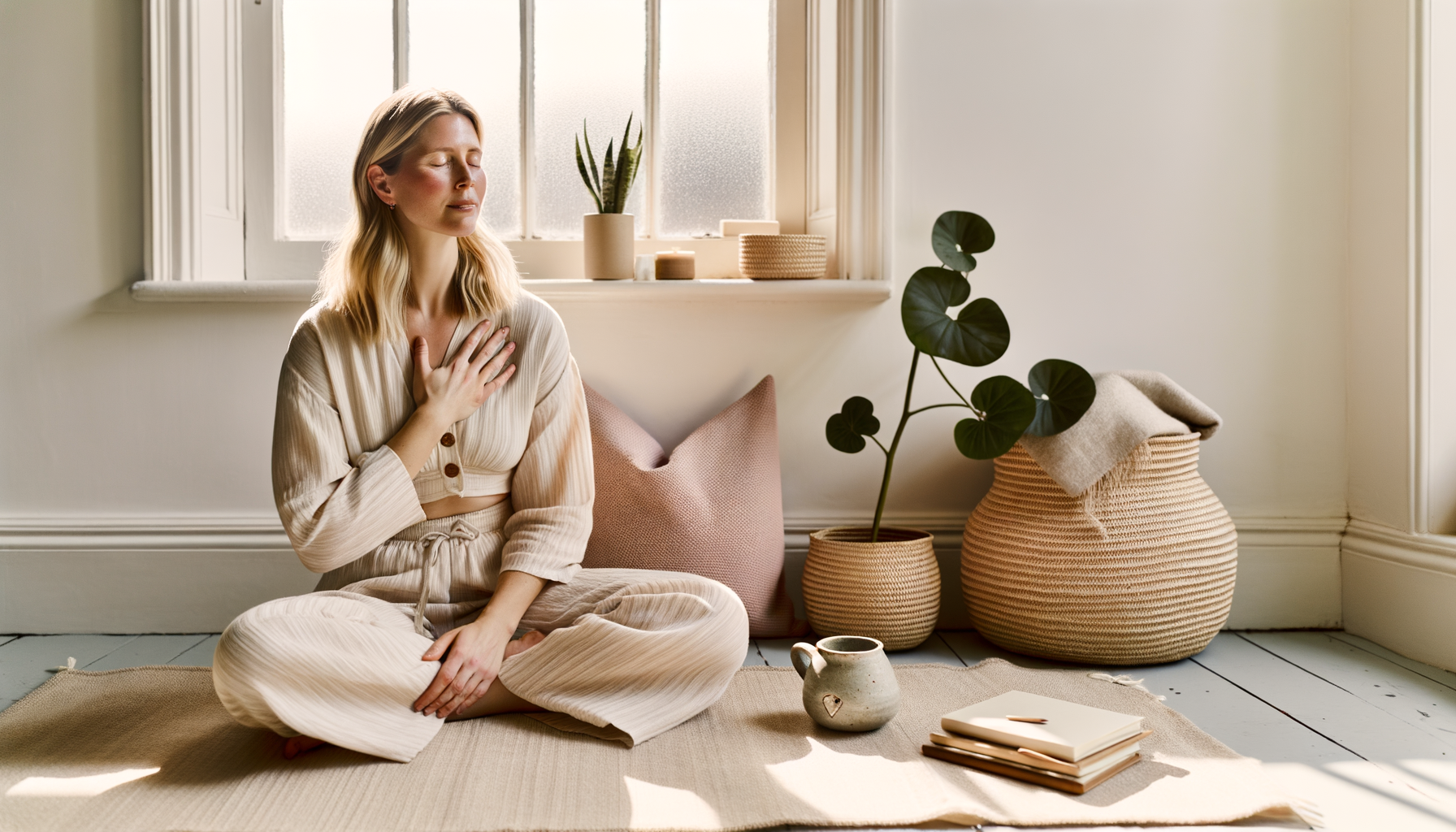
Option 1 (The Frida): Sit in your space. Put your phone in another room. Look around. What’s one thing you can adjust right now to make it feel more like YOUR sanctuary? Move a plant, fluff a pillow, light a candle. Claim your space.
Option 2 (The Katherine): Open the notes app on your phone. Write down one thing that’s confusing you or stressing you out. Then, write one question you need answered to move forward. Just defining the problem is 80% of the battle.
Option 3 (The Serena): Set a timer for 5 minutes. Play one song you loved when you were 16. And just move. Don’t think about how you look. Just shake out the vibes.
This womens history month, let’s shift the focus. It’s not just about admiring their strength from afar. It’s about recognizing that their strength was built, daily, through small acts of preservation. Your journey needs the same foundation.
You might also love this article – one of our most shared guides on using journaling as a tool for clarity, not just a diary.
This Is Your Sign to Stop Doing It Alone
Women inside TechMae have been exactly where you are—figuring out the balance between changing your world and not letting it break you. Come find your people.