
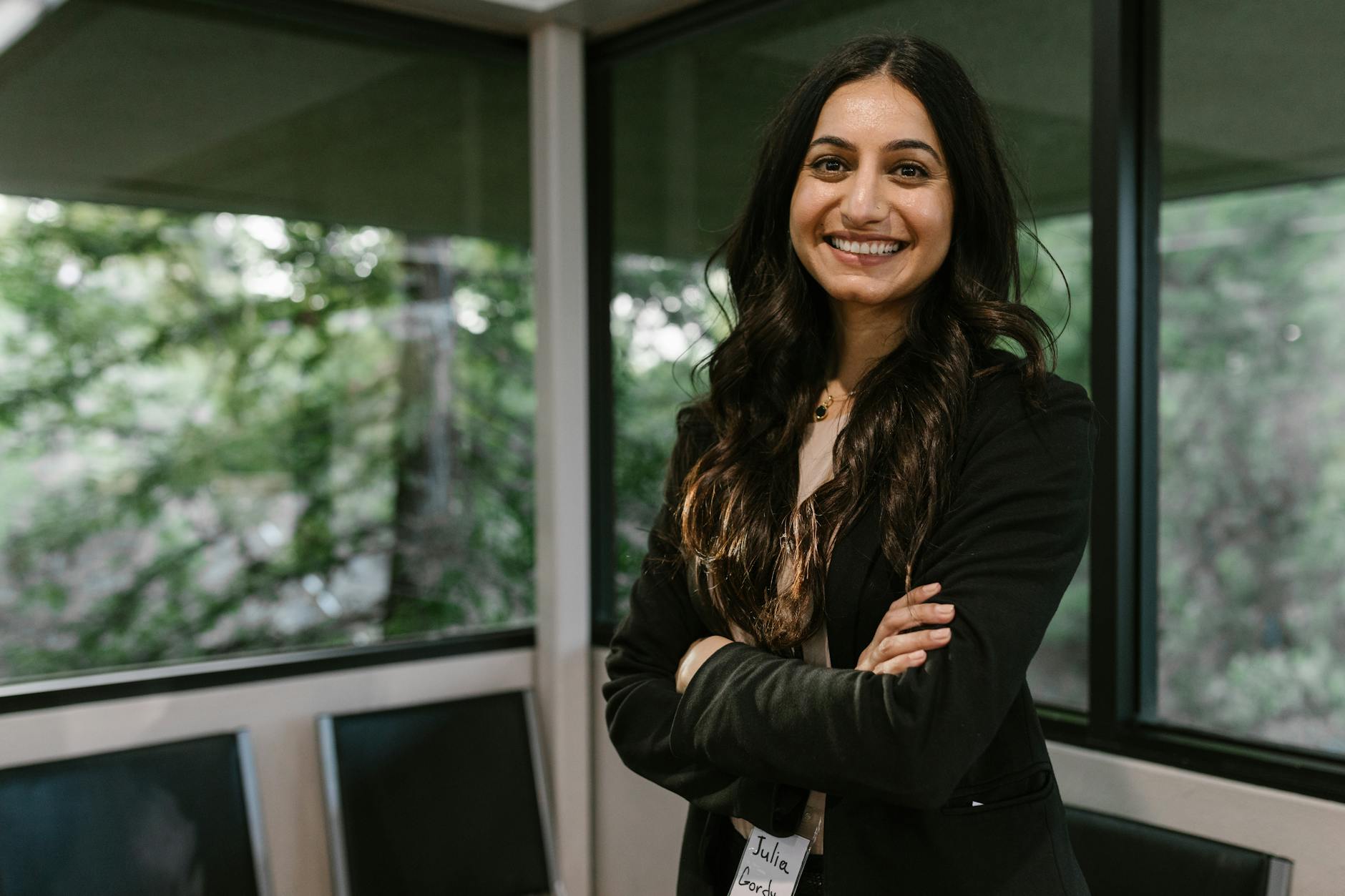
“Data science isn’t about being a math genius. It’s about being a curious storyteller with data.”
Feeling pulled toward the world of data science but have no clue where the door is? You’re in the right place. Many women report that starting their data science journey feels like staring at a mountain with no visible path.
The good news? That feeling is completely normal. The first step is simply understanding what the path looks like and grabbing the right tools for the climb.
Is Data Science Really for Beginners?
The short answer is a resounding yes. The field can seem intimidating, filled with jargon like “machine learning” and “neural networks.” It’s easy to feel you need a PhD in statistics just to begin.
Women new to the field often share that the biggest hurdle is the initial overwhelm. Where do you even click first? Should you learn Python or R? Do you need to go back to school?
💡 Quick Tip
Forget the jargon for now. Think of data science as a process: ask a question, find data, clean it, explore it, and tell its story. Start by practicing that mindset with anything—even your own monthly budget or screen time report.
💊 What Works: “Data Science for Dummies” by Lillian Pierson – This book is a community favorite because it cuts through the noise. It gives you a clear, high-level map of the entire data science landscape before you dive into the technical weeds.
What Actually Works to Start Learning
The most successful beginners follow a “learn by doing” approach. Theory is important, but nothing sticks like applying a concept to a real dataset. Your goal for month one isn’t mastery; it’s completion of a tiny project.
Start with a free, beginner-friendly platform like Kaggle or DataCamp. They offer micro-courses that hold your hand through your first lines of code and your first dataset. Python is the most recommended starting language for its readability and vast community.
Build One Thing. Just One.
Your first project could be analyzing Spotify playlist trends or visualizing local housing prices. The topic doesn’t matter as much as the process. This hands-on method builds confidence and a tangible portfolio piece faster than any textbook alone.
The Truth Nobody Tells You About Data Science
Here’s the insider secret: a huge part of real-world data science is data *cleaning*. It’s not all glamorous algorithms. It’s often about finding missing values, fixing formatting, and asking “does this even make sense?”
This is actually great news for beginners. It means meticulous, logical thinking is a superpower. You don’t need to invent complex math; you need patience and a sharp eye for patterns and errors.
“The most valuable skill isn’t knowing every algorithm. It’s knowing how to ask the right question of your data.”
Women talk about this openly inside TechMae. Real questions. Real answers. No shame.
Related: This post has helped thousands of women.
Start Here: Your First Week in Data Science
Ready to take action? Commit to this simple, one-week plan. It’s designed to build momentum without burnout.
Why This Works:
✅ Micro-Learning: Small, daily wins build confidence.
✅ Project-First: You learn with a purpose, not just theory.
✅ Community: You’re learning alongside others, not in isolation.
Day 1-2: Create a free Kaggle account. Complete the very first, guided “Python” or “Pandas” micro-course (they take ~4 hours total).
Day 3-4: Browse the “Datasets” section on Kaggle and download one that sparks a tiny question. Something simple like “Which movie genres have the highest ratings?”
Day 5-7: Use the code you learned to try and answer your question. Your output might just be a simple chart or a average calculation. That’s a win. You’ve just done data science.
You might also love this article – one of our most shared.
Join Women Who Talk About the Real Stuff
Your next answer might come from a woman who has been exactly where you are.