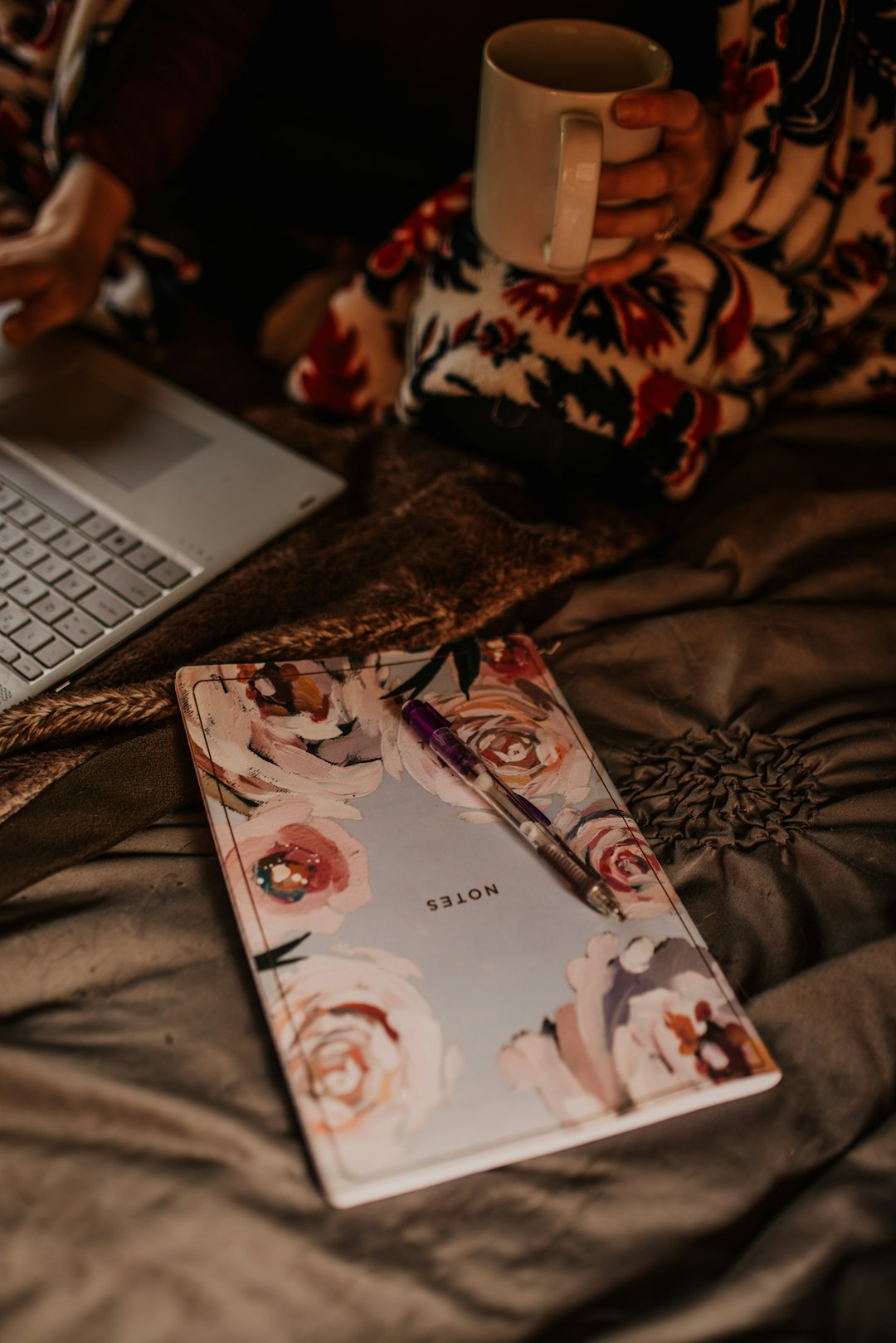
Ever feel like you’re starring in your own personal circus, juggling flaming torches while balancing on a unicycle? Welcome to the modern woman’s reality. We’re CEOs of our careers, head planners of our social lives, emotional support systems for friends, and somehow still expected to have a perfectly curated Instagram feed. The pressure to “do it all” isn’t just exhausting—it’s a full-blown mental health crisis in cute workout sets.
This isn’t just about being busy. It’s about the silent toll of constant switching between professional drive and personal devotion. The conversation around women’s mental health is finally getting the spotlight it deserves, and it’s time we talk real talk about the work-life pressures that are pushing us to the edge. From boardroom burnout to the mental load of remembering everyone’s birthday, the balancing act is costing us our peace.
The Invisible Shift: Why Your 9-to-5 Never Really Ends
You clock out from work, but your second shift is just beginning. The emails stop, but the mental checklist of groceries, laundry, and replying to your mom’s three-day-old text keeps running. This “double burden” isn’t just physical labor—it’s the endless cognitive load of managing multiple worlds simultaneously.
While we’ve smashed glass ceilings in education and employment, many of us are still expected to be the primary keepers of the home front. The result? A generation of women running on caffeine and cortisol, with anxiety as our constant companion and guilt as our shadow. We feel bad for leaving work “on time” to see family, then feel worse for checking emails during dinner. It’s a no-win mindset that’s burning us out before we even hit our prime.
Office Politics & The Pressure to Perform
Let’s talk about the workplace stress that doesn’t show up in the job description. Beyond the deadlines and deliverables, women navigate a minefield of unspoken expectations. The fear of being labeled “less committed” if we request flexible hours. The subtle (and not-so-subtle) gender bias that questions our authority. The pay gap that means we’re working harder for less.
Many companies still treat work-life balance as a perk rather than a necessity. Without proper parental leave policies, childcare support, or mental health resources, women are set up to struggle. And let’s not forget imposter syndrome—that sneaky voice that whispers “you don’t belong here” no matter how many goals you crush. It’s exhausting performing confidence while internally wondering when everyone will discover you’re “faking it.”
Breaking Generational Chains: Society’s Silent Expectations
Our grandmothers had different battles. Our mothers paved new paths. And we’re caught between honoring their sacrifices and rewriting the rules entirely. Cultural expectations run deep—the “good daughter” complex, the myth of the natural nurturer, the pressure to prioritize everyone’s needs above our own.
Mental health conversations still hit walls in many families and communities. “You’re too sensitive” or “Just push through” replaces actual support. This societal mindset makes setting boundaries feel like betrayal and self-care seem selfish. But here’s the truth they don’t tell you: you can’t pour from an empty cup. Protecting your peace isn’t rebellion—it’s revolution.
The Art of Saying No: Boundary Setting as Survival Strategy
If there’s one skill every modern woman needs to master, it’s the graceful “no.” Not the guilty, over-explained no. The confident, non-negotiable no that protects your time, energy, and sanity. Setting boundaries isn’t about being difficult—it’s about being discerning with your precious resources.
Start small. That extra project you don’t have capacity for? No. The family gathering that drains you? Maybe next time. The friend who only reaches out when she needs something? Time for a conversation. Every “no” to something that depletes you is a “yes” to your wellbeing. And that includes saying no to your own perfectionism—the 80% solution is often more than enough.
Building Your Support Ecosystem: It Takes a Village
Here’s where we flip the script: this isn’t just your problem to solve alone. Creating sustainable balance requires systemic support—from partners who pull equal weight to workplaces that value output over hours clocked. The mental load wasn’t meant to be carried solo.
At home, that means actual equal partnership—not “helping” but shared ownership of household management. At work, it means advocating for policies that support whole humans, not just workers. Flexible schedules, mental health days, and managers who model balance themselves. And in your social circle? It means cultivating friendships where you can be real about the struggle, not just curate the highlight reel.
Practical Peace: Micro-Habits for Macro Impact
Transforming your mental health doesn’t require a complete life overhaul. Often, it’s the small, consistent practices that create the biggest shifts. The five-minute meditation while your coffee brews. The walk around the block between meetings. The notes app where you brain-dump worries before bed.
Identify your non-negotiables—the things that make you feel like you. Maybe it’s movement, creative expression, or connection. Then schedule them like you would any other important meeting. Protect that time fiercely. These aren’t luxuries; they’re maintenance requirements for the complex, brilliant system that is you.
The TechMae Takeaway
The conversation about women’s mental health in the context of work-life balance isn’t about achieving perfect equilibrium—that’s a myth sold to us by productivity gurus. It’s about creating a life where the various parts of you can coexist without constant competition. Where your ambition and your need for rest can both have seats at the table.
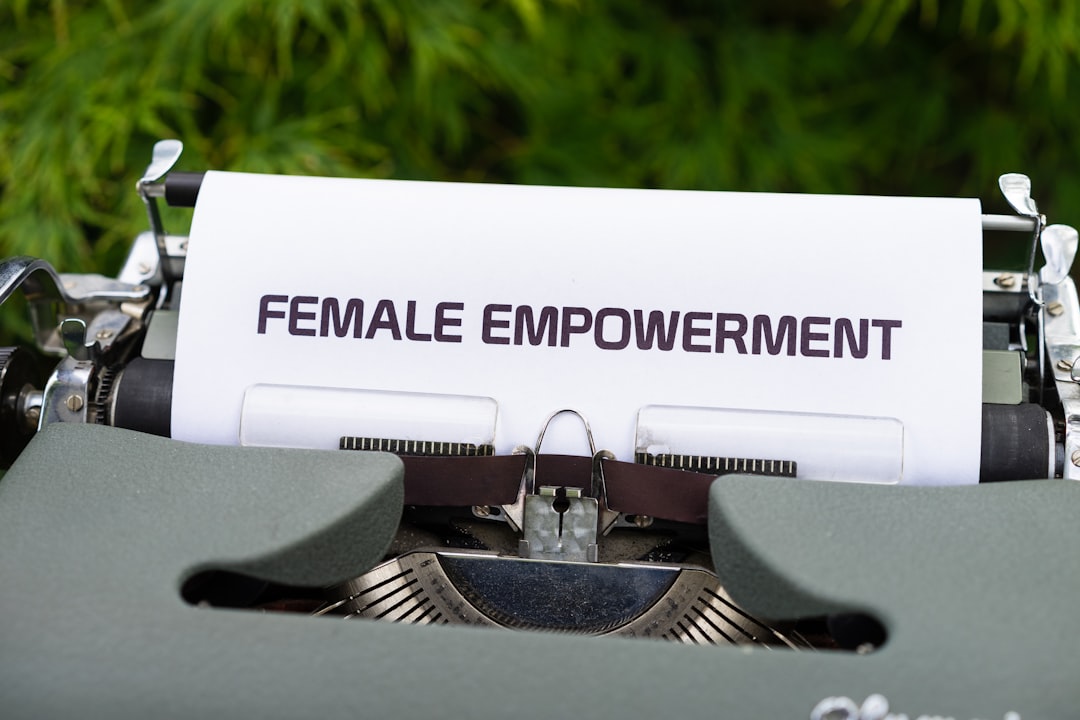
Your worth isn’t measured by how many balls you keep in the air. Sometimes, the most powerful move is letting a few drop—or better yet, teaching others how to catch. The future of women’s empowerment isn’t about doing more with less; it’s about redesigning systems so we can thrive as our full, multidimensional selves.
Inside the TechMae app, women are already discussing trending stories like this one—sharing ideas, insights, and next moves. Join the conversation and find your tribe: the future of empowerment is happening here.