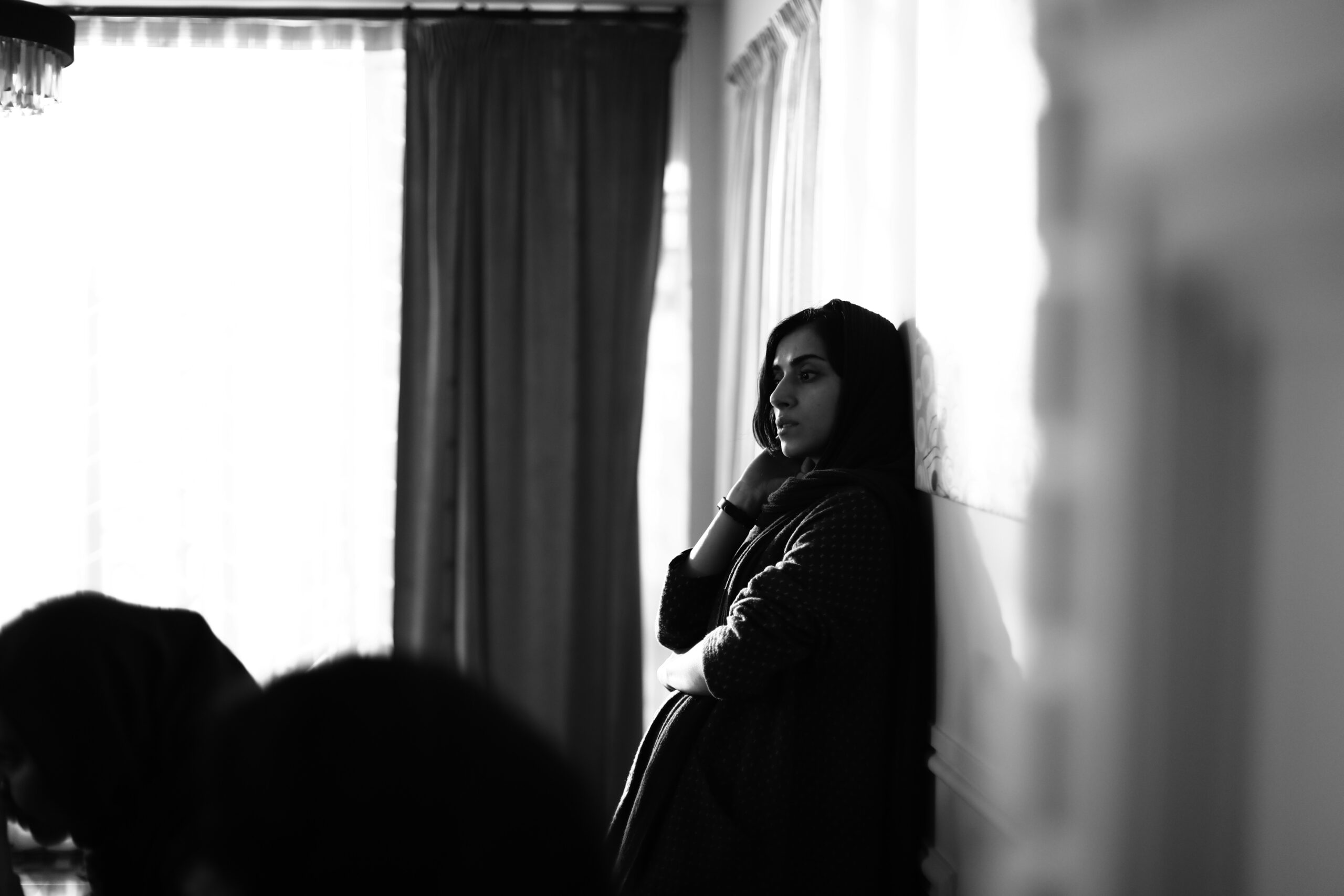

You’ve seen the stats pop up on your feed, felt the collective sigh in your group chats. It’s more than just a “bad day”—it’s a generation of young women navigating a world that often dismisses their pain as drama. The conversation around young women’s mental health is finally getting louder, but is anyone truly listening?
We’re living through a paradox: more connected than ever, yet feeling profoundly alone. Between the filtered perfection of social media, the weight of unpaid labor, and the constant hum of online misogyny, it’s no wonder young women are twice as likely to experience a mental health problem than their male peers. This isn’t a niche issue; it’s a collective experience demanding a collective response. It’s time we move from awareness to action, from generic advice to genuine, tailored support.
Why Is Young Women’s Mental Health at a Crisis Point?
Let’s name the pressures. It starts young: being told you’re “too emotional” while boys are “passionate.” It’s the “harmless” comment in science class, the beauty standard that shifts with every algorithm update. Research confirms that young women who’ve experienced sexism are five times more likely to face depression.
Then, layer on the digital world. It’s not just screen time; it’s a 24/7 exposure to cyberbullying, comparison culture, and curated realities that erode self-worth. Add to this the invisible workload—the mental load of managing households, childcare, and emotional labor—that disproportionately falls on women. The data is stark: one in two women seeking mental health support do so as a direct result of domestic abuse. This isn’t just stress; it’s a systemic issue wearing a million different masks.
What Does Truly Supportive Mental Health Care Look Like?
Traditional, one-size-fits-all therapy often misses the mark. The groundbreaking Young Women in Mind programme proved that when support is designed for and with young women, everything changes. Their mental health improved significantly. Here’s what worked.
5 Game-Changing Elements for Women’s Mental Wellness
1. Safe Spaces That Feel Like a Friend’s Living Room
Forget sterile clinics. Success came from creating flexible, non-clinical spaces where young women could share without judgment. As one participant shared, “It’s relaxed… you can freely speak about what you want… no one acts shocked.” It’s about building trust, not just checking boxes.
2. Support That Actually Meets You Where You’re At
Real support removes practical barriers. Think on-site childcare, help with transport costs, and flexible session times. It’s the difference between a system that says “come to us” and one that asks, “how can we meet you?”
3. The Power of Peer Support and Shared Stories
There’s a unique magic in connecting with other women who just *get* it. Peer support from those with similar experiences boosted self-esteem and forged powerful, supportive friendships. This sense of sisterhood is a potent form of therapy.
4. Creative Outlets as a Form of Healing
Healing isn’t always found in talking. Programs incorporating dance, art therapy, pottery, and drama helped women build confidence and develop positive coping mechanisms. It’s a reminder that wellness isn’t just clinical—it’s creative, too.
5. A Trauma-Informed Approach to Care
This is non-negotiable. Trauma-informed care acknowledges that past experiences shape present struggles. By unpacking trauma in a safe way, young women could finally understand their triggers and build a roadmap to recovery.
Your Mental Health Toolkit: Everyday Wellness Ideas
While systemic change is essential, your daily habits build resilience. Think of these as your personal armor.
Curate your feed with intention. Unfollow accounts that make you feel inadequate and fill your space with body-positive and mental wellness inspiration. It’s a simple scroll strategy with powerful effects.
Find your creative release. You don’t need a formal class—try a mindful painting session at home or a solo dance party. The goal is expression, not perfection.
Identify your safe people. Who in your life makes you feel heard without judgment? Nurture those connections. They are your personal safe space.
Frequently Asked Questions About Women’s Mental Health
Why is mental health different for young women?
Young women face a unique constellation of pressures, from gendered stereotypes and societal expectations to the disproportionate burden of unpaid labor and online harassment. Their mental health needs are inherently intersectional.
What’s the biggest barrier to getting better support?
Many current services use generic, non-trauma-informed approaches that fail to address the root causes of young women’s distress, like sexism and domestic abuse. The tools themselves can feel intrusive and invalidating.
How can I advocate for myself or a friend?
Seek out providers who mention trauma-informed or gender-specific care. Don’t be afraid to ask about their approach. Your comfort and safety in the therapeutic relationship are paramount.
The TechMae Takeaway
Your mental health is not a sidebar to your life; it’s the foundation of everything you build. The data, the stories, the collective exhaustion—it all points to one truth: we need to stop asking young women to be resilient against broken systems and start fixing the systems themselves.
This is about more than self-care Sundays. It’s about championing a new standard of care that is co-created, compassionate, and culturally aware. It’s about recognizing that your struggle is valid, your needs are specific, and your healing is worthy of a support system that truly sees you.
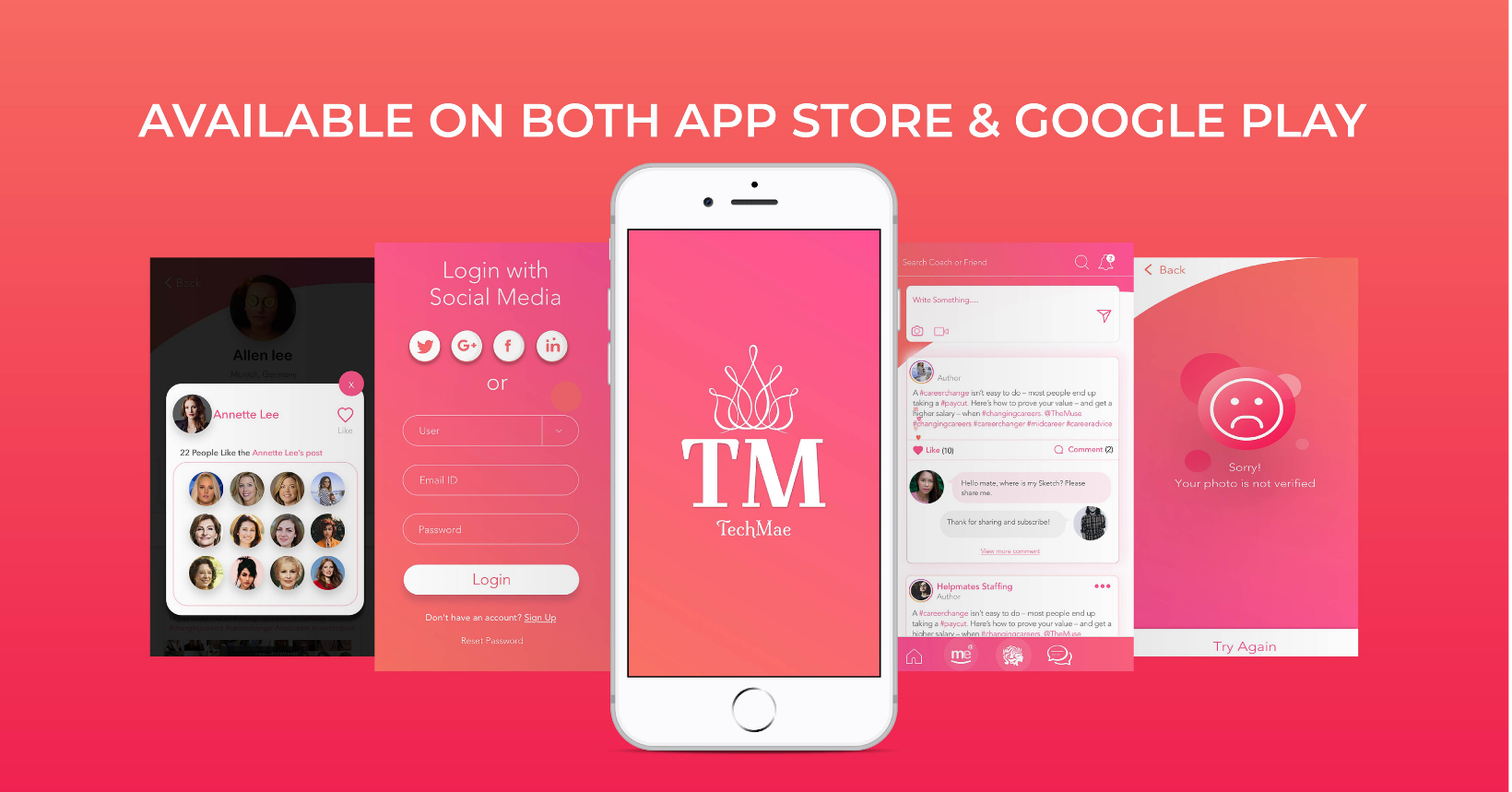
Ready to talk more about stories like this? Inside the TechMae app, we’re building a space for women to connect, share insights, and grow together. Come join the movement: Download the TechMae App and be part of what’s next.