“You are not dramatic. Your body is trying to tell you something, and it is time you listened.”
You know that feeling when your chest gets tight for no reason and you are just sitting at your desk? Or when your heart starts racing in the middle of a normal Tuesday and you cannot explain why?
That is anxiety showing up in your body. And if nobody has ever actually explained what it feels like — beyond the vague “you feel worried” description — you are not alone. Most of us were never taught to recognize the physical signs of anxiety until we were already in the thick of it, wondering if something was seriously wrong with us.
So let’s talk about it. For real. No clinical jargon, no textbook definitions. Just the honest truth about what anxiety actually feels like in your body, why it happens, and what you can do about it.
What Anxiety Actually Feels Like (Beyond the “Worry” Part)
Here is the thing nobody tells you: anxiety is not just a mental thing. It lives in your body. It shows up in ways you might not even connect to stress.
Maybe you have been dealing with random headaches and did not think twice about it. Or your jaw has been sore for weeks and you assumed you slept weird. Or you keep getting this weird pit in your stomach before meetings, and you just push through it like it is normal.
That is anxiety. It is your nervous system stuck in overdrive, and it is exhausting.
💡 Quick Tip
Next time you feel “off,” do a quick body scan. Start at your head and work down — jaw, shoulders, chest, stomach, hands. You might be surprised at how much tension you are holding without realizing it. Anxiety loves to hide in your shoulders and your jaw.
The physical symptoms of anxiety are real and they are not in your head. They are in your body, and they deserve your attention.
The Physical Signs You Might Be Missing
Let me break down what anxiety actually looks like when it shows up in your body. Because I promise you, some of these will sound familiar.
Your chest feels tight or heavy. Like someone is sitting on it, or like you cannot take a full deep breath. This is one of the most common physical symptoms of anxiety, and it is terrifying if you do not know what is happening.
Your heart races or flutters. Out of nowhere. You are not running, you are not in danger, but your heart is acting like you just got chased by something. That is your fight-or-flight response kicking in when it does not need to.
Your stomach is always in knots. You have no appetite, or you stress-eat, or you feel nauseous before anything important. Your gut and your brain are deeply connected — that is why anxiety hits your stomach so hard.
You cannot sleep, or you cannot wake up. Racing thoughts at 2am are classic anxiety. Or the opposite — you are so drained from being on edge all day that getting out of bed feels impossible.
Your jaw is clenched, your shoulders are up to your ears. You are holding tension in your body all day without even realizing it. By the time you get home, your neck and back are screaming.
Anxiety is the most common mental health condition in the U.S. — over 40 million adults deal with it. You are not the only one.
Yeah, that number is wild. And that is just the people who recognize it. So many women are walking around with physical symptoms of anxiety and have no idea that is what they are dealing with.
Why Anxiety Shows Up in Your Body
Here is the science, simplified: when your brain perceives a threat — real or imagined — it triggers your nervous system to release stress hormones like cortisol and adrenaline. Your body gets ready to fight or run.
The problem is, your brain does not always know the difference between an actual threat and a stressful email from your boss. So your body reacts to that email like it is a bear chasing you.
Over time, if you are constantly in that state, your body stays flooded with stress hormones. That is when the physical symptoms of anxiety become chronic — the headaches, the stomach issues, the tension, the exhaustion.
💊 What Works: Magnesium Glycinate Supplements – This is the one supplement that actually has research behind it for calming the nervous system. Magnesium helps regulate cortisol and can ease the physical tension anxiety causes. Take it at night — it also helps with sleep.
What Actually Works to Calm Your Body
Okay, so now you know what is happening. Let’s talk about what you can actually do about it. Because sitting in it and hoping it goes away? Not a strategy.
1. Learn to breathe properly. When anxiety hits, your breathing gets shallow. You take quick, upper-chest breaths that make everything worse. The fix? Box breathing — inhale for 4 counts, hold for 4, exhale for 4, hold for 4. Repeat. This activates your parasympathetic nervous system and tells your body it is safe to calm down.
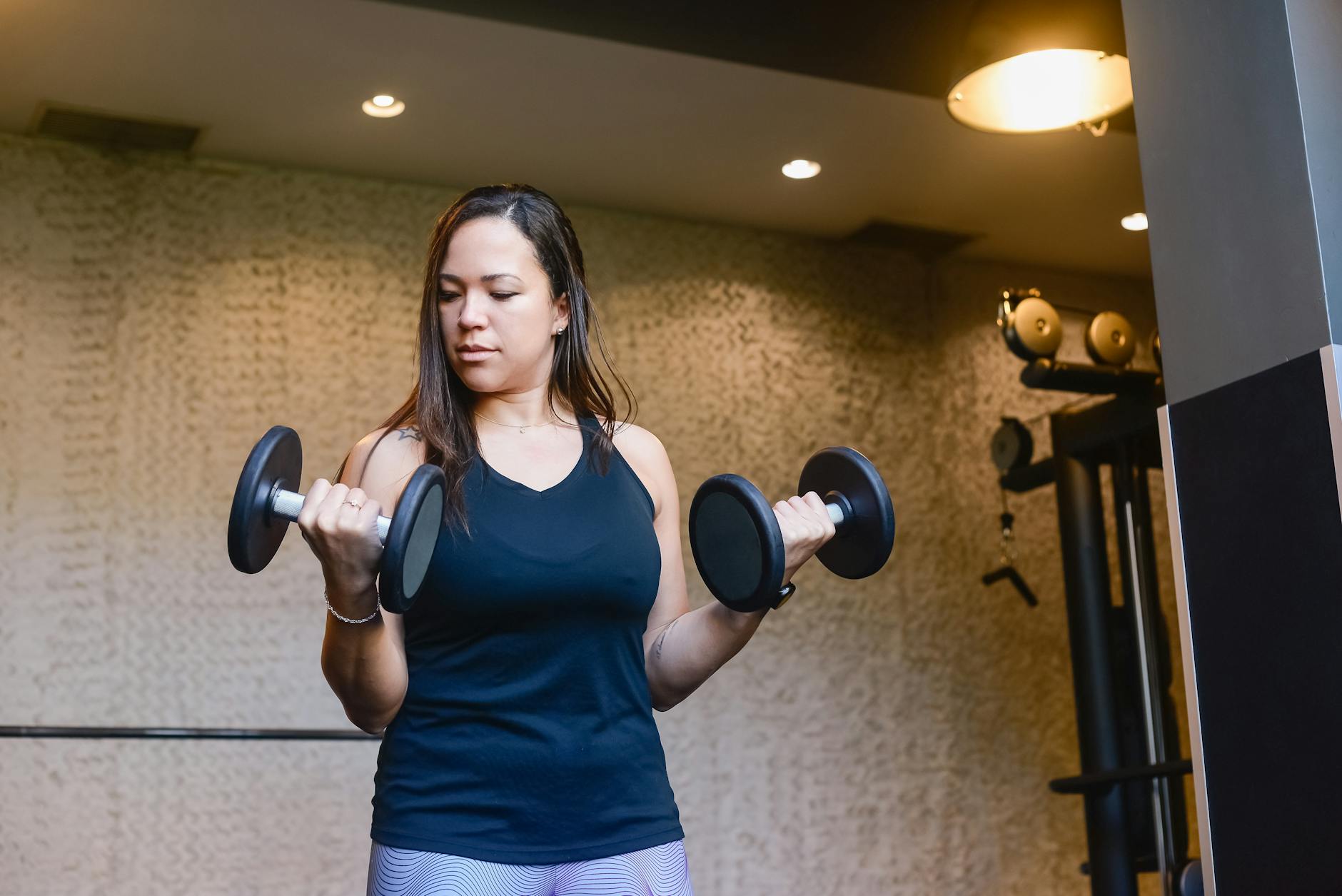
2. Move your body. Not in a punishing way — in a “get the nervous energy out” way. A 10-minute walk, stretching, dancing around your apartment. Movement burns off the adrenaline that anxiety has pumped into your system.
3. Name it out loud. When you feel that wave of anxiety coming, say it: “I am feeling anxious right now.” Naming it takes power away from it. You are not crazy, you are not broken — your body is having a stress response, and you can handle it.
4. Cut the caffeine. I know, I know. But caffeine is a stimulant that mimics anxiety symptoms — racing heart, jittery hands, restlessness. If you are already anxious, that second cup of coffee is not helping. Try switching to decaf in the afternoon or cutting back altogether for a week and see how you feel.
5. Get support. Therapy is not a luxury, it is a tool. If anxiety is affecting your daily life — your work, your relationships, your sleep — it is time to talk to someone. There is no shame in that. And if you are worried about cost, check out apps like BetterHelp or TalkSpace, or see if your job offers an EAP (Employee Assistance Program) with free counseling sessions.
Why This Works:
✅ Breathing exercises calm your nervous system in minutes
✅ Movement burns off excess stress hormones
✅ Naming your anxiety reduces its power over you
The Truth Nobody Tells You About Anxiety
Here is the real talk: anxiety is not something you “cure” and never deal with again. It is something you learn to manage. And for a lot of us, it is something that shows up in seasons — when work is stressful, when relationships are rocky, when life feels uncertain.
But here is what nobody tells you: the goal is not to never feel anxious. The goal is to recognize it, understand what your body is telling you, and have tools to bring yourself back to center.
“You are not weak for feeling anxious. You are human. And you are allowed to take care of yourself.”
Also? Anxiety often shows up in high-achieving women. You know why? Because you care. You care about your career, your family, your future. You are trying to do a lot, and your body is feeling the weight of it. That does not make you fragile — it makes you someone who is carrying a lot. And it is okay to put some of that down.
Start Here
If you are reading this and thinking “wow, that is me,” here is your next step: start paying attention to your body.
For the next week, notice when your chest gets tight, when your jaw clenches, when your stomach flips. Do not judge it — just notice it. That awareness is the first step to managing anxiety instead of letting it run your life.
And if you need more support, do not wait. Talk to your doctor. Look into therapy. Download a meditation app. Reach out to a friend. You do not have to figure this out alone.
This is the kind of stuff women talk about inside TechMae every single day. No judgment, just real ones keeping it real.
Related: This post is a must-read for women on their journey.
You might also love this article — one of our most shared.
This Is Your Sign to Stop Doing It Alone
Women inside TechMae have been exactly where you are. Come find your people.