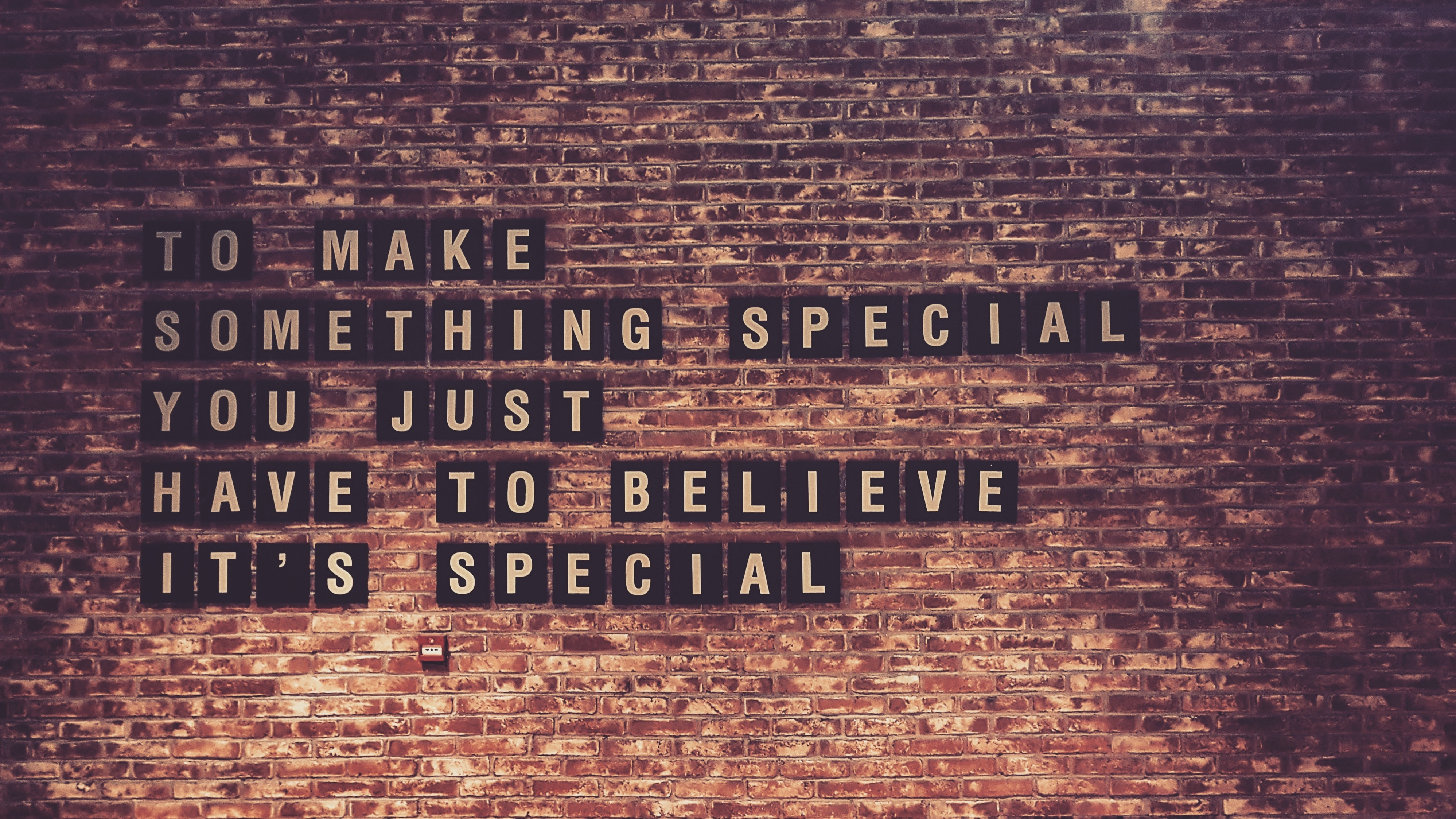

“You don’t have to be falling apart to deserve support. You just have to be a person.”
Listen, sis. Let’s clear something up about therapy right now, because I’m tired of the narrative. Therapy is not a crisis-only service. It’s not the thing you do when everything falls apart. It’s the thing you do so everything doesn’t have to fall apart in the first place.
I know what you’re thinking — “I’m not depressed, I don’t need therapy.” But that’s like saying you don’t need a financial advisor because you’re not broke. You’re managing, sure. But are you thriving? Are you actually okay, or are you just used to feeling stretched thin?
Therapy is maintenance. It’s the oil change for your mind before the engine blows. And the women who get that? They’re not weak. They’re strategic.
You’re Not “Fine” — You’re Functioning
Here’s the thing nobody tells you about being a high-functioning woman: you can be getting the promotion, hitting your savings goals, showing up for everybody else — and still be running on empty. Functioning is not the same as flourishing.
You’re the one who handles things. You’re the friend who gives the good advice. You’re the daughter who manages the family drama. You’re the colleague who picks up the slack. But who’s holding space for you?
Therapy gives you a space where you don’t have to perform. You don’t have to be strong. You don’t have to have it together. You can just… be. And that alone is worth the investment.
💡 Quick Tip
Most insurance plans cover therapy under mental health benefits — and many now offer telehealth options with $0-$30 copays. Check your benefits portal before assuming it’s too expensive. You might be surprised what’s already covered.
The Real Reasons Women Avoid Therapy
Let’s be honest about why so many of us don’t go. It’s not that we don’t think it could help. It’s the stories we tell ourselves.
“I don’t have time.” Girl, you have time for what you prioritize. You have time for the group chat, the Instagram scroll, the Netflix binge. Therapy is one hour a week or every two weeks. You can find one hour.
“I don’t want to be seen as weak.” The strongest women I know are in therapy. Vulnerability is not weakness — it’s actually the most courageous thing you can do. Sitting across from someone and saying “I need help figuring this out” takes more strength than pretending you’re fine.
“What would I even talk about?” Here’s a list: work stress, family dynamics, relationship patterns, money anxiety, self-doubt, boundary issues, grief you never processed, that thing from your childhood you thought you were over. Pick one. There’s plenty to work with.
“I tried it once and it wasn’t for me.” Finding the right therapist is like finding the right bra — the first one you try probably won’t fit, but that doesn’t mean you give up and go braless forever. You keep looking until you find the one who gets you.
💊 What Works: Therapy Journal for Women – A guided journal with prompts designed to help you process emotions, identify patterns, and prepare for sessions. Perfect if you’re not ready for therapy yet or want to maximize the time you have with your therapist.
What Actually Works: Therapy as a Career Move
Here’s what nobody tells you — therapy is a business investment. The women who work on their mental health are the ones who negotiate better, lead better, and build better. Why? Because they know their triggers, they manage their emotions instead of letting their emotions manage them, and they don’t bring unresolved baggage into the boardroom.
Think about it. How many opportunities have you passed on because of self-doubt? How many times have you stayed quiet in a meeting because of imposter syndrome? How many relationships have suffered because you didn’t know how to communicate your needs?
Therapy helps you see your patterns. And once you see them, you can change them. That’s not just personal growth — that’s professional development.
75% of people who try therapy see benefits within the first few sessions
Yeah, that’s wild right? Three out of four people feel better. And yet so many of us are still white-knuckling it alone. Make it make sense.
Therapy Is Not Just for Crisis Mode
Let me say this louder for the women in the back: you do not need a diagnosis to benefit from therapy. You don’t need trauma. You don’t need to be in crisis. You just need to be a human being navigating a complicated world.
Therapy can help you:
What Therapy Actually Does:
✅ Identify self-sabotaging patterns you didn’t know you had
✅ Learn to set boundaries without guilt
✅ Process emotions instead of stuffing them down
✅ Improve communication in relationships
✅ Build confidence and self-trust
✅ Manage anxiety before it manages you
You don’t have to wait until you’re burned out. You don’t have to wait until you’re crying in the bathroom at work. You don’t have to wait until your relationship falls apart. You can start now, while things are “fine,” and build the tools you’ll need for when they’re not.
The Truth Nobody Tells You About Finding a Therapist
Here’s the insider tip: finding a therapist is like dating. You have to kiss a few frogs. The first person you meet might not be your person, and that’s okay. It doesn’t mean therapy doesn’t work — it means that particular therapist wasn’t the right fit.
Look for someone who specializes in what you’re dealing with. If you’re a Black woman, consider looking for a therapist who understands the unique pressures of navigating professional spaces while Black. If you’re a first-gen professional, find someone who gets the family dynamics. If you’re building a business, find someone who works with entrepreneurs.
Don’t just pick the first available person on your insurance list. Do a consultation call. Ask questions. Trust your gut. You’re allowed to be picky about who gets access to your inner world.
“The right therapist will make you feel seen, not judged. If you leave sessions feeling worse about yourself, that’s not therapy — that’s a bad match.”
How to Afford Therapy When Money Is Tight
Let’s talk about the money, because I know that’s what some of you are stuck on. Therapy can be expensive, but there are more options than you think.
| Traditional Therapy | Alternative Options |
|---|---|
| ❌ Can be $100-$200+ per session | ✅ Community mental health centers offer sliding scale fees |
| ❌ May have long waitlists | ✅ Online platforms like BetterHelp and Talkspace start around $60-$80/week |
| ❌ Requires time off work for appointments | ✅ Employee Assistance Programs (EAP) often offer 3-6 free sessions |
| ❌ Insurance coverage can be confusing | ✅ Open Path Collective offers sessions for $30-$60 for those who qualify |
Check with your employer. Many companies now offer mental health benefits as part of their wellness packages. Check your insurance portal. Look into community resources. There are more doors than you think — you just have to knock on a few.
Start Here: Your First Step
You don’t have to figure this all out today. You just have to take one step. Here’s what I want you to do:
Your Therapy Starter Steps:
1️⃣ Check your insurance benefits for mental health coverage today
2️⃣ Ask your HR department about Employee Assistance Programs
3️⃣ Search Psychology Today’s therapist finder for your area and filters
4️⃣ Schedule one consultation call with a therapist this week
5️⃣ Give yourself permission to invest in your mental health
This is the kind of stuff women talk about inside TechMae every single day. No judgment, just real ones keeping it real.
Related: This post is a must-read for women on their journey.
You might also love this article — one of our most shared.
You Deserve Support
Here’s what I need you to hear: needing support doesn’t make you broken. It makes you human. And taking care of your mental health isn’t selfish — it’s necessary. You can’t pour from an empty cup, and you can’t show up as your best self if you’re running on fumes.
Therapy isn’t a luxury. It’s not a last resort. It’s not something you do when you’ve run out of other options. It’s a tool — one of the most powerful ones you have access to. And the sooner you start, the sooner you can start building the life you actually want to live.
You’ve been strong for so long. You’ve been carrying everything. You’ve been showing up for everyone else. Now it’s time to show up for yourself.
This Is Your Sign to Stop Doing It Alone
Women inside TechMae have been exactly where you are. Come find your people.