
Okay, let’s talk about something we’ve all seen whispered about but rarely given the spotlight it deserves: perimenopause. If you thought it was just about hot flashes and a distant future, a groundbreaking new study is about to change the entire conversation—and it’s directly connected to our mental well-being.
For far too long, women’s midlife health has been a medical blind spot. But now, researchers from Michigan State University are leading a massive $3.7 million study, and they’re focusing on a critical link: the connection between perimenopause and psychosis risk. This isn’t just another health headline; it’s a long-overdue investigation into how our hormones can impact our minds, and it’s empowering women with new insights for better health management.
The Study That’s Changing Everything
Why Everyone’s Talking About Perimenopause and Mental Health Right Now
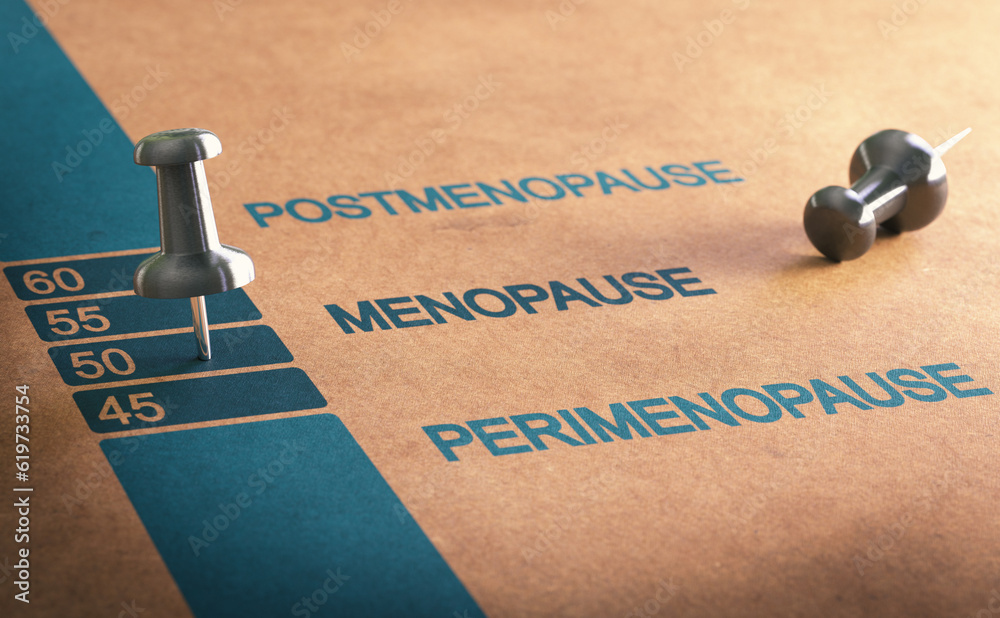
This isn’t your average research project. Scientists are finally examining the understudied period of perimenopause with a level of detail never seen before. The study will follow 750 women aged 40-60, tracking their daily hormone levels and psychological symptoms. The goal? To see if the wild hormonal swings of perimenopause—not just age—can predict an increased risk for serious mental health outcomes.
What makes this so revolutionary is the method. Participants are providing daily saliva samples, giving researchers a real-time, intimate look at hormonal fluctuations. This daily data is a game-changer, moving beyond vague assumptions to concrete, personal insights.
More Than Mood Swings: The Real Mental Health Impacts
The Shocking Link Between Hormones and Psychosis
Here’s the part that demands our attention. Researchers have long known there’s a midlife spike in psychosis in women that isn’t observed in men. The big question was always “why?” This study is the first to directly connect perimenopausal shifts in hormones to this increased risk.
But it’s not just about psychosis. The research is also looking at other mental health outcomes like bipolar disorder. The lead researchers, Kelly Klump and Kristen Culbert, emphasize that while all women go through this transition, only a subset is vulnerable to these more severe psychological symptoms. The key is identifying who is at risk and why.
Beyond Estrogen: The Hormone Puzzle You Need to Know
What Makes This Perimenopause Research Different
Another unique aspect of this study? They’re looking at both estradiol (a form of estrogen) and progesterone. Most previous research focused on estrogen alone, but Dr. Klump’s past work has shown that the interplay between these two hormones is crucial for understanding mental health outcomes during other life phases, like puberty.
This two-hormone approach could unlock personalized treatments and better support systems. Imagine healthcare that doesn’t dismiss your symptoms but actually understands the biological roots of what you’re experiencing.
Why This Research Matters for Every Woman
From Medical Mystery to Empowered Health Management
This study represents a massive shift in how we approach women’s health. For decades, women navigating perimenopause have often felt unheard or dismissed. This research validates their experiences and brings scientific rigor to a phase of life that affects half the population.
The researchers note the incredible enthusiasm from women eager to participate in the study. Why? Because they’re tired of being forgotten at this phase of life. They want answers, and they want to contribute to a better understanding for all women who will follow.
The potential impact is huge: better healthcare approaches, more personalized treatments, and ultimately, helping women not just survive this transition but truly thrive through it.
The TechMae Takeaway
This study is more than just research—it’s a reclaiming of narrative. It’s science finally catching up to women’s lived experiences and giving us the language and evidence to advocate for our health. Knowledge isn’t just power; it’s validation. It’s the difference between feeling crazy and understanding the biological forces at play.
Understanding the potential impacts of perimenopause on mental health means we can approach this life stage with awareness rather than anxiety. We can have informed conversations with our doctors, support our friends, and navigate our own journeys with grace and intelligence. This is what modern empowerment looks like: meeting our biology with curiosity and command.
Inside the TechMae app, women are already discussing trending stories like this one—sharing ideas, insights, and next moves. Join the conversation and find your tribe: the future of empowerment is happening here.