“You wouldn’t hand a stranger your diary. So why are you handing them your digital life?”
Listen, sis. I need to have a real talk with you about something that nobody in high school, college, or even that first internship is going to teach you: data privacy. And I’m not talking about some boring tech lecture. I’m talking about the stuff that keeps you safe when you’re applying for scholarships, swiping on dating apps, posting your location on Instagram, or even just Googling that weird health thing you’re too embarrassed to ask anyone about.
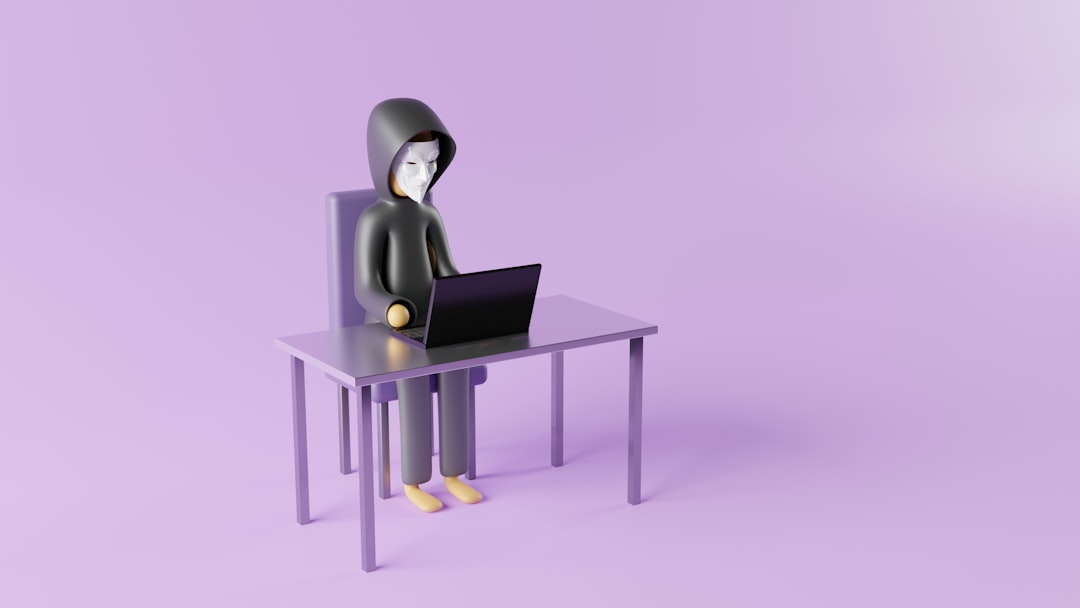
Here’s the thing. You are 16 to 25. You are in the trenches of figuring out tuition, roommates who leave dishes in the sink, first jobs where your boss doesn’t respect your time, and dating apps where the guy seems perfect until he’s not. And in the middle of all that chaos, you are handing over pieces of yourself every single day without even realizing it. Your data privacy is not just about hackers in hoodies stealing credit cards. It’s about who gets to see your location, your search history, your private messages, and your deepest insecurities. And girl, it matters more than you think.
So grab your iced coffee, get comfortable, and let’s have a FaceTime-style chat about what every woman should know about data privacy. I promise I’m not going to make you feel dumb. I’m going to make you feel like you finally have the cheat codes.
Why Should You Even Care About Data Privacy?
I know what you’re thinking. “I’m not a celebrity. I don’t have anything to hide. Who cares if some company knows I like Taylor Swift and ordered pizza last night?” And I get it. That’s what I thought too when I was 19. But here’s the reality check: your data is worth more than gold to these companies. They are literally building profiles on you that include your location history, your health concerns, your relationship status, your spending habits, and even your emotional state based on what you search for at 2 AM.
Let me give you a real example. You know when you’re scrolling through Instagram and an ad pops up for that exact dress you were looking at on another site? That’s not magic. That’s your data being sold and traded between companies without your explicit permission. And the scary part? A study found that 97% of apps share your data with third-party companies. 97%! Yeah, that’s wild, right? Let that sink in.
97% of apps share your data with third parties. Let that sink in.
And here’s where it gets personal for you. If you’re applying for jobs, colleges, or scholarships, employers and admissions officers can find things you thought were private. That Twitter rant from 2018? The one where you were venting about your toxic ex? It’s still there. That TikTok dance you did in your dorm room? It’s searchable. Your data privacy directly affects your opportunities, your safety, and your peace of mind.
The Apps That Are Quietly Stealing Your Data Privacy
Okay, so let’s talk about the apps on your phone right now. I’m not going to tell you to delete everything and live in a cabin in the woods. That’s not realistic. But you need to know which apps are the biggest offenders when it comes to your data privacy.
First up: social media. Instagram, TikTok, Snapchat, Facebook — they are all collecting data on you constantly. Every like, every share, every time you watch a video for more than three seconds, every time you linger on someone’s profile. They know your sleep schedule, your emotional triggers, your insecurities, and your desires. And they sell that information to advertisers who then target you with ads that feel almost psychic.
Next: dating apps. I love that you’re putting yourself out there. But girl, dating apps are a goldmine for data brokers. You’re giving them your location, your photos, your preferences, your conversations, and sometimes even your payment info. And if the app gets hacked — which happens more than you’d think — all that information is out there. A 2023 report found that dating apps share your data with an average of 27 third-party companies. Twenty-seven.
And then there are the random apps you downloaded for one thing and never opened again. That period tracker? That calorie counter? That quiz app that told you which Disney princess you are? They are all collecting data. Some period tracking apps have been sharing users’ health data with Facebook and Google. Think about that for a second.
💡 Quick Tip
Go to your phone settings right now and check which apps have access to your location, camera, microphone, and contacts. Turn off anything that doesn’t absolutely need it. Your flashlight app does NOT need your location. Your calculator does NOT need your microphone. Start there.
The Red Flags You’re Ignoring in Your Data Privacy
Let me ask you something. When was the last time you actually read the terms and conditions before clicking “I agree”? Be honest. Never, right? Girl, same. Nobody reads that stuff. But here’s what you need to know: those documents are designed to make you give up your data privacy without realizing it.
One of the biggest red flags is when an app asks for permissions that don’t make sense. A photo editing app does not need access to your contacts. A game does not need access to your microphone. A flashlight app does not need your location. When you see those requests, that’s a sign that the app is collecting more data than it needs. And that data is being sold, shared, or stored in ways you can’t control.
Another red flag? Free apps that don’t show ads. If an app is free and doesn’t have ads, how do you think they’re making money? They’re selling your data. That’s the business model. Nothing in life is truly free, sis. If you’re not paying for the product, you are the product.
💊 What Works: NordVPN – A reliable VPN encrypts your internet traffic and hides your IP address. It’s like putting a disguise on your online activity. Essential for using public Wi-Fi at coffee shops, libraries, or campus. Think of it as a hoodie for your data.
What Actually Works to Protect Your Data Privacy
Okay, so now that I’ve scared you a little, let me give you the actual solutions. Because I’m not here to make you paranoid. I’m here to make you powerful. And knowledge is power when it comes to data privacy.
First: use a password manager. I know, I know. You have 47 different accounts and you use the same password for all of them because remembering 47 passwords is impossible. But girl, that is the number one way your accounts get hacked. If one site gets breached, hackers have access to your email, your bank, your Instagram, your school portal — everything. A password manager like LastPass, 1Password, or Bitwarden generates strong, unique passwords for every account and stores them securely. You only have to remember one master password. That’s it.
Second: enable two-factor authentication (2FA) on everything that offers it. Yes, it’s an extra step. Yes, it’s annoying when you’re in a hurry. But it’s the difference between someone stealing your account and them being locked out. Use an authenticator app like Google Authenticator or Authy instead of SMS text messages, because SIM swapping is real and it’s terrifying.
Third: be smart about what you share on social media. That photo of your boarding pass? Someone can scan the barcode and get your personal information. That post about your new apartment? Now everyone knows where you live. That story about being home alone for the weekend? Not the best idea. Your data privacy starts with what you choose to put out there.
Your data is worth more than your tuition. Protect it like it is.
Fourth: use a VPN when you’re on public Wi-Fi. Whether you’re at Starbucks, the library, your campus quad, or an airport, public Wi-Fi networks are not secure. Anyone on the same network can potentially see what you’re doing. A VPN encrypts your connection, making it nearly impossible for anyone to intercept your data. It’s a small investment for massive peace of mind.
Fifth: regularly review your privacy settings on every platform you use. Instagram, TikTok, Snapchat, Google, Facebook, LinkedIn — they all have privacy settings that you can adjust. Turn off location sharing when you’re not using the app. Turn off ad personalization if you don’t want them tracking your interests. Use private accounts for personal content. And every few months, do a privacy audit. It takes 15 minutes and it’s worth it.
The Truth Nobody Tells You About Data Privacy
Here’s the thing they don’t teach you in school. Your data privacy is not just about protecting yourself from strangers. It’s about protecting yourself from the people closest to you. I’m talking about toxic exes who might try to track you. I’m talking about family members who overstep boundaries. I’m talking about roommates who might snoop through your phone. I’m talking about employers who might judge you based on what you post.
And let’s be real for a second. If you’re in a situation where you need to hide your online activity from an abusive partner or controlling family member, data privacy becomes a safety issue, not just a convenience issue. There are resources like the National Domestic Violence Hotline that can help you create a safety plan for your digital life. You deserve to be safe, and that includes online.
“The most dangerous thing you can do online is assume nobody is watching. The most powerful thing you can do is take control.”
Another truth nobody tells you? Data privacy is a form of self-care. Think about it. When you protect your data, you’re protecting your mental health. You’re not giving algorithms the power to manipulate your emotions. You’re not letting advertisers exploit your insecurities. You’re not leaving digital breadcrumbs that can come back to haunt you. You’re taking control of your own narrative. And that feels damn good.
How to Talk to Your Friends About Data Privacy
Okay, so now you know all this. But what about your friends? Your roommate who posts her location every single day? Your bestie who uses the same password for everything? Your little sister who is obsessed with TikTok and doesn’t understand why privacy matters?
I’m not saying you need to become the data privacy police. But you can plant seeds. Share this article with them. Say something like “Hey, I just learned something wild about data privacy and it made me think of you.” Don’t be preachy. Just be real. Offer to help them set up 2FA or review their privacy settings. Make it a bonding thing, not a lecture.
And if they don’t want to listen? That’s okay. You can’t control everyone. But you can control yourself. And you can be the example. When they see you being smart about your data privacy, they might start asking questions. Lead by example, sis.
Why This Works:
✅ You feel empowered instead of scared — knowledge is armor
✅ You save yourself from identity theft, stalking, and embarrassing leaks
✅ You take control of your own narrative — nobody gets to define you but you
This is the kind of stuff women talk about inside TechMae every single day. No judgment, just real ones keeping it real. We talk about everything from data privacy to dealing with toxic friends to figuring out your first budget to navigating dating apps without losing your mind. It’s a community of women who are tired of pretending they have it all figured out and ready to figure it out together.
Related: This post is a must-read for women on their journey.
Start Here: Your Data Privacy Action Plan
I know this is a lot. But you don’t have to do everything at once. Here’s your one action to take TODAY that will make a huge difference:
Go to your phone settings and review your app permissions. Seriously. Right now. Open your settings, go to Privacy, and look at which apps have access to your location, camera, microphone, photos, and contacts. Turn off anything that doesn’t make sense. A game does not need your microphone. A photo editor does not need your contacts. A shopping app does not need your location when you’re not using it.
That one action will immediately reduce the amount of data being collected about you. It takes five minutes and it’s free. Then, over the next week, do one more thing: enable two-factor authentication on your email, your bank, and your social media accounts. That’s it. Start small. Build from there.
You might also love this article – one of our most shared.
This Is Your Sign to Stop Doing It Alone
Women inside TechMae have been exactly where you are. Come find your people.