
Okay, sis. Let’s talk about something that nobody actually tells you about until you are already in the thick of it. You have been scrolling TikTok, seeing the memes about SSRIs, maybe your roommate is on them, maybe your best friend just started, or maybe you are sitting with that prescription bottle on your nightstand right now, too scared to open it. I see you.
Here is the truth: nobody tells you what antidepressants actually feel like. Not the pamphlet from the pharmacy, not your doctor who spent seven minutes with you, not the influencer who says “my medication saved my life” in a perfectly lit GRWM video. They leave out the messy middle. The first two weeks. The side effects nobody warns you about. The fact that feeling better might actually feel *weird* at first.
So pull up a chair, put your phone on Do Not Disturb, and let me break this down for you like the big sister you deserve.
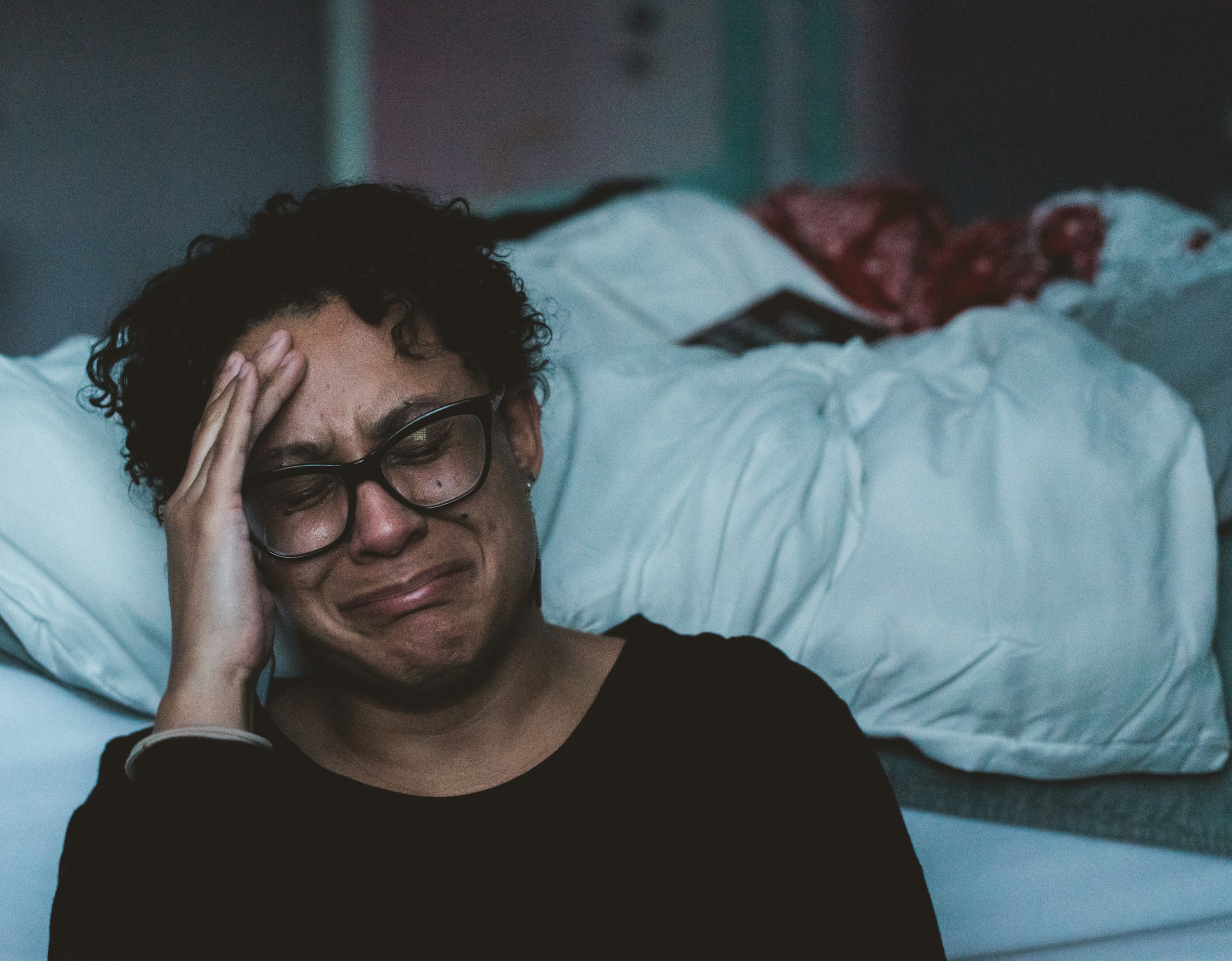
“The first week on antidepressants, I didn’t feel happy. I felt nothing. And that terrified me more than the sadness did.”
What Nobody Tells You About the First Two Weeks on Antidepressants
Listen. The first thing nobody tells you about antidepressants is that the first two weeks can feel like a fever dream. Your doctor probably said “give it time to work” and left it at that. But what that actually means is: you might feel worse before you feel better. And that is normal. That is your brain chemistry recalibrating.
I am not saying this to scare you. I am saying this so you do not quit on day four because you feel like a zombie. So many young women stop taking their antidepressants because nobody warned them about the adjustment period. They think the medication is “not working” when really, their brain is just figuring out how to use this new tool.
Here is what actually happens in those first two weeks: you might get headaches. You might feel nauseous. Your sleep schedule might go absolutely haywire — either you cannot sleep at all or you cannot wake up. Some people get what is called “activation” where they feel jittery and anxious. Others feel emotionally flat, like someone turned down the volume on everything.
💡 Quick Tip
Take your antidepressants with food. Seriously. Even if the bottle says you can take it on an empty stomach, having a banana or some toast can save you from that awful nausea. And take it at the EXACT same time every day. Set an alarm. Your brain chemistry loves consistency more than your ex ever did.
The really wild part? Most antidepressants take 4 to 6 weeks to reach full effectiveness. That is a whole month of waiting while your body adjusts. And in that month, you are still showing up to class, dealing with your roommate who leaves dishes in the sink, studying for midterms, and trying to keep your social life together. It is a lot. Give yourself grace.
The Side Effects Nobody Talks About (But Everyone Experiences)
Okay, girl. We need to talk about the stuff that is not in the commercial. The commercial shows a woman smiling while walking through a field of flowers. It does not show you sitting on the bathroom floor at 2 AM wondering why your jaw is clenching so hard it hurts.
Here are the side effects of antidepressants that actually happen to young women our age:
1. The jaw clenching and teeth grinding. This is SO common with SSRIs like Zoloft and Lexapro. You might wake up with your jaw sore or find yourself clenching during the day without realizing it. Your dentist will notice before you do. Get a mouthguard if you need one — your jaw will thank you.
2. The sleep changes. Some antidepressants make you drowsy. Some make you wired. Some do both depending on the day. If you are in college and already running on 5 hours of sleep, this can mess with your entire schedule. Talk to your doctor about whether you should take it in the morning or at night.
3. The sexual side effects. I am going to be real with you because your big sister should be. Antidepressants can lower your libido, make it hard to orgasm, or decrease sensation. This is one of the most common reasons young women stop taking them. But here is the thing: there are workarounds. Different medications have different side effect profiles. Bupropion (Wellbutrin) is known for having fewer sexual side effects. Talk to your doctor. Do not just suffer in silence.
4. The emotional blunting. This one is tricky. You might notice that you do not cry as easily. But you also might not laugh as hard. Some women say they feel “numb” instead of “sad.” If that happens to you, tell your doctor. Sometimes a dosage adjustment or a different medication can help you feel the good emotions without being overwhelmed by the bad ones.
1 in 6 women in the US take antidepressants. You are not broken. You are not alone. You are part of a massive sisterhood.
What Actually Works: Making Antidepressants Work FOR You
Here is the thing about antidepressants that nobody tells you: they are not a magic pill. They are a tool. And tools work best when you use them correctly. Think of antidepressants like a pair of glasses. If your prescription is wrong, the glasses do not work. If you only wear them sometimes, your eyes get strained. If you never clean them, everything looks foggy.
So how do you actually make antidepressants work for your life? Here is the playbook:
Track your symptoms. Download a free mood tracker app or use the notes app on your phone. Every day, rate your mood from 1 to 10 and write down any side effects. This gives you actual data to bring to your doctor instead of just saying “I think I feel better.” You will notice patterns — like how you feel worse on day 3 after missing a dose, or how your mood dips right before your period.
Pair medication with therapy. This is the golden combo. Antidepressants can lift the fog enough that you can actually do the work in therapy. Without the medication, the depression might be too heavy to even get to your appointment. Without therapy, the medication just masks the symptoms without teaching you coping skills. You need both.
Be honest with your doctor. I know it is awkward to talk about your sex drive or your bowel movements or the fact that you keep falling asleep in class. But your doctor has heard it all. They are not judging you. They need the full picture to adjust your dosage or switch your medication. You are paying them for a service — use it.
💊 What Works: Pill Organizer with Timers – This thing has saved so many women from accidentally double-dosing or forgetting entirely. It has a timer that shows you how long it has been since your last dose. Game changer for anyone on antidepressants.
The Truth Nobody Tells You About Coming Off Antidepressants
Okay, this is the part that really makes me angry that nobody talks about. The withdrawal. The “discontinuation syndrome.” The fact that if you stop taking antidepressants cold turkey — whether because you forgot to refill your prescription, or you lost your insurance, or you just decided you “feel better now” — you can experience some of the most intense symptoms of your life.
We are talking brain zaps. Have you heard of brain zaps? They feel like a little electrical jolt in your head, like someone is flicking a light switch inside your brain. They can happen when you turn your head too fast or when you are falling asleep. They are not dangerous, but they are deeply unsettling.
Other withdrawal symptoms include: dizziness, nausea, extreme irritability, vivid nightmares, and what they call “emotional lability” which is a fancy way of saying you will cry at a commercial for toilet paper.
The fix? You have to taper. Slowly. Under a doctor’s supervision. Sometimes over the course of months. I know you want to be done with medication. I know you want to prove to yourself that you are “healed.” But quitting antidepressants abruptly is not a flex. It is a recipe for a really bad two weeks.
“I thought I was ‘cured’ after six months on antidepressants. I stopped taking them without telling my doctor. Three weeks later, I was in the worst depressive episode of my life. The medication was never the enemy — my impatience was.”
Antidepressants and Your Body: The Stuff They Do Not Put in the Brochure
Let me get specific about what antidepressants actually do to your body as a young woman. Because your body is not the same as a 45-year-old man’s body. You are dealing with hormones, birth control, menstrual cycles, and possibly an eating disorder history or body image struggles.
Weight changes. Some antidepressants can cause weight gain. Some cause weight loss. Some have no effect. This is a legitimate concern, especially when you are already dealing with body image pressure from social media and your friends who seem to exist on iced coffee and vibes. If weight gain is a dealbreaker for you, ask your doctor about medications like bupropion (Wellbutrin) which is weight-neutral or even associated with mild weight loss.
Birth control interactions. This is huge and almost nobody talks about it. Some antidepressants can interact with hormonal birth control, making it less effective. Other times, your birth control can affect how your body processes the antidepressant. If you are sexually active and on the pill, the patch, or the ring, you NEED to ask your doctor about this. Do not assume it is fine.
Your period. Antidepressants can change your menstrual cycle. You might get your period earlier or later. You might have heavier bleeding or lighter bleeding. Your PMS symptoms might change. This is normal, but it is worth tracking so you do not panic when your period shows up a week early.
Why This Matters for YOU:
✅ You deserve to know how your medication affects your whole body, not just your brain
✅ You can advocate for yourself at the doctor’s office instead of just accepting whatever they give you
✅ You can make informed decisions about your mental health without fear of the unknown
How to Afford Antidepressants When You Are Broke
Let’s talk money, because I know you are dealing with tuition, rent, and the price of groceries going up. Antidepressants should not be a luxury. But the healthcare system in this country makes it feel that way sometimes.
Here is the real tea: most antidepressants have generic versions that cost way less. The brand name might be $300, but the generic is $10 with a GoodRx coupon. If your doctor writes a prescription for the brand name, ask them to write it for the generic instead. You can also use apps like GoodRx or SingleCare to compare prices at different pharmacies near you. Sometimes Walmart is $4 and CVS is $50 for the exact same medication.
If you are in college, check your student health center. Many colleges offer mental health services and prescriptions at a steep discount or even free. If you are on your parents’ insurance, check if their plan covers mental health prescriptions. If you are uninsured, look into patient assistance programs from the drug manufacturers themselves — yes, those exist, and yes, you can apply.
And if you cannot afford your medication right now, do not just stop taking it. Call your doctor’s office and explain the situation. They can often give you samples, switch you to a cheaper medication, or connect you with a social worker who can help.
| Stopping Antidepressants Cold Turkey | Tapering Off with Medical Support |
|---|---|
| ❌ Brain zaps, dizziness, nausea, emotional breakdown | ✅ Gradual reduction, minimal side effects, safety net |
| ❌ High risk of relapse into depression or anxiety | ✅ Lower relapse rate, sustainable recovery |
| ❌ You are alone in the process | ✅ Your doctor checks in and adjusts as needed |
The Emotional Side: What It Feels Like When Antidepressants Actually Start Working
Nobody prepared me for this part. When antidepressants actually start working, it is not like a light switch. It is not like the clouds part and angels sing. It is quieter than that. More subtle. You might not even notice it at first.
One day, you realize you got out of bed and made breakfast without it feeling like climbing a mountain. Another day, you notice you laughed at a text from your friend — actually laughed, not just faked it. You start responding to messages instead of letting them sit for three weeks. You take a shower without having to mentally prepare for it for an hour.
That is what healing looks like on antidepressants. It is not dramatic. It is the small things coming back. And that can actually feel scary, because you have been depressed for so long that you forgot what “okay” feels like. You might even feel guilty for feeling better, like you do not deserve it. That is normal too.
Let yourself feel the relief. You have been carrying something heavy for a long time. You are allowed to put it down.
Start Here: One Thing You Can Do Today
If you are reading this and thinking “okay, I need to do something about my mental health but I do not know where to start,” here is your one action step for today:
Write down three questions to ask your doctor at your next appointment. Not “is this normal” — get specific. Ask: “If I experience jaw clenching, what do I do?” Ask: “How do I know if this dosage is right for me?” Ask: “What is the plan if I want to stop taking this medication in the future?”
Having questions written down changes the entire dynamic. You are not a passive patient. You are a woman taking charge of her own brain chemistry. That is power.
Your Antidepressant Toolkit:
✅ A mood tracking app (Daylio or Bearable are great)
✅ A pill organizer with a timer so you never miss a dose
✅ A list of questions for your next doctor’s appointment
✅ A GoodRx account to check prescription prices
✅ One person you trust who knows you are on medication
You might also love this article — one of our most shared. It is about finding your people when you feel like no one gets what you are going through.
This is the kind of stuff women talk about inside TechMae every single day. No judgment, just real ones keeping it real. The conversations about antidepressants, about therapy, about the weird side effects nobody warns you about, about the guilt of feeling better — it all happens there.
This Is Your Sign to Stop Doing It Alone
Women inside TechMae have been exactly where you are. They have been on antidepressants, they have been scared to start, they have been through the side effects, and they came out the other side. Come find your people.
You are not behind. You are not broken. You are not the only one who is scared to take that first pill or nervous about telling your roommate or unsure if this is the right choice for you. Antidepressants are not a moral failing. They are not a shortcut. They are a tool, just like therapy, just like exercise, just like having a good support system.
And here is the thing nobody tells you that I am going to tell you right now: the fact that you are even reading this, the fact that you are considering getting help or learning more or supporting a friend — that already makes you stronger than you think. You are showing up for yourself. That is the whole game.
Now go drink some water, take your meds if you have them, and text a friend to check in. You have got this. I am so proud of you.