
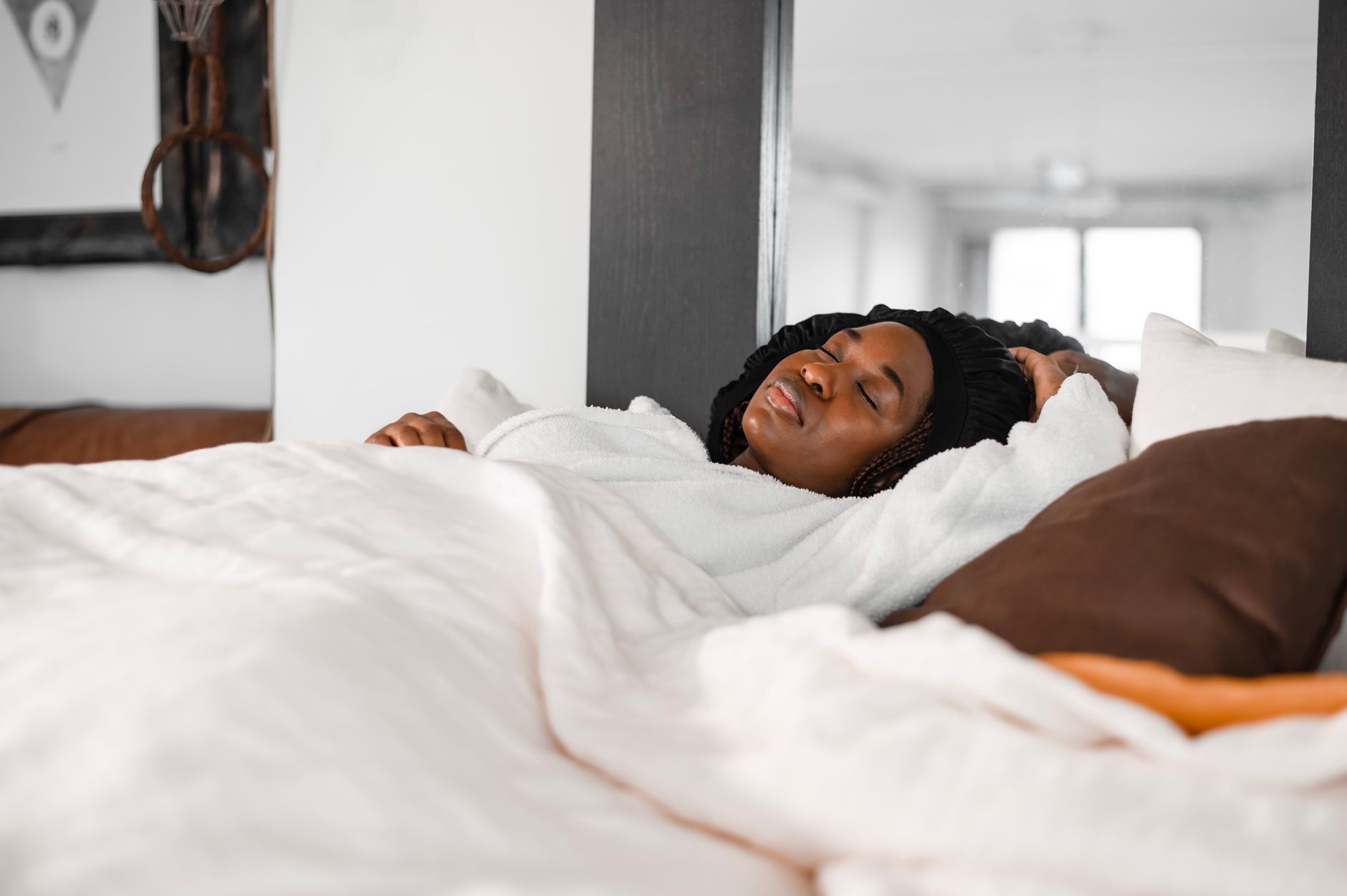
“You don’t need more discipline in the morning. You need to stop fighting your own biology with a sound that scares you awake.”
Listen, I used to wake up angry every single day. Not at anyone in particular — just at the sound of that default iPhone alarm that feels like a fire drill in your nervous system. Then I switched to a sunrise alarm and I’m not being dramatic when I say it changed my whole morning.
If you’re the girl who sets seven alarms, snoozes through six, and still starts the day feeling like she got hit by a truck — this one’s for you. We’re going to talk about why your alarm clock is actually working against you, and how a sunrise alarm fixes the grogginess you’ve been blaming on “not being a morning person.”
Because here’s the truth: you’re not lazy. Your alarm is just rude.
Why You Wake Up Feeling Like Garbage (It’s Not You)
When your phone blasts a jarring sound at 6:30am, your body goes into fight-or-flight mode. Your heart rate spikes, cortisol floods your system, and your brain basically screams “DANGER” before you’ve even opened your eyes. That’s why you feel anxious and foggy instead of rested.
A sunrise alarm works differently. Instead of jolting you awake with sound, it gradually brightens the room over 20-30 minutes — simulating an actual sunrise. Your body reads that light as a signal to slowly reduce melatonin (the sleep hormone) and ease into wakefulness. It’s how humans were designed to wake up before we invented the snooze button.
The difference is wild. Instead of being yanked out of deep sleep, you’re gently pulled toward the surface. You wake up feeling like a person instead of a zombie who needs three coffees just to form sentences.
💡 Quick Tip
Before you buy anything, try this free hack: set your phone to “bedtime mode” with a gradual screen brightening alarm, or crack your blinds so natural light hits your face in the morning. It’s not the same as a sunrise alarm, but it’s a start while you research your options.
What a Sunrise Alarm Actually Does (And Why It Works)
A sunrise alarm — sometimes called a wake-up light — is a lamp that gradually brightens over a set period before your alarm time. Many models also have a “sunset” feature that slowly dims at night to help you wind down. Some play gentle nature sounds, some have FM radio, and the good ones let you customize the light color and brightness.
Here’s what happens in your body: that gradual light exposure tells your brain to stop producing melatonin and start producing cortisol in a healthy, controlled way. You’re not being shocked awake — you’re being eased into the day. The result? Less grogginess, better mood, and actually feeling like you slept.
And if you’re someone who works late, has kids, or just has a brain that won’t shut off at night — this matters. You’re already fighting for enough sleep. The least you can do is make the waking-up part less brutal.
75% of people say they wake up groggy at least 3 days a week
Yeah, that’s wild, right? Three days out of seven you’re starting your day already behind. That’s not a discipline problem — that’s a system problem. And the good news is, systems can be fixed.
💊 What Works: this top-rated pick – This sunrise alarm clock has a 30-minute gradual wake-up light, sunset simulation for winding down, and multiple natural sound options. It’s the one I recommend to every woman who tells me she “just can’t do mornings.”
What Actually Works (And What’s Just Hype)
Not all sunrise alarms are created equal, and I don’t want you wasting money on something that’s basically a glorified nightlight. Here’s what to look for:
1. Gradual brightening over at least 20-30 minutes. If it jumps from dark to bright in 5 minutes, that’s not a sunrise — that’s a flashbang. You want a slow, natural progression.
2. Adjustable brightness levels. Some people need full brightness to wake up; others just need a soft glow. You want options so you can find what works for your body.
3. Multiple wake-up sounds. Nature sounds, gentle chimes, or even soft music work better than a beeping alarm. Bonus points if you can set the volume to start low and gradually increase.
4. A sunset feature. This is underrated. A sunrise alarm that also helps you wind down at night is doing double duty. You get a calming light to signal “time to sleep” instead of doom-scrolling in the dark.
5. Backup battery or power backup. Because the one morning your power goes out is the one morning you have an important meeting. Don’t let it happen to you.
Why This Works:
✅ Gradual light exposure reduces morning grogginess
✅ Simulates natural sunrise to regulate your circadian rhythm
✅ Sunset feature helps you wind down and sleep better
✅ No more fight-or-flight wake-ups from harsh phone alarms
The Truth Nobody Tells You About Morning Grogginess
Here’s the insider tip that changed everything for me: your grogginess isn’t just about how much sleep you got — it’s about when you wake up in your sleep cycle. If your alarm goes off while you’re in deep sleep, you’re going to feel terrible no matter how many hours you logged.
A sunrise alarm helps because the light gently pulls you out of deep sleep before the sound alarm even goes off. By the time the audio kicks in, you’re already in a lighter sleep stage — which means you wake up feeling human instead of like you’ve been drugged.
“The goal isn’t to wake up earlier. It’s to wake up better — and a sunrise alarm is the cheat code nobody told you about.”
Also, and I need you to hear this: you don’t have to become a 5am gym girl to benefit from a sunrise alarm. You can wake up at 8am, 9am, whenever your life actually requires — and still feel the difference. This isn’t about hustle culture. It’s about not starting every day in a fog.
And if you’re someone who works night shifts or has an irregular schedule, a sunrise alarm can help you create a consistent wake-up routine even when your hours are all over the place. Your body craves rhythm — give it one thing it can count on.
How to Actually Use a Sunrise Alarm (Without Overcomplicating It)
You don’t need to read a manual or watch a YouTube tutorial. Here’s the simple version:
Step 1: Set your sunrise alarm to start brightening 30 minutes before you actually need to be up. If you need to be out of bed by 7am, the light starts at 6:30am and the sound alarm goes off at 7am.
Step 2: Put it across the room or on your nightstand — but not under a pillow or behind a curtain. The light needs to reach your face (even through closed eyelids) to do its job.
Step 3: Give it a week. Your body needs time to adjust to the new wake-up method. The first few days might feel weird, but by day 5-7 you’ll notice the difference.
Step 4: Use the sunset feature at night. Set it to dim over 30-60 minutes before bed. It’s a gentle cue to your brain that it’s time to wind down — way better than scrolling TikTok until your eyes burn.
💡 Quick Tip
Pair your sunrise alarm with a consistent bedtime — even on weekends. Your circadian rhythm thrives on consistency, and the light therapy works best when your body knows what to expect.
Sunrise Alarm vs. Regular Alarm: The Real Difference
| Regular Phone Alarm | Sunrise Alarm |
|---|---|
| ❌ Jolts you awake with sudden sound | ✅ Gradually wakes you with light |
| ❌ Triggers fight-or-flight response | ✅ Supports natural cortisol rhythm |
| ❌ Leaves you groggy and irritable | ✅ Helps you wake up feeling rested |
| ❌ No wind-down support at night | ✅ Sunset feature helps you fall asleep |
This is the kind of stuff women talk about inside TechMae every single day. No judgment, just real ones keeping it real.
Related: This post is a must-read for women on their journey.
Start Here
If you’re ready to stop dreading your alarm and start waking up like a person who actually slept, here’s your one action step: order a sunrise alarm today.
Don’t overthink it. Don’t spend three weeks reading reviews. Pick one with the features I listed above, set it up, and give it a week. That’s it.
Your Morning Upgrade Checklist:
✅ Order a sunrise alarm with gradual brightening (20-30 min)
✅ Set it up across the room from your bed
✅ Set the light to start 30 minutes before your wake-up time
✅ Use the sunset feature at night for better sleep
✅ Give it 7 days before you decide if it works
You might also love this article – one of our most shared.
And listen — if you’ve been struggling with mornings for years and just accepted that you’re “not a morning person,” I need you to know: you might just be using the wrong tools. A sunrise alarm isn’t a magic fix for everything, but it’s a real, science-backed upgrade that costs less than a few coffee runs.
You deserve to wake up feeling like yourself. Not foggy, not irritable, not already exhausted before the day starts. Try the sunrise alarm. Give your body what it actually needs.
This Is Your Sign to Stop Doing It Alone
Women inside TechMae have been exactly where you are. Come find your people.